
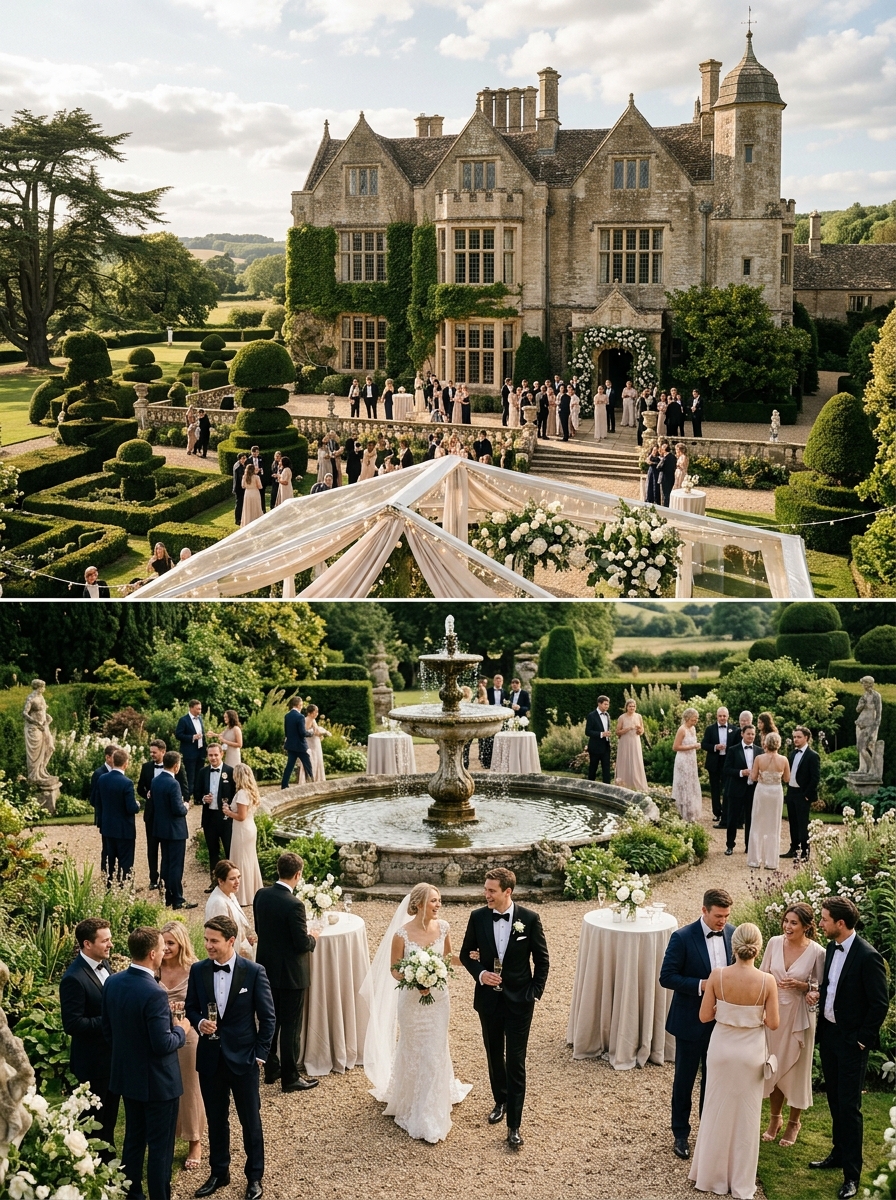
Old money weddings are not about extravagance for the sake of display—they are about restraint, heritage, and an effortless kind of elegance that feels as though it has existed for generations. Rooted in tradition and understated luxury, the “old money” aesthetic reflects a world where quality speaks louder than quantity, and where timelessness always wins over trends. When translated into wedding design, this philosophy creates celebrations that feel refined, deeply personal, and eternally beautiful.
At its core, an old money wedding is about intentionality. Every detail, from the invitation paper to the final farewell, is carefully considered, yet never feels overworked. The result is a wedding that exudes quiet confidence—never flashy, never excessive, but undeniably luxurious.
The Essence of Old Money Elegance
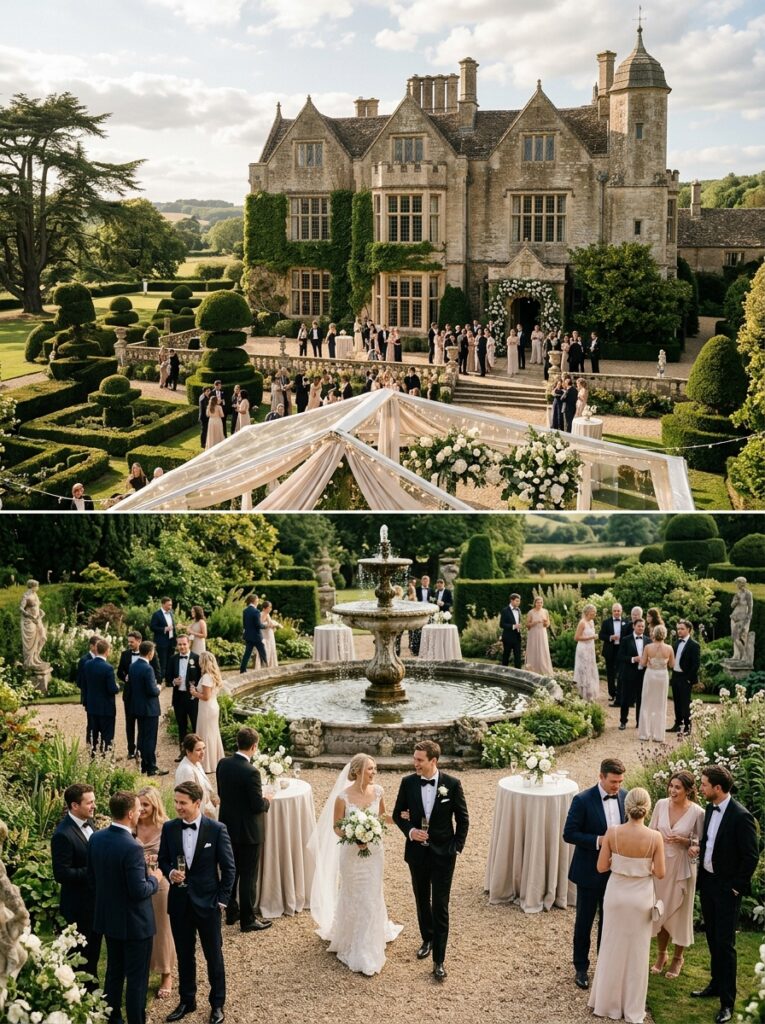
To understand old money wedding ideas, it helps to grasp the mindset behind them. This style draws inspiration from generational wealth, historic estates, and classic European and American traditions. Think of sprawling countryside manors, ivy-covered stone walls, antique silver, and heirloom china. The atmosphere is refined but warm, formal yet inviting.
The focus is on craftsmanship, heritage, and longevity. Instead of chasing fleeting trends, old money weddings embrace elements that have stood the test of time: fine fabrics, muted tones, and impeccable etiquette. The goal is not to impress strangers, but to create a meaningful experience for loved ones.
Choosing the Perfect Venue
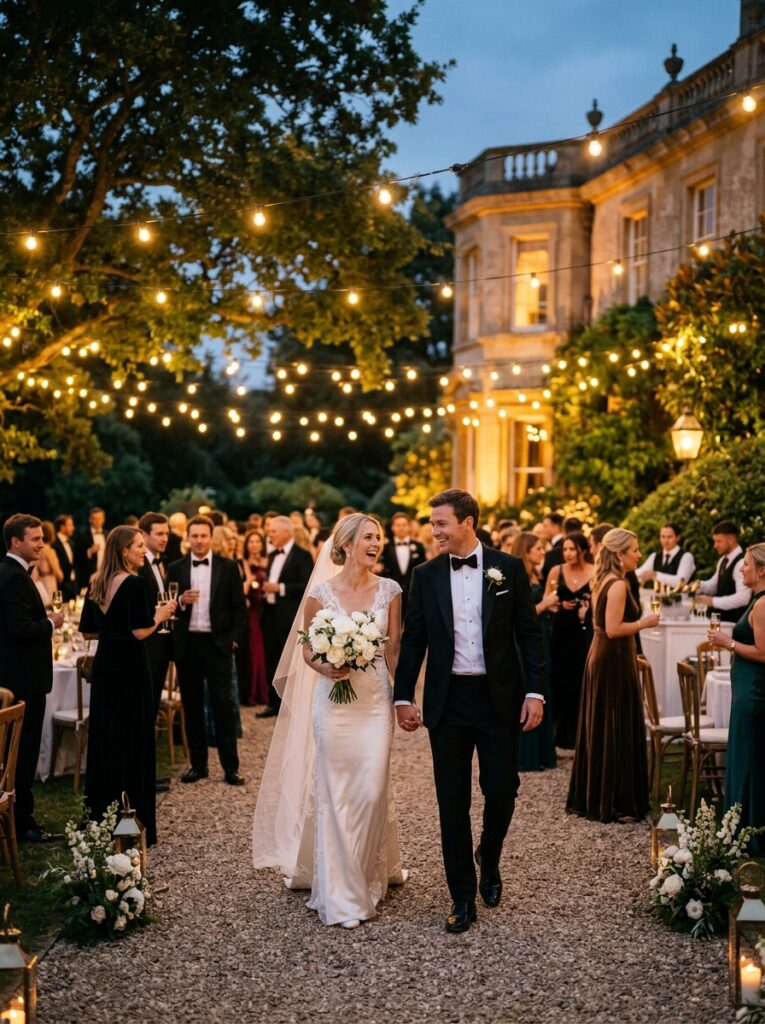
The venue sets the tone for an old money wedding. Rather than modern ballrooms or ultra-trendy spaces, the ideal setting is steeped in history and character. Grand estates, historic mansions, countryside villas, and heritage hotels are perfect choices. Gardens with manicured hedges, fountains, and ancient trees provide a naturally elegant backdrop.
A coastal estate with sweeping ocean views can also embody this aesthetic, especially when paired with classic nautical touches. Alternatively, a traditional church ceremony followed by a reception in a private club or ancestral home captures the essence beautifully.
The key is authenticity. The venue should feel like it has a story—somewhere that doesn’t need excessive decoration because its architecture and surroundings already carry a sense of grandeur.
Invitations: The First Impression
Old money weddings begin long before the ceremony, and invitations play a crucial role in setting expectations. This is where quality truly shines. Thick cotton or handmade paper, letterpress printing, and classic serif typography are essential elements.
Color palettes are typically soft and refined—ivory, cream, pale gray, or soft blush. Envelopes may feature hand-calligraphy or engraved monograms. Wax seals, silk ribbons, and vellum overlays add subtle luxury without appearing ostentatious.
Rather than overly elaborate designs, the focus is on simplicity and precision. A beautifully worded invitation with impeccable grammar and traditional phrasing instantly conveys sophistication.
A Timeless Color Palette
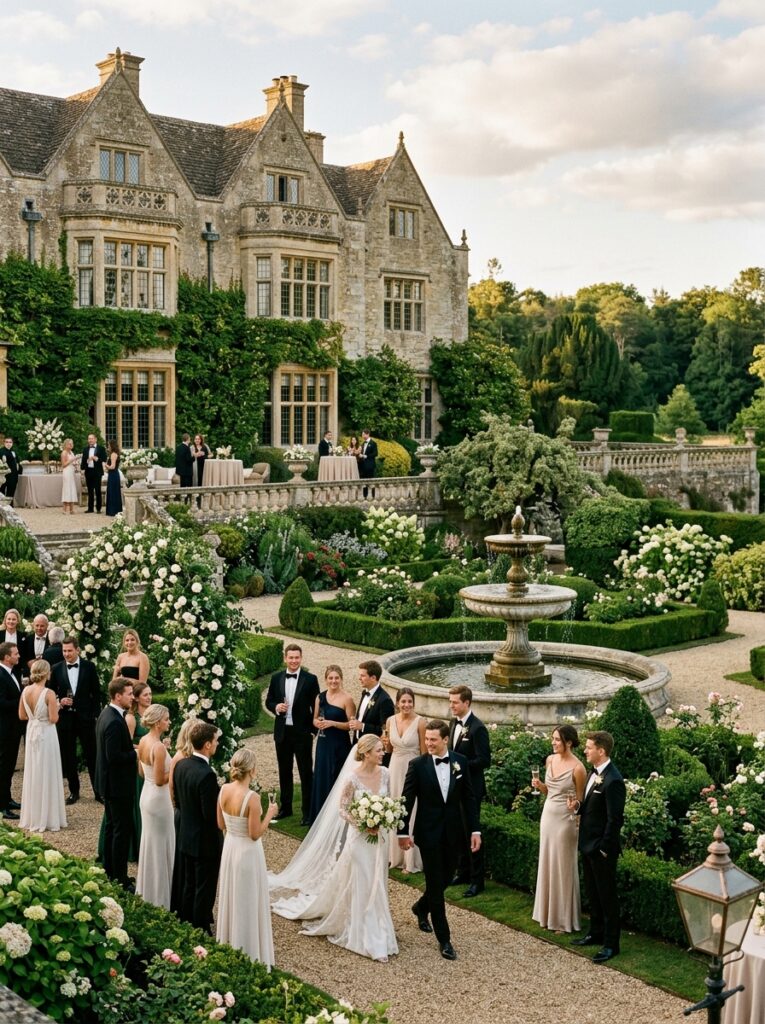
Old money weddings avoid bold, trendy color combinations in favor of muted, harmonious tones. Think champagne, ivory, sage green, dusty blue, taupe, and soft gold. These shades create a calm and elegant atmosphere that photographs beautifully and never feels dated.
Monochromatic palettes are particularly effective. For example, an all-ivory wedding with subtle variations in texture—linen, silk, lace, and florals—can feel incredibly rich without relying on color contrast.
Seasonal influences can guide the palette as well. Spring weddings may incorporate soft pastels, while autumn celebrations might feature deeper neutrals like caramel and olive. Regardless of the season, the colors remain understated and cohesive.
Bridal Fashion: Understated Glamour
The bride’s attire is one of the most defining elements of an old money wedding. The dress should be timeless, elegant, and impeccably tailored. Silhouettes are often classic—A-line, sheath, or ballgown—with clean lines and minimal embellishment.
Luxurious fabrics such as silk, satin, and lace take center stage. Details like covered buttons, long sleeves, and delicate embroidery add refinement without excess. A cathedral-length veil or a lace-trimmed veil enhances the sense of tradition.
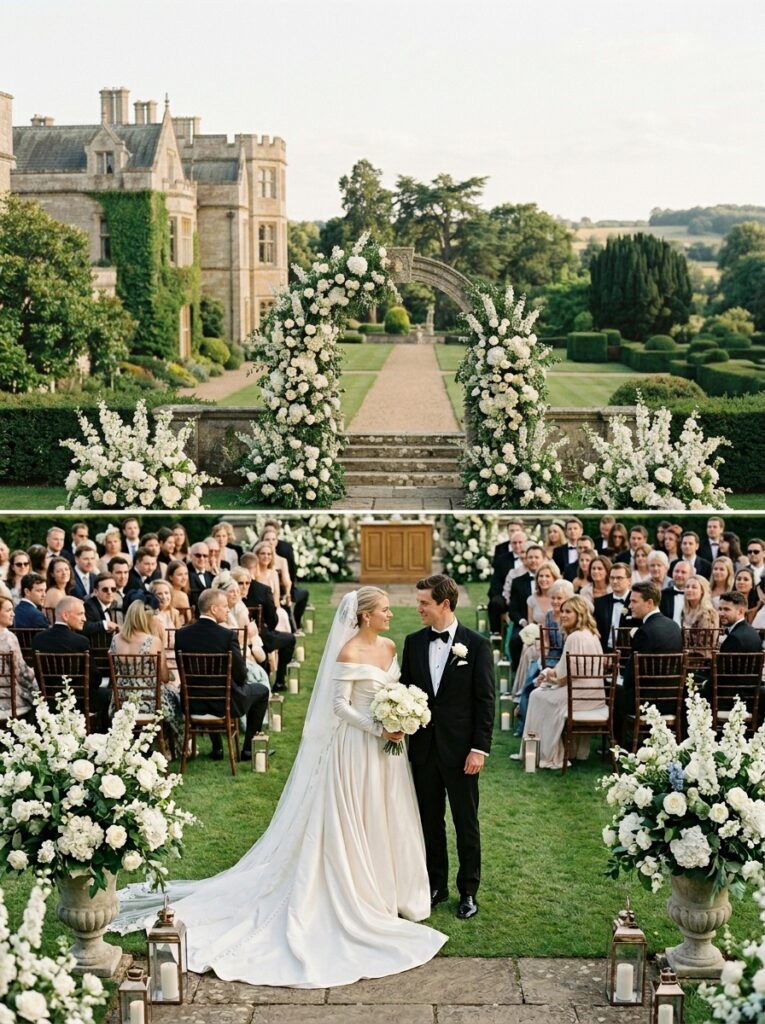
Accessories are kept minimal and meaningful. Heirloom jewelry, such as a family necklace or vintage earrings, adds sentimental value. Shoes are elegant and simple, often in ivory or soft metallic tones.
Hair and makeup follow the same philosophy—natural, polished, and timeless. Soft waves, low buns, or sleek chignons paired with glowing, understated makeup complete the look.
Groom and Bridal Party Attire
The groom’s attire should complement the bride’s elegance. A classic black tuxedo or a well-tailored morning suit is ideal. Crisp white shirts, silk ties or bow ties, and polished shoes complete the ensemble.
For daytime or countryside weddings, lighter suits in gray or navy can work beautifully. The emphasis is always on fit and quality rather than trend.
Bridesmaids’ dresses are typically coordinated but not overly uniform. Soft, muted tones and classic silhouettes ensure a cohesive yet relaxed appearance. Groomsmen follow a similar approach, with subtle variations in ties or pocket squares.
Floral Design: Natural and Refined
Florals in an old money wedding should feel abundant yet effortless. Arrangements often feature classic blooms such as roses, peonies, hydrangeas, and ranunculus. Greenery plays an important role, adding texture and depth.
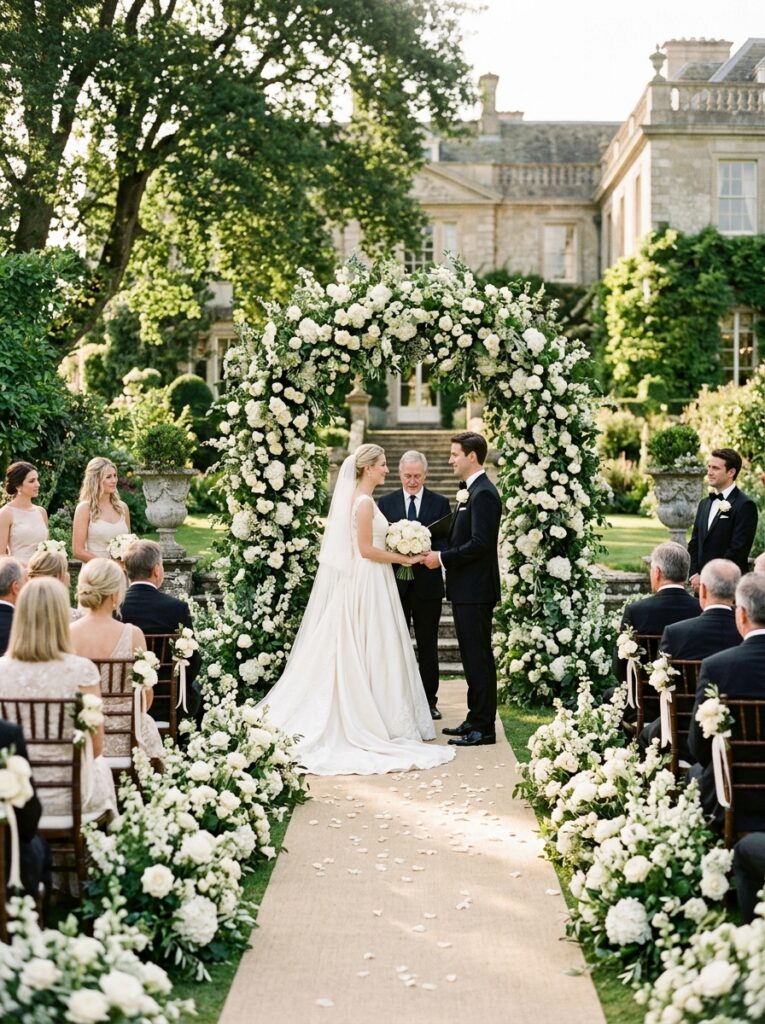
The style leans toward natural, garden-inspired arrangements rather than overly structured designs. Centerpieces may include low arrangements in antique vases, while ceremony spaces can be adorned with floral arches or aisle arrangements that blend seamlessly with the surroundings.
Color palettes remain soft and cohesive, often incorporating whites, creams, and gentle pastels. The goal is to enhance the environment, not overpower it.
Table Settings and Décor
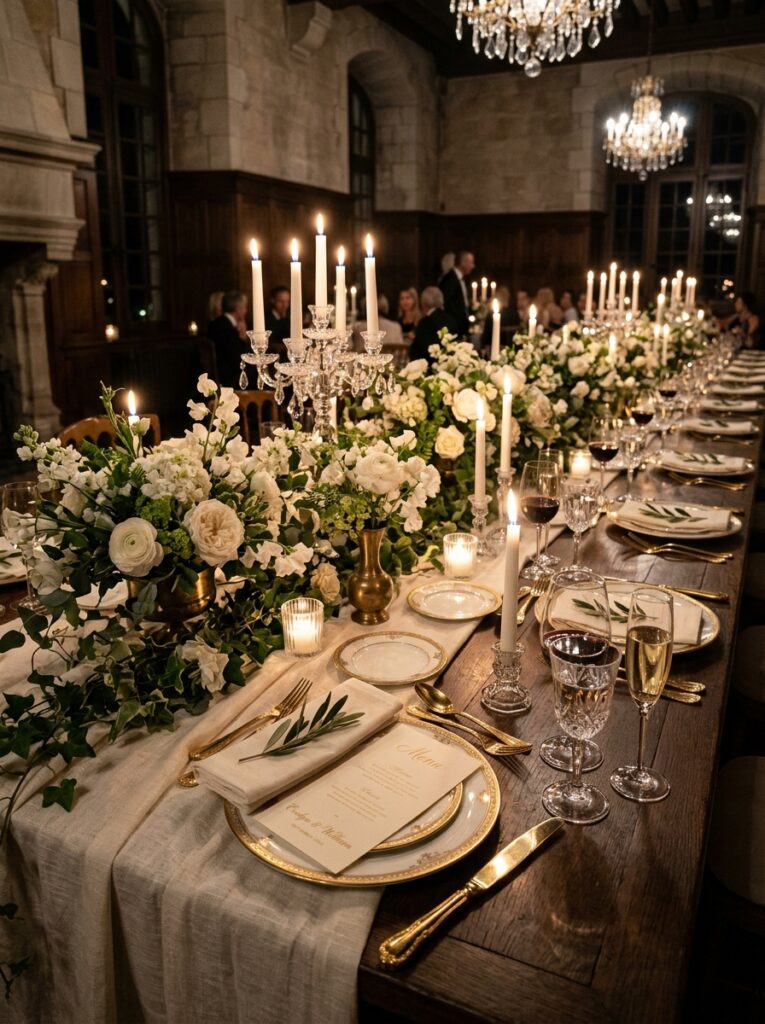
Table settings are where old money elegance truly shines. Fine china, crystal glassware, and polished silverware create a sense of timeless sophistication. Linen tablecloths and napkins, often in neutral tones, add texture and warmth.
Place settings may include handwritten place cards or simple printed cards in classic fonts. Napkin folds are elegant and traditional, sometimes adorned with a sprig of greenery or a small ribbon.
Centerpieces are refined and balanced, often paired with taper candles in brass or silver holders. The soft glow of candlelight adds an intimate and luxurious ambiance.
Décor overall is minimal but intentional. Antique furniture, vintage rugs, and subtle accents like framed photographs or books can enhance the atmosphere without overwhelming the space.
The Ceremony: Tradition and Meaning
Old money weddings place a strong emphasis on the ceremony itself. Whether held in a historic church, a garden, or a private estate, the focus is on tradition and significance.
Music is typically classical—string quartets, harpists, or organists create a timeless soundtrack. Vows may follow traditional formats, and readings often include classic literature or meaningful passages.
The ceremony is not rushed or overly theatrical. Instead, it unfolds with grace and dignity, allowing guests to fully appreciate the moment.
A Refined Reception Experience
The reception continues the theme of understated luxury. Rather than flashy entertainment or over-the-top displays, the focus is on creating a warm and elegant atmosphere.
Cocktail hour may feature champagne, signature cocktails, and a selection of refined hors d’oeuvres. Live music, such as a jazz band or string ensemble, adds sophistication.
Dinner is often a plated meal with carefully curated courses. The emphasis is on quality ingredients and presentation rather than quantity. Wine pairings and attentive service enhance the experience.
Speeches and toasts are heartfelt and meaningful, reflecting the couple’s story and relationships.
Music and Entertainment
Entertainment in an old money wedding is elegant and timeless. Live bands, orchestras, or jazz ensembles are preferred over DJs, though a tasteful DJ can also fit if the style remains consistent.
The music selection leans toward classics—romantic ballads, jazz standards, and timeless hits. Dancing is encouraged, but the atmosphere remains refined rather than rowdy.
Late-night entertainment may include a piano bar or a small ensemble, creating a relaxed yet sophisticated vibe.
Photography and Videography
Capturing the essence of an old money wedding requires a thoughtful approach. Photography should feel natural, editorial, and timeless. Soft lighting, candid moments, and classic compositions create images that will never feel dated.
Black-and-white photography can add a sense of nostalgia and elegance. Film photography is also a popular choice, as it enhances the timeless quality.
Videography, if included, should be subtle and unobtrusive, focusing on storytelling rather than flashy effects.
Thoughtful Details and Personal Touches
What truly sets an old money wedding apart are the personal touches. Family heirlooms, handwritten notes, and meaningful traditions add depth and authenticity.
This could include using a grandmother’s china, incorporating a family crest into the design, or displaying old family photographs. These elements create a sense of continuity and connection.
Favors are often simple and elegant—monogrammed items, small boxes of sweets, or handwritten thank-you notes. The emphasis is on thoughtfulness rather than extravagance.
A Graceful Send-Off
The conclusion of an old money wedding is as elegant as the beginning. Instead of flashy exits, think classic and refined—guests holding sparklers, tossing petals, or waving handkerchiefs.
The couple might depart in a vintage car or a classic vehicle, adding a touch of timeless charm. The farewell feels intimate and heartfelt, leaving a lasting impression.
Why Old Money Weddings Endure
The appeal of old money weddings lies in their timelessness. While trends come and go, this style remains constant because it is rooted in quality, tradition, and authenticity.
These weddings do not seek validation through excess or spectacle. Instead, they create an atmosphere of quiet luxury that resonates deeply with guests. Every detail feels intentional, every moment meaningful.
In a world where weddings can sometimes feel performative, the old money aesthetic offers a refreshing alternative. It reminds us that true elegance is not about how much you spend, but how thoughtfully you create an experience.
Final Thoughts
An old money wedding is more than a style—it is a philosophy. It is about honoring tradition, valuing craftsmanship, and creating something that will stand the test of time.
By focusing on quality over quantity, simplicity over excess, and meaning over trends, you can create a wedding that feels truly luxurious and timeless. Whether you are hosting a grand celebration or an intimate gathering, the principles remain the same.
In the end, the most memorable weddings are not the ones that follow every trend, but the ones that feel authentic, refined, and deeply personal. That is the essence of old money elegance—and it is a beauty that never fades.