
If you’ve started wedding planning, you’ve probably asked this question at least once:
“When am I supposed to send wedding invitations?”
And then you Googled it…
And got ten different answers.
Some say 6 weeks.
Some say 3 months.
Some say “it depends” (which is not helpful when you’re staring at a calendar).
So let’s clear this up — calmly, clearly, and without making it complicated.
This guide will walk you through:
- Exactly when to send wedding invitations
- How timing changes for destination weddings
- When to send save-the-dates
- RSVP deadlines that actually work
- Common mistakes couples make (and how to avoid them)
By the end, you’ll know exactly what to do — and when.
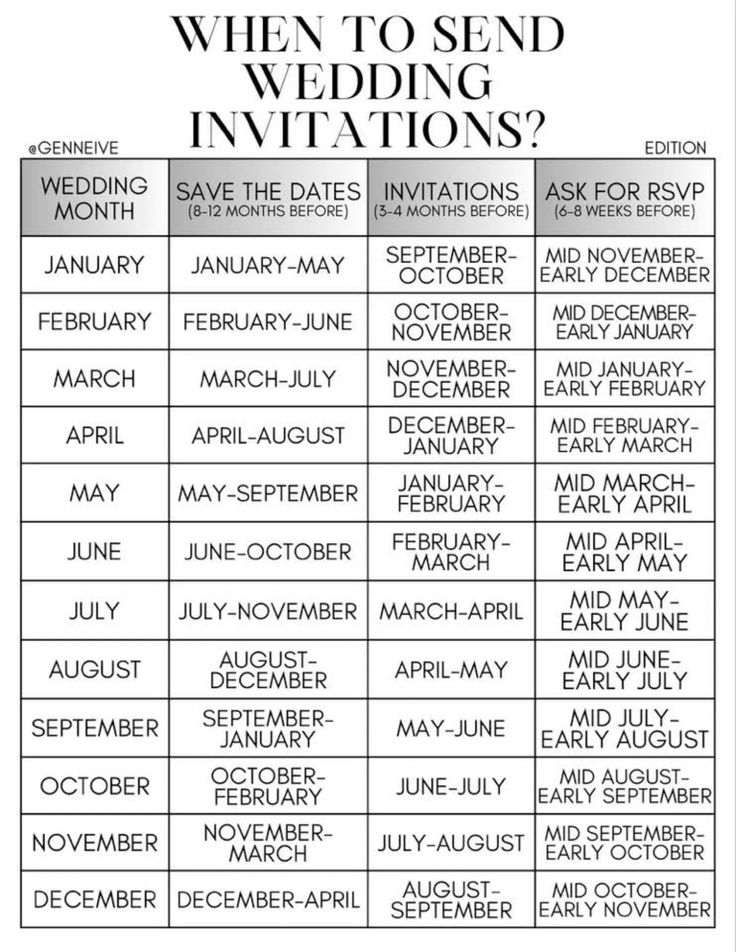
The Short Answer (If You’re in a Hurry)
For a traditional wedding:
👉 Send wedding invitations 6–8 weeks before your wedding date
That’s the sweet spot.
Not too early.
Not too late.
Just right.
But — and this matters — that timeline shifts depending on your wedding.
So let’s break it down properly.
First: The Difference Between Save-the-Dates and Invitations
This is where a lot of confusion starts.
Save-the-Dates
These are sent early and simply tell guests:
- You’re getting married
- On this date
- In this location (or general area)
They do not require an RSVP.
Wedding Invitations
These are sent later and include:
- Full details
- RSVP instructions
- Deadlines
- Dress code
- Venue info
Think of save-the-dates as a heads-up…
And invitations as the official ask.
When to Send Save-the-Dates
While this article focuses on invitations, timing only makes sense when you see the full picture.
Standard Wedding
Send save-the-dates 6–8 months before the wedding.
Destination Wedding
Send save-the-dates 8–12 months before the wedding.
Holiday or Peak Season Wedding
Send them earlier than usual, especially if travel is involved.
Why?
Because guests need time to:
- Request time off work
- Book travel
- Budget for expenses
The Ideal Time to Send Wedding Invitations
Now let’s get to the main question.
For Most Weddings: 6–8 Weeks Before
This timeline works best because:
- Guests still remember the date
- It’s close enough that plans feel real
- You’ll get faster RSVPs
- Vendors aren’t chasing you for final numbers yet
Sending invitations earlier than this can actually backfire.
People forget.
They procrastinate.
They misplace the invite.
What Happens If You Send Invitations Too Early?
This surprises a lot of couples.
Sending invitations too early can cause:
- Lower RSVP response rates
- More “maybe” answers
- Guests forgetting to respond
- Lost invitations
People think, “I’ll respond later,” and then… don’t.
Timing matters more than enthusiasm.
What Happens If You Send Invitations Too Late?
On the other hand, sending invitations too late can:
- Prevent guests from attending
- Increase last-minute declines
- Stress out-of-town guests
- Delay vendor confirmations
If guests need to travel, they need time. Period.
Wedding Invitation Timeline (Step by Step)
Here’s a clean, realistic timeline you can actually follow.
8–12 Months Before
- Finalize guest list
- Collect mailing addresses
- Decide on invitation style
- Send save-the-dates (if applicable)
4–5 Months Before
- Order invitations
- Proofread everything
- Decide RSVP method (online or mail)
8 Weeks Before
- Send wedding invitations (standard timeline)
4 Weeks Before
- RSVP deadline
- Begin following up with non-responders
2–3 Weeks Before
- Provide final guest count to vendors
- Create seating chart
This flow keeps stress low and communication clear.
Destination Wedding Invitation Timing
Destination weddings change everything.
Guests need more time — emotionally and financially.
Recommended Timeline:
- Save-the-dates: 8–12 months before
- Invitations: 3–4 months before
This gives guests enough time to:
- Book flights
- Arrange accommodations
- Coordinate childcare
- Request vacation time
💡 Pro tip: Include a wedding website with travel info. It reduces questions dramatically.
Local Wedding vs. Out-of-Town Guests
If your wedding is local but many guests are traveling, lean toward the earlier side.
In that case:
- Send invitations 8 weeks before, not 6
- Set RSVP deadlines earlier
Always plan for your farthest-traveling guests.
When to Set Your RSVP Deadline
This part matters more than couples realize.
Ideal RSVP Deadline:
👉 3–4 weeks before the wedding
Why?
- Caterers need final counts
- Seating charts take time
- Rentals are finalized weeks in advance
Setting it too close causes panic.
Setting it too far out invites indecision.
Mail RSVP Cards vs. Online RSVPs
Both are fine — it’s about convenience.
Mail RSVPs
Pros:
- Traditional
- Sentimental
- Tangible
Cons:
- Slower responses
- Lost mail
- Manual tracking
Online RSVPs
Pros:
- Faster responses
- Easy updates
- Automatic tracking
Cons:
- Less traditional feel
💡 Many couples do both: printed invite + online RSVP.
Common Wedding Invitation Timing Mistakes
Let’s save you some headaches.
Mistake #1: Waiting on “Just One More Detail”
There will always be something unfinished.
Send the invitations once:
- Venue is confirmed
- Time is set
- RSVP method is ready
Everything else can go on the website.
Mistake #2: Giving Guests Too Much Time
More time does not equal faster responses.
It equals procrastination.
Mistake #3: Forgetting About Holidays
If your RSVP deadline lands:
- Right after a major holiday
- During peak travel season
Expect delays.
Adjust accordingly.
Mistake #4: Assuming People Will “Just Know”
They won’t.
Always clearly state:
- RSVP deadline
- How to respond
- What to do if they can’t attend
Clarity = fewer follow-ups.
When to Follow Up on RSVPs
This is normal. Everyone does it.
Start following up:
- 2–3 days after the RSVP deadline
Be polite. Be direct.
A simple message works:
“Hi! Just checking in — we didn’t receive your RSVP yet and wanted to make sure you didn’t miss it.”
No guilt. No awkwardness.
Special Situations That Affect Timing
Holiday Weddings
Send invitations earlier — people plan far ahead.
Second Weddings
Guests may expect simpler invitations, but timing stays the same.
Very Small Weddings
You can send invitations closer — but still give guests at least 4–6 weeks.
Final Rule of Thumb (Save This)
If you remember nothing else, remember this:
- Save-the-dates: 6–12 months before
- Invitations: 6–8 weeks before (3–4 months for destination)
- RSVP deadline: 3–4 weeks before
That’s it. That’s the formula.
Final Thoughts
Wedding invitation timing isn’t about etiquette perfection.
It’s about:
- Respecting your guests’ time
- Protecting your own sanity
- Making planning smoother
When invitations are sent at the right time, everything else falls into place more easily — RSVPs, seating charts, vendor counts, and your peace of mind.
And that?
That’s priceless.