
Planning a wedding is exciting… until your to-do list starts to feel longer than your guest list. Between vendors, timelines, and tiny details you didn’t even know existed, it’s easy to feel overwhelmed. That’s where a wedding planner can change everything. When you know how to work with a planner the right way, the process becomes calmer, clearer, and even enjoyable.
This guide walks you through exactly how to build a smooth, productive relationship with your wedding planner—so your big day feels joyful, not stressful.
Understand What a Wedding Planner Actually Does
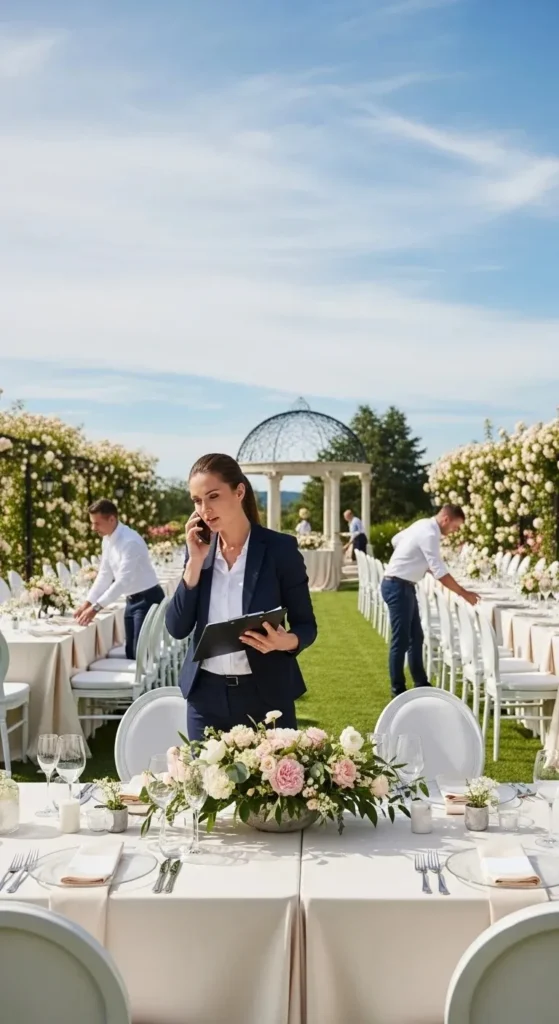
Before working together, get clear on the planner’s role. Not all planners do the same things.
Most planners fall into three categories:
- Full-service planners handle almost everything from start to finish
- Partial planners step in mid-way to help refine plans
- Day-of coordinators focus on execution during the final weeks and wedding day
Ask exactly what is included.
Clarify:
- Vendor communication
- Budget tracking
- Timeline creation
- On-the-day coordination
This avoids confusion later. When expectations are clear, trust grows fast.
Share Your Vision (Even If It’s Messy)

You don’t need a perfect vision board. You just need honesty.
Tell your planner:
- What you love
- What you dislike
- What feels “very you”
- What you want to avoid
Bring:
- Pinterest saves
- Screenshots
- Color ideas
- Venue inspiration
Even vague feelings help. Saying “I want it simple but emotional” is useful. A planner translates scattered ideas into a clear plan. The more open you are, the easier their job becomes.
Be Clear About Your Budget Early

Budget conversations can feel awkward, but they save stress later.
Be upfront about:
- Your total budget
- Your top priorities
- Areas you’re flexible on
A good planner helps you spend smarter, not more.
They can suggest:
- Where to invest
- Where to save
- Alternatives that still look beautiful
When your planner knows your limits, they won’t suggest things that create pressure.
Trust Their Experience (But Speak Up)
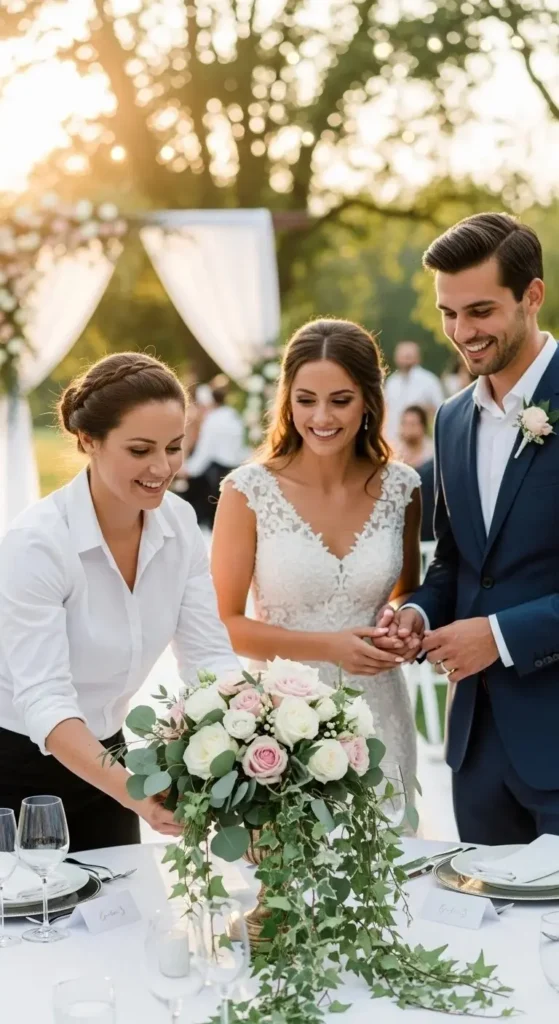
You hired a planner for their experience. Let them use it.
That said, your voice matters.
The balance looks like this:
- Listen to their suggestions
- Ask questions if something feels off
- Speak up early, not after decisions are locked
If something doesn’t feel right, say it kindly and clearly. Planners prefer honest feedback over silent stress. Collaboration works best when both sides communicate openly.
Stay Organized and Responsive
Planners manage many weddings at once. Quick replies help everything run smoothly.
Simple habits make a big difference:
- Respond to emails within a day or two
- Keep all planning messages in one place
- Save documents your planner shares
You don’t need to reply instantly. Just stay consistent. When communication flows, decisions move faster and stress stays low.
Let Go on the Wedding Day

This is the hardest step—and the most important.
On your wedding day:
- Do not manage vendors
- Do not check the timeline
- Do not fix problems
That’s your planner’s job.
If something small goes wrong, you may never even know. And that’s a good thing. Let yourself be present. Eat the food. Laugh with your friends. Trust that everything is handled.
Conclusion: A Planner Is a Partner, Not Just a Service
Working with a wedding planner isn’t about giving up control. It’s about gaining peace of mind. When you communicate clearly, trust the process, and stay organized, your planner becomes your biggest support—not just on the wedding day, but throughout the entire journey.
Your only real job?
Enjoy getting married.
💡 Save this guide for later and share it with your partner before your next planning meeting.