
Wedding seating can feel like a puzzle with too many pieces. Friends, family, plus-ones, personalities, history—it’s a lot. But when done thoughtfully, seating arrangements help guests relax, connect, and enjoy the celebration instead of awkwardly searching for a place to sit. The goal isn’t perfection. It’s comfort, flow, and good energy.
This guide breaks wedding seating down into simple, practical steps that make the process easier and far less stressful.
Start With Your Guest List First

Before thinking about tables, chairs, or charts, lock in your guest list.
Start by:
- Listing confirmed guests only
- Grouping families together
- Noting plus-ones
- Marking guests who may need special seating
This step gives clarity. It also prevents constant reshuffling later.
Helpful tip:
Use sticky notes or a digital spreadsheet so you can move names easily. Flexibility saves time and sanity.
Choose the Right Table Style
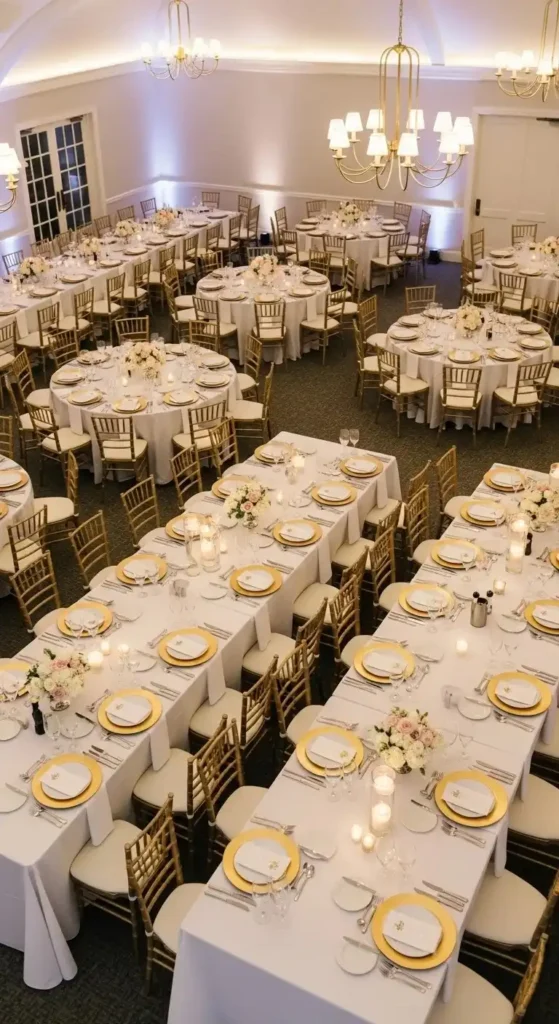
Your table style affects how people interact.
Common options:
- Round tables: Easier conversation, balanced seating
- Long banquet tables: Social and relaxed, great for big groups
- Mixed layout: Works well for varied guest dynamics
Round tables suit guests who don’t know each other well. Long tables work better for close-knit groups.
Choose what fits your space and guest mix, not just what looks good online.
Seat Guests by Comfort, Not Obligation
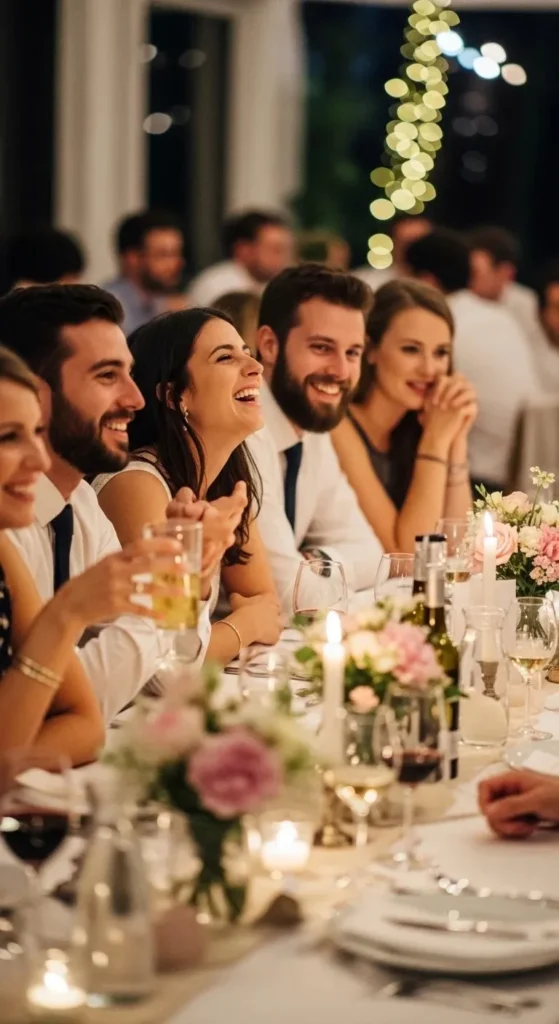
Tradition matters, but comfort matters more.
Ask yourself:
- Who enjoys talking together?
- Who may feel left out?
- Who prefers quieter company?
Try to:
- Seat extroverts with mixed groups
- Place shy guests near familiar faces
- Avoid seating people with known tension together
It’s okay to break “expected” pairings if it creates a better experience.
Keep Couples and Families Together
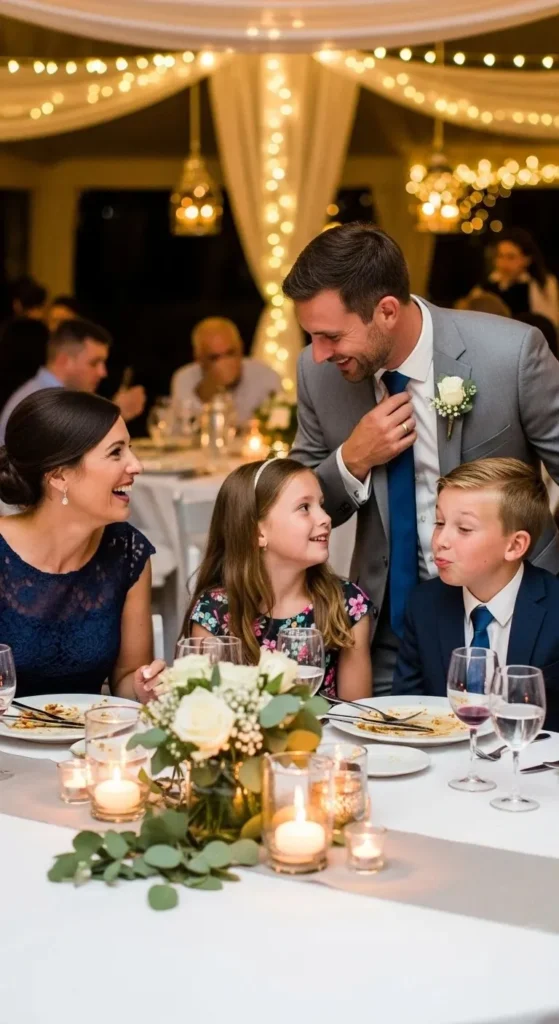
This seems obvious, but it’s easy to overlook.
General rule:
- Couples sit together
- Immediate family stays nearby
- Kids sit with parents unless requested otherwise
If you’re offering a kids’ table:
- Make sure parents agree
- Place it within sight
- Add simple activities
Comfort increases when guests don’t feel separated from their people.
Be Strategic With the Head Table
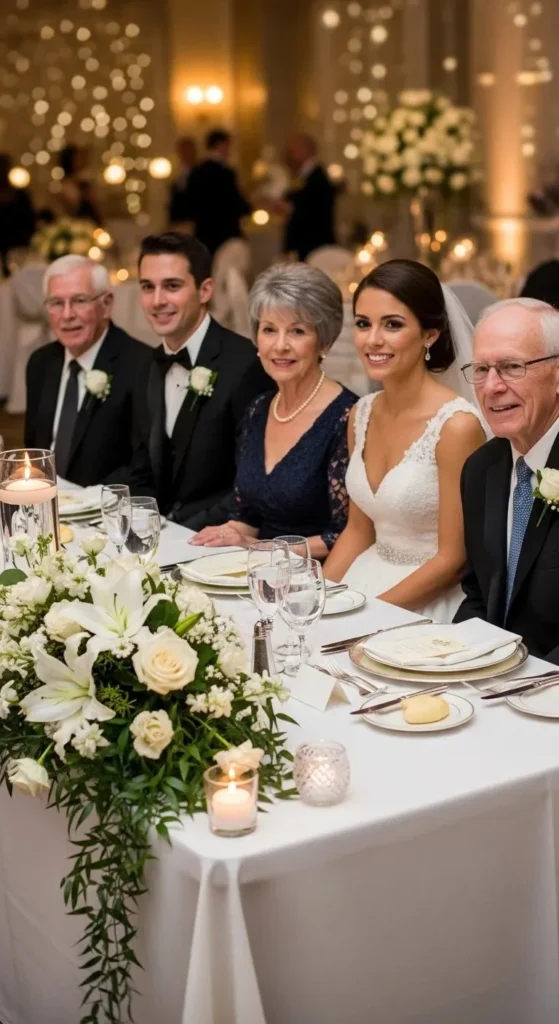
You have options beyond the traditional head table.
Popular choices:
- Sweetheart table for just the couple
- Head table with wedding party
- Family-style table
A sweetheart table gives you breathing room. A shared table feels social.
Choose what fits your energy. There’s no rule that says you must sit with everyone all night.
Think About Table Placement
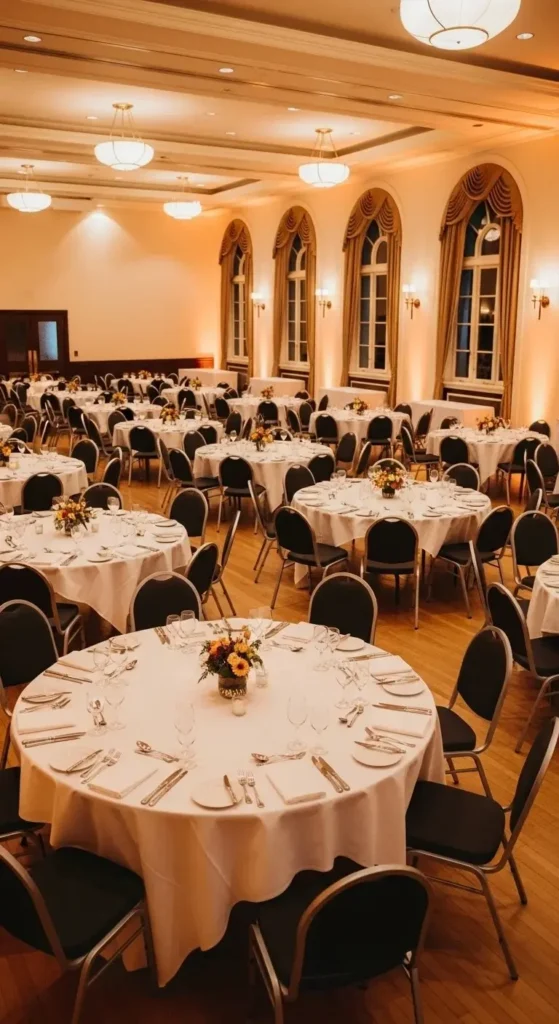
Where a table sits matters as much as who sits there.
Avoid placing guests:
- Right next to speakers
- Near busy service doors
- In tight corners
If you have older guests:
- Seat them farther from loud areas
- Closer to restrooms
- Near exits if needed
Comfort isn’t just social—it’s physical too.
Create a Clear Seating Chart
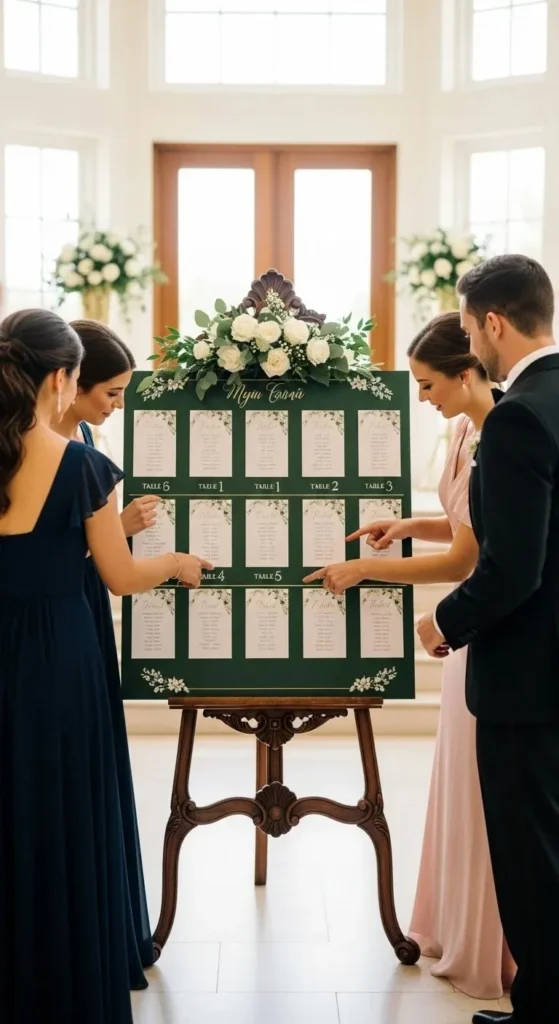
A clear seating chart prevents confusion and crowding.
Options include:
- Alphabetical list
- Table numbers with names
- Escort cards
Place it:
- At the reception entrance
- Where guests naturally pause
Make it easy to read. Large fonts. Good lighting. Simple layout.
This small detail sets the tone for a smooth evening.
Leave Room for Flexibility
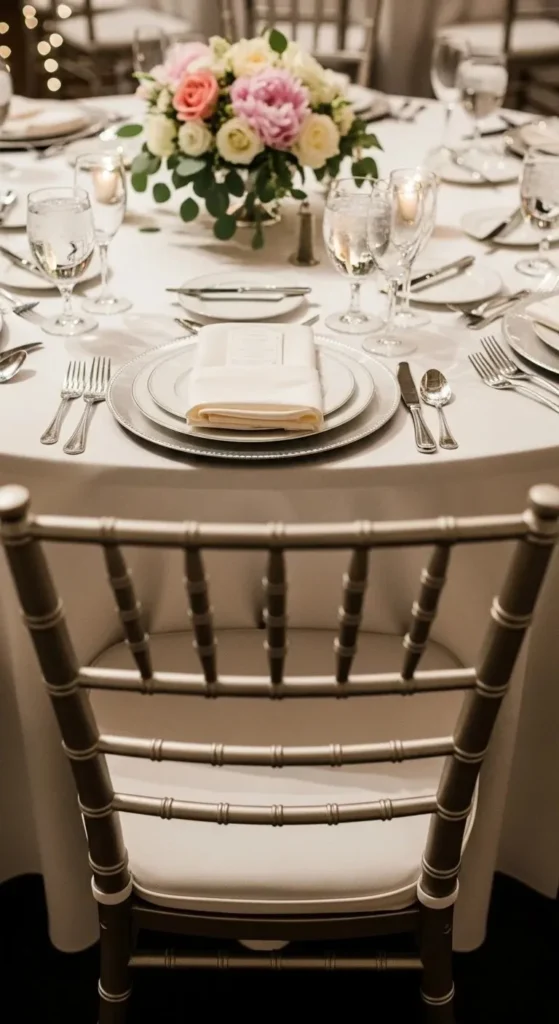
Not everything goes exactly as planned.
Someone may:
- Not show up
- Bring a last-minute guest
- Switch seats mid-event
Leave a few open seats where possible. Guests appreciate options, especially later in the evening.
Flexibility reduces stress—for you and your guests.
Trust Your Instincts
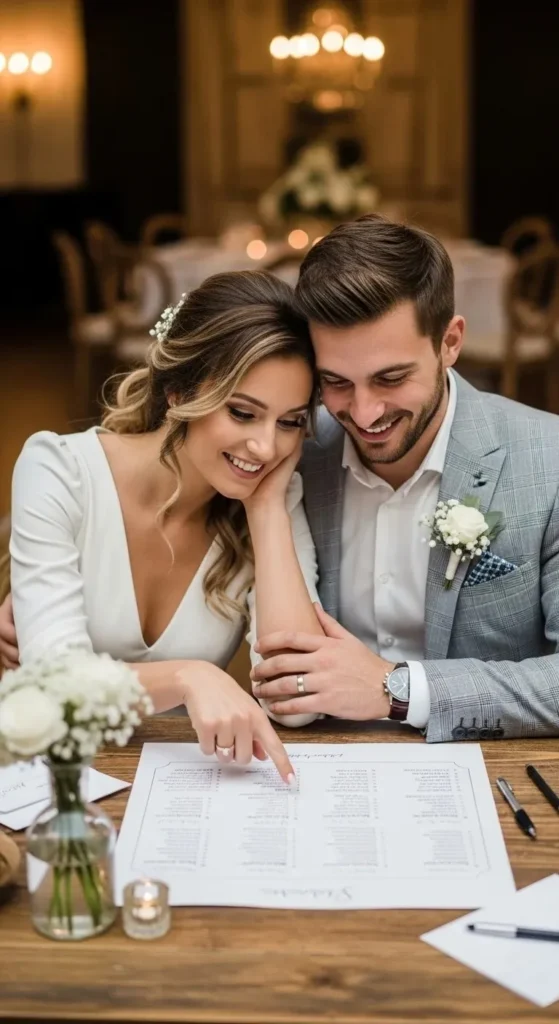
You know your guests better than any chart or rule.
If a seating choice feels right, it probably is.
Once it’s done:
- Let go
- Focus on celebrating
- Trust that guests will find their comfort
Most people remember how they felt, not where they sat.
Final Takeaway
Wedding seating doesn’t have to be perfect to work beautifully. When you focus on comfort, connection, and flow, guests relax and enjoy the celebration naturally. Take it step by step, trust your judgment, and remember—good company matters more than perfect placement.
Save this guide for later and make seating one less thing to stress about 💛