
Your wedding day outfit isn’t just about “wearing a suit.” It’s about showing up as the best version of yourself, feeling confident, comfortable, and completely in sync with the celebration. The right groom’s outfit should match the vibe of the wedding, flatter your body type, and still feel like you. Whether you’re going classic, cultural, or modern, a little planning goes a long way.
Start With Your Wedding Style and Venue
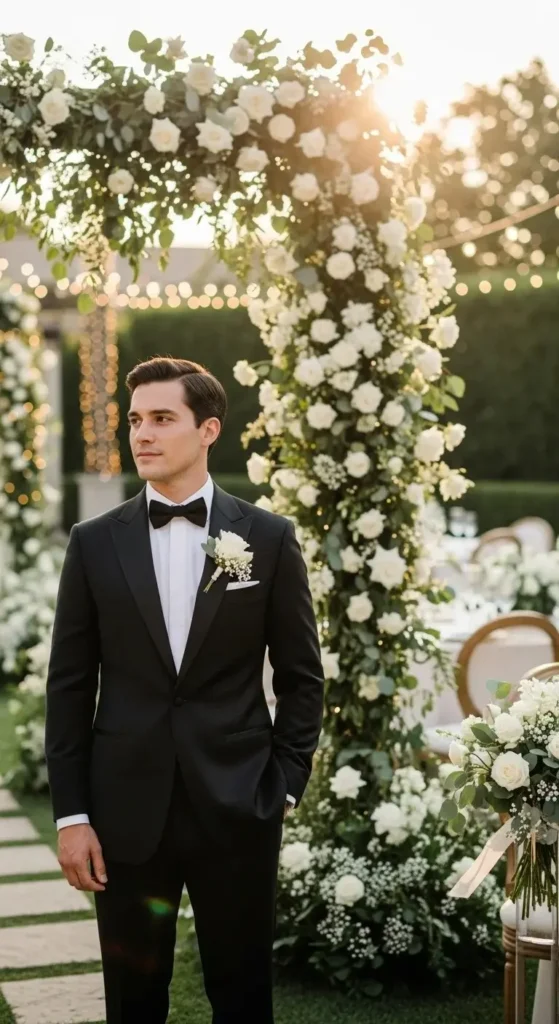
Before you even look at outfits, look at the wedding itself. Your venue and theme should guide every outfit choice you make.
Ask yourself:
- Is the wedding formal, semi-formal, or relaxed?
- Is it indoors, outdoors, daytime, or evening?
- Is there a cultural or traditional dress expectation?
For example:
- A black-tie ballroom wedding pairs well with tuxedos or classic sherwanis.
- A garden or beach wedding works better with lighter colors and breathable fabrics.
- A traditional wedding may call for cultural attire like a sherwani, kurta pajama, or prince coat.
Once the setting is clear, outfit decisions become much easier.
Choose a Fit That Flatters Your Body
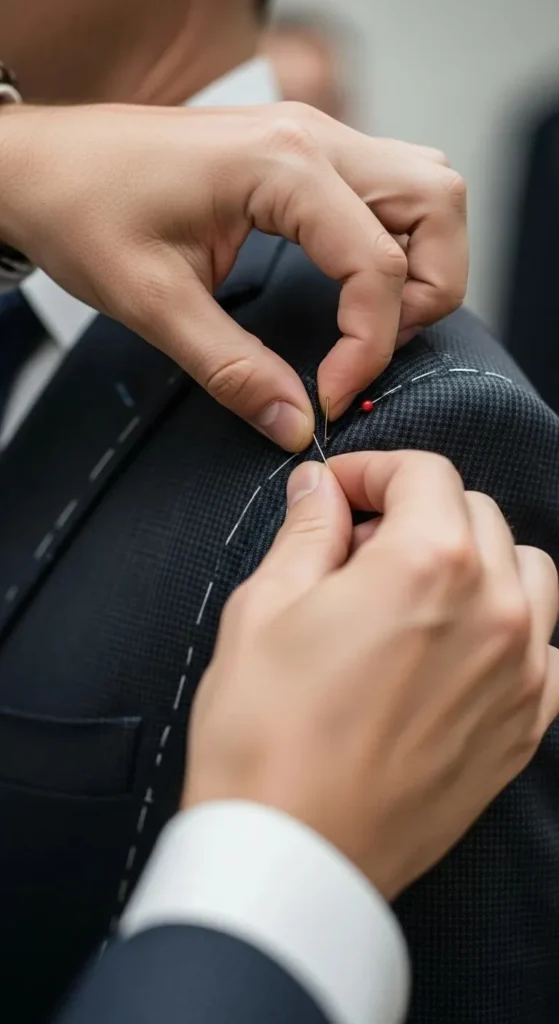
Fit matters more than brand or price. A well-fitted outfit always looks polished.
Keep these tips in mind:
- Slim fit works well for lean frames.
- Regular fit offers comfort for broader builds.
- Avoid anything too tight or overly loose.
Always schedule at least one fitting. Small alterations like sleeve length, shoulder fit, and trouser break make a big difference. If you’re renting, still ask about size adjustments.
Comfort matters too. You’ll be wearing this outfit for hours.
Pick the Right Color Palette
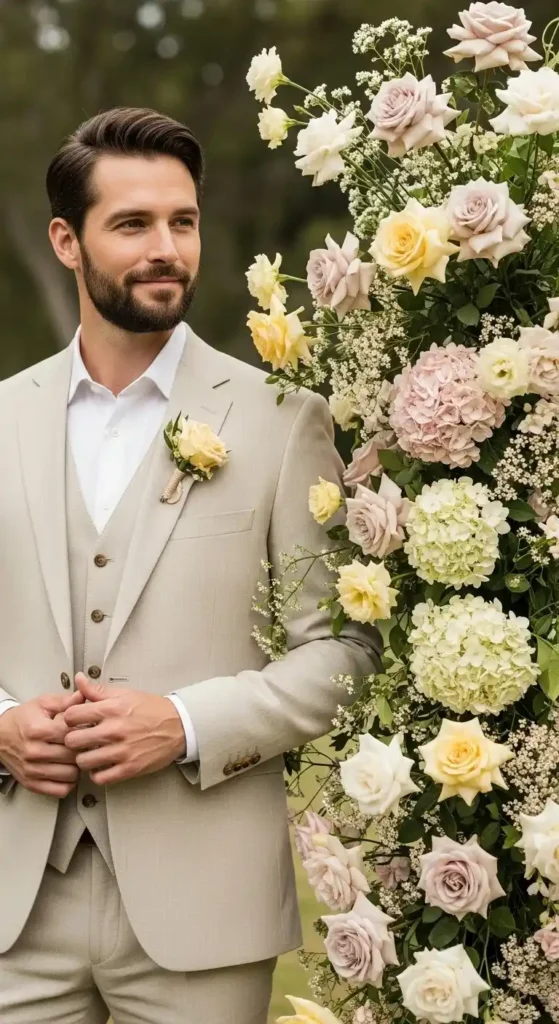
Color sets the tone of your entire look.
Popular groom color options include:
- Black, charcoal, and navy for formal weddings
- Beige, ivory, and light grey for daytime events
- Deep green, maroon, or royal blue for statement looks
Coordinate with:
- The bride’s outfit
- Wedding décor colors
- The season
You don’t need to match exactly. Aim for harmony, not duplication.
Decide Between Traditional and Modern Styles

There’s no rule saying you must choose one over the other.
Traditional styles work well if:
- Your wedding follows cultural customs
- Family traditions matter to you
- You want a regal, timeless feel
Modern styles work well if:
- The wedding is minimal or contemporary
- You prefer clean lines and simple silhouettes
- Comfort is a priority
Some grooms even mix styles, such as a modern cut with traditional embroidery.
Pay Attention to Fabric and Season
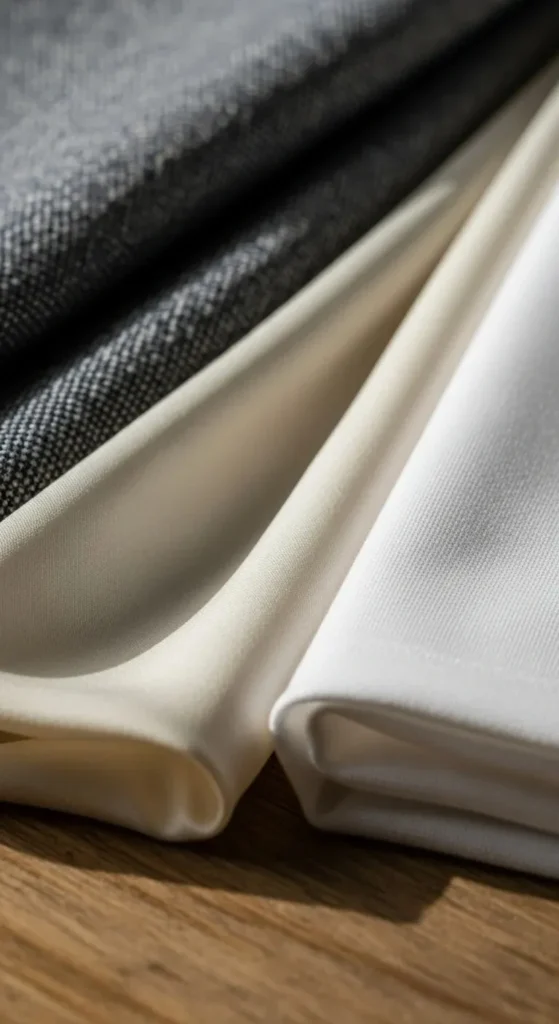
Fabric choice affects comfort more than you think.
Use this as a guide:
- Summer weddings: cotton, linen blends, lightweight silk
- Winter weddings: wool, velvet, layered fabrics
- Long ceremonies: breathable materials are key
Avoid heavy fabrics if your wedding involves outdoor events or daytime functions.
Don’t Ignore Accessories
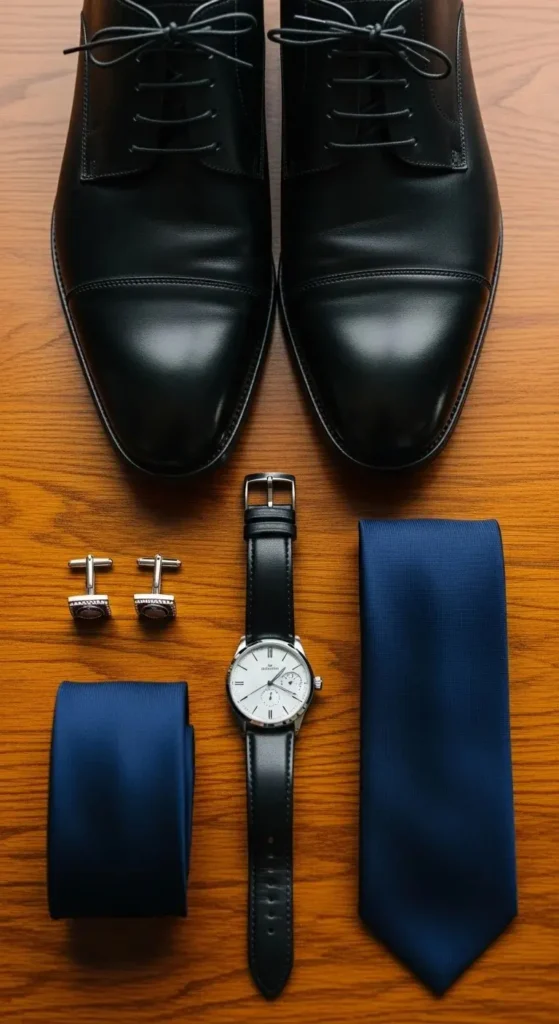
Accessories complete the outfit.
Consider adding:
- Pocket square or dupatta
- Tie, bow tie, or turban
- Cufflinks or brooch
- Watch that matches the formality
Keep it balanced. Too many accessories can overwhelm the look. One or two statement pieces are enough.
Choose Shoes You Can Actually Walk In
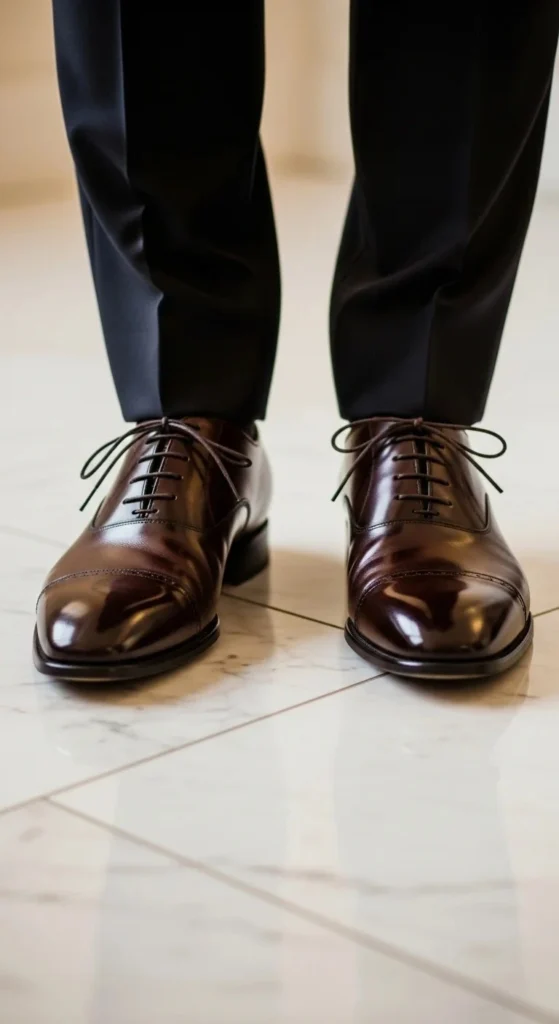
Shoes are often an afterthought, but they shouldn’t be.
Tips for wedding shoes:
- Match shoe color with outfit tone
- Break them in before the wedding
- Avoid brand-new shoes on the big day
Comfortable shoes help you enjoy the ceremony, photos, and dance floor without distraction.
Final Try-On and Confidence Check

Do a full outfit trial a few days before the wedding.
Check:
- Fit and comfort
- Movement while sitting and walking
- Accessories placement
If you feel confident when you look in the mirror, you’ve made the right choice.
Final Takeaway
Your wedding outfit should feel natural, comfortable, and personal. Focus on fit, fabric, and coordination rather than trends. When your outfit matches the wedding vibe and feels good to wear, it shows in every photo and moment.
Save this guide for later and share it with any groom who’s still wondering what to wear on his big day.