
A wedding day flies by faster than anyone expects. One minute you’re sipping coffee in pajamas, the next you’re on the dance floor saying goodbye to guests. A well-planned timeline keeps the day smooth, calm, and joyful—without feeling rushed or chaotic.
Let’s break it down step by step so your wedding day flows beautifully from start to finish.
Start With Your Ceremony Time
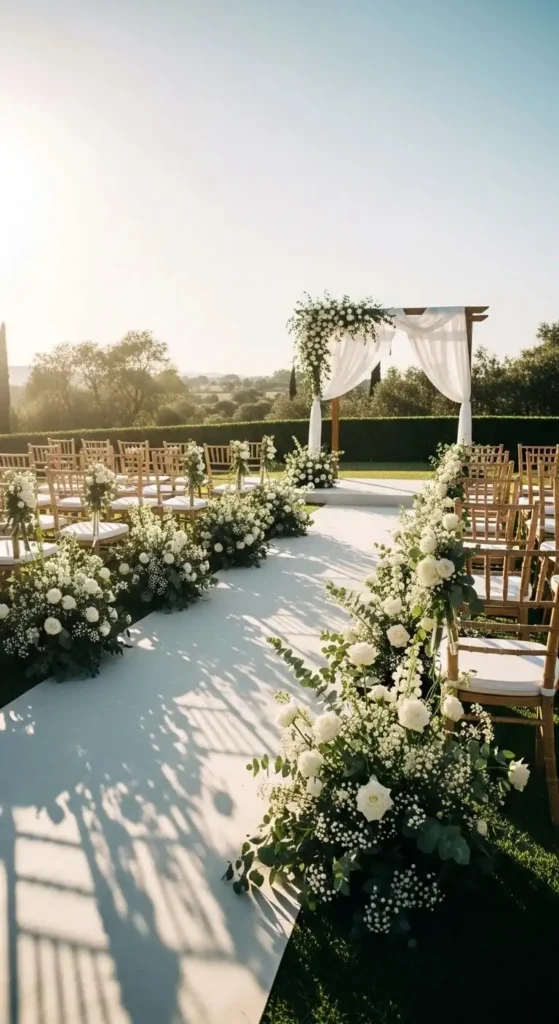
Your ceremony time anchors the entire day. Everything else builds around it.
Once the ceremony time is locked:
- Work backward for hair, makeup, and getting dressed
- Work forward for photos, dinner, and dancing
Write this time in bold at the top of your plan. It’s your non-negotiable reference point and keeps decisions simple.
Block Enough Time for Getting Ready
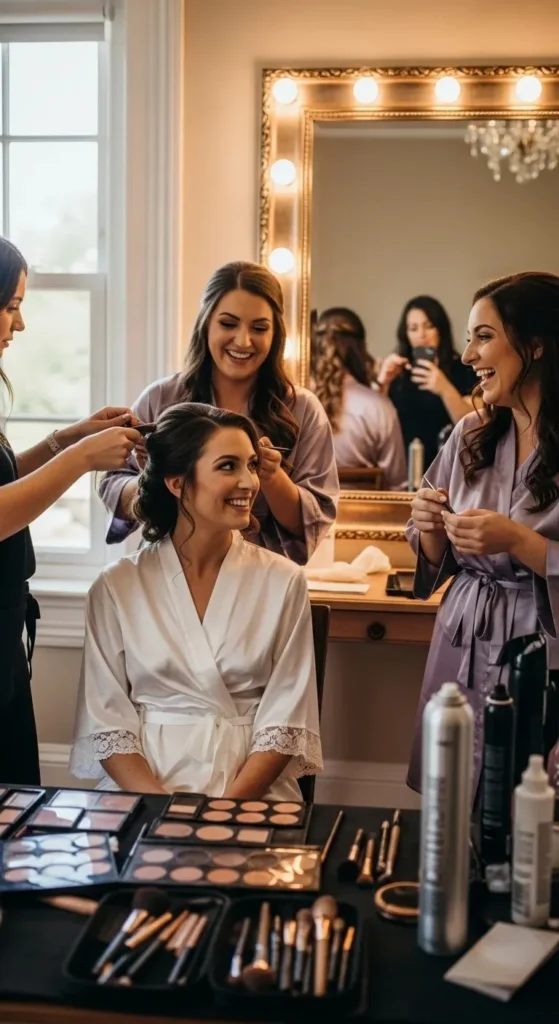
Getting ready always takes longer than expected. Add breathing room.
Helpful tips:
- Hair and makeup: add extra 30–45 minutes
- Put the bride last for makeup
- Schedule outfits, accessories, and details photos before dressing
A calm morning sets the tone for the entire day. Rushing here creates stress that lingers.
Plan First Look and Portraits Carefully
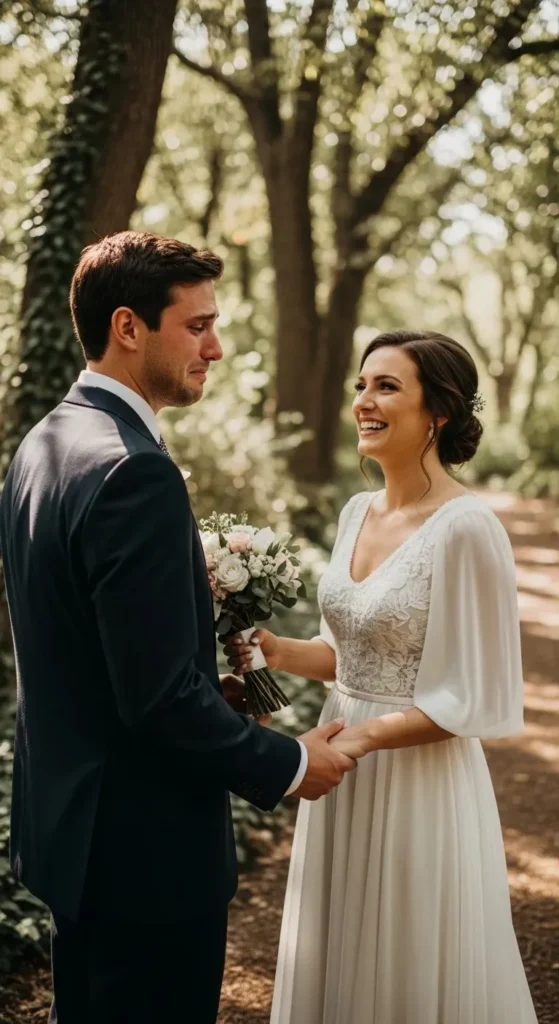
If you’re doing a first look, it saves time later and eases nerves.
Consider:
- 15–20 minutes for the first look
- 30–45 minutes for couple portraits
- Family photos before the ceremony if possible
This frees up cocktail hour and gives you more time with guests.
Add Buffer Time Between Every Major Event
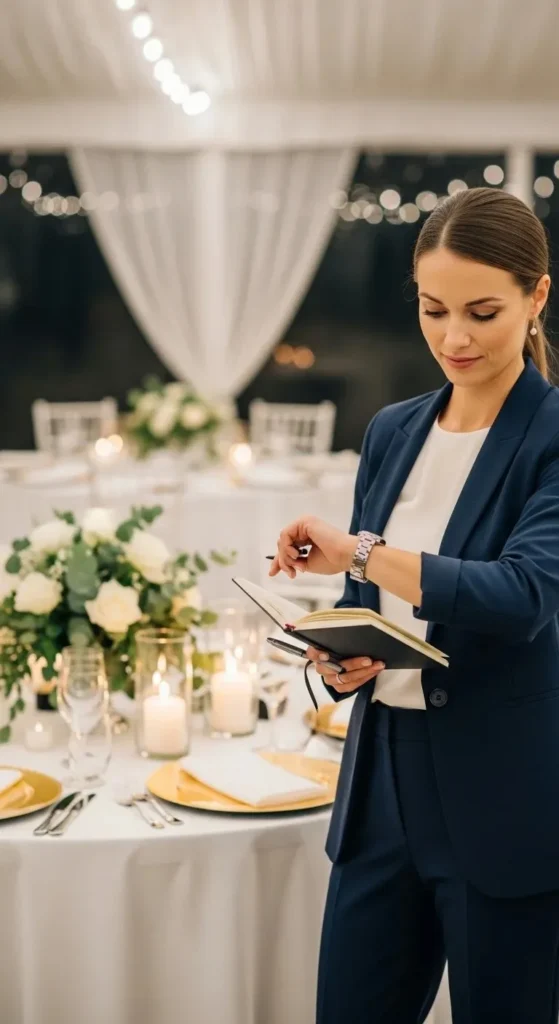
Buffer time is your secret weapon.
Add 10–15 minutes between:
- Getting dressed and leaving
- Ceremony and photos
- Photos and reception entrance
These cushions absorb small delays without throwing off the whole day.
Coordinate Vendor Arrival Times
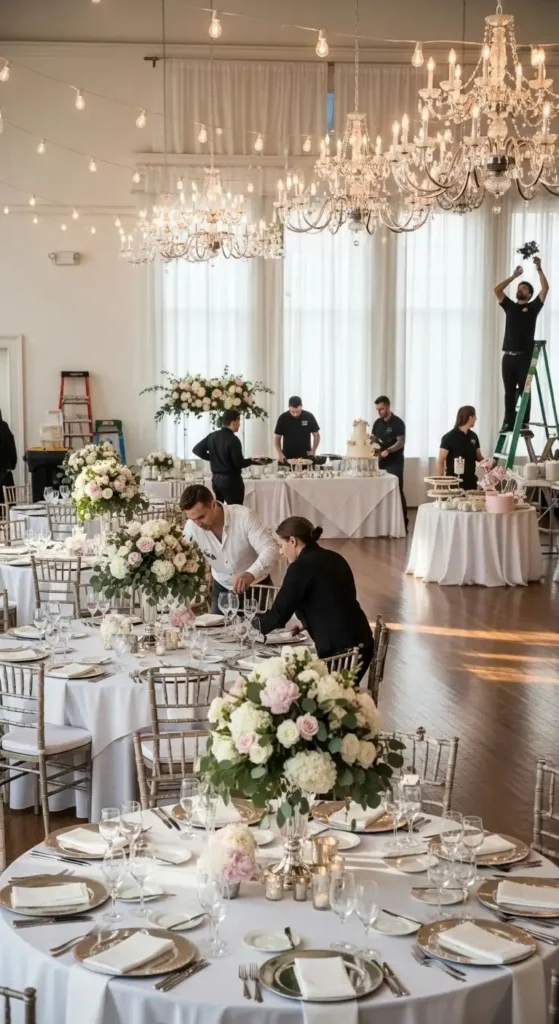
Vendors rely on your timeline to do their best work.
Make sure you note:
- Setup start times
- Setup completion goals
- Sound check and lighting tests
Share the final timeline with all vendors at least one week before the wedding.
Structure the Ceremony Flow
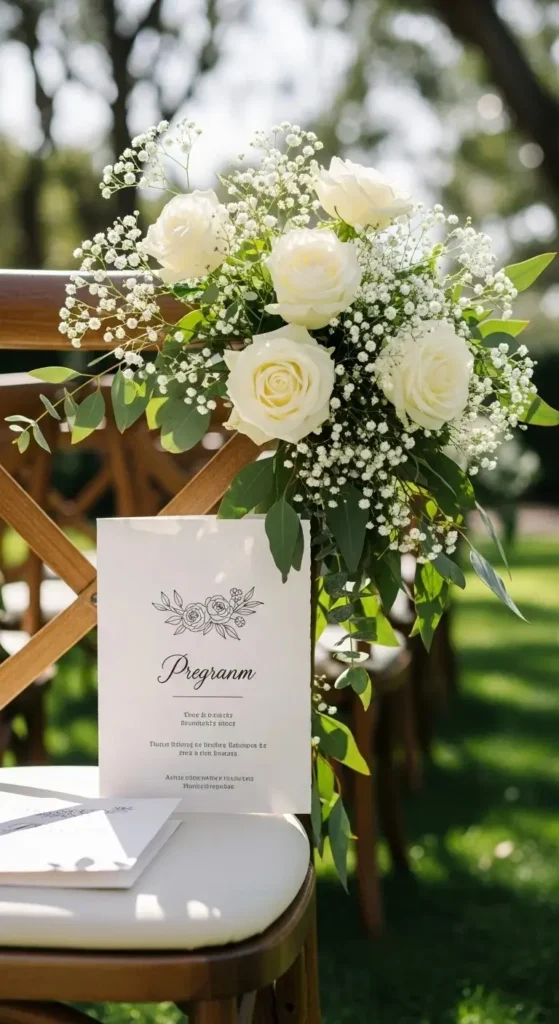
A clear ceremony outline keeps things moving smoothly.
Include:
- Guest seating time
- Processional order
- Readings or rituals
- Recessional
Most ceremonies last 20–30 minutes. Keeping it tight helps maintain energy.
Design a Smooth Cocktail Hour

Cocktail hour fills the gap between ceremony and reception.
Plan for:
- 60 minutes total
- Appetizers served early
- Background music ready
This gives guests something to enjoy while photos wrap up.
Map Out the Reception Events

Your reception flows best with a loose structure.
Typical order:
- Grand entrance
- First dance
- Dinner service
- Toasts
- Open dancing
Avoid packing too many events back-to-back. Guests appreciate space to relax and chat.
Schedule Dinner Smartly
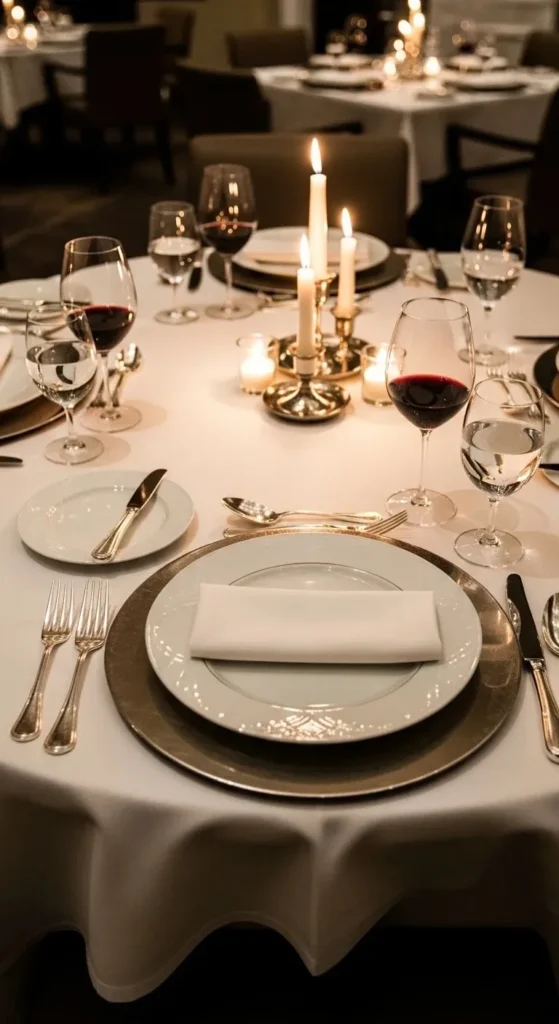
Dinner timing affects energy levels.
Good timing ideas:
- Serve dinner within 90 minutes of ceremony end
- Keep speeches short during dinner
- Allow time for guests to finish eating before dancing
Happy, fed guests stay longer on the dance floor.
Plan the Dance Floor Energy

Build momentum gradually.
Try:
- Romantic dances early
- High-energy songs later
- Cake cutting before peak dancing
This keeps excitement rising instead of dropping.
Prepare an Exit Strategy
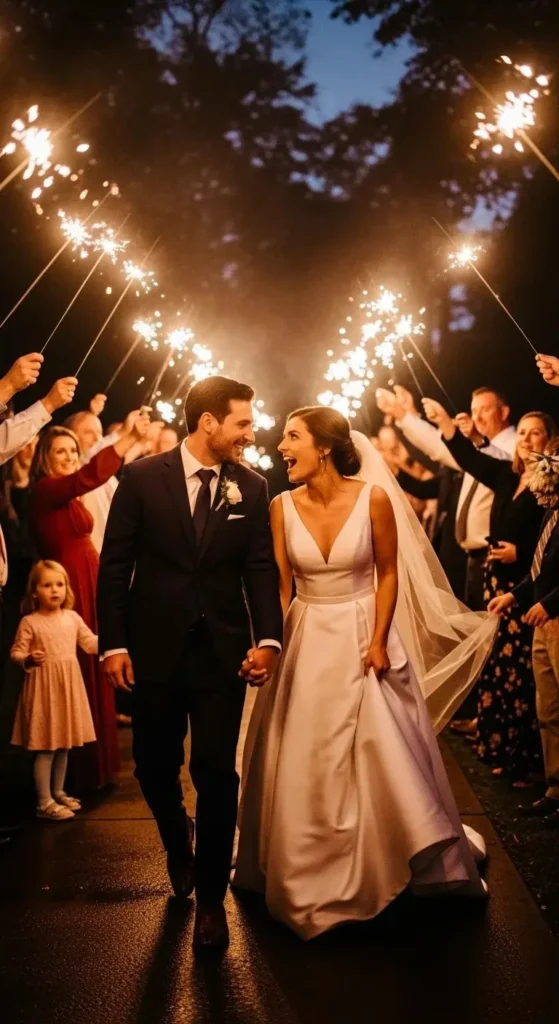
Your exit deserves planning too.
Decide:
- Exit time
- Transportation
- Photo opportunity
Even if guests don’t see it, your photographer will capture the moment beautifully.
Share the Timeline With Key People
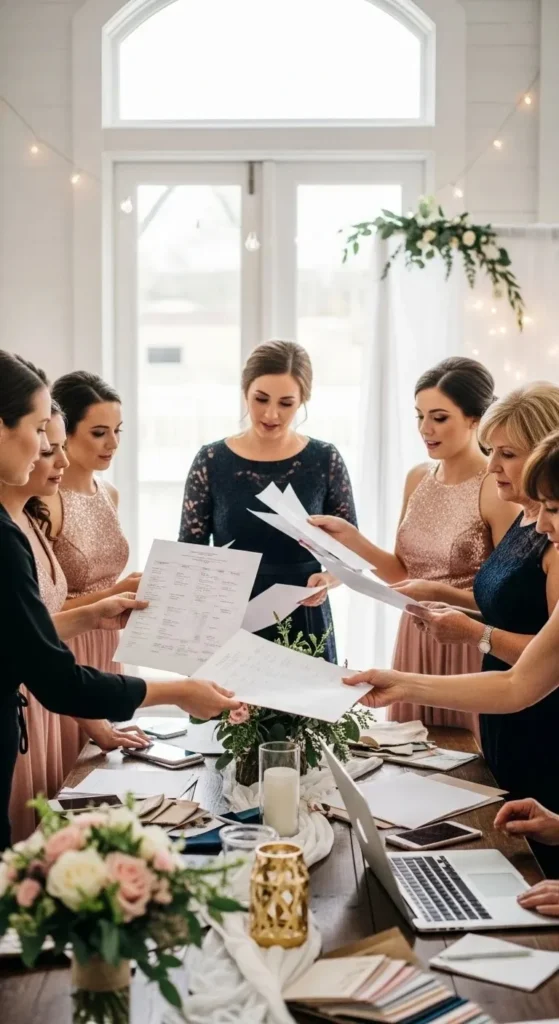
Make life easier by sharing the plan.
Give copies to:
- Wedding party
- Parents
- Planner or coordinator
When everyone knows where to be, questions disappear.
Final Takeaway
A clear wedding day timeline keeps your celebration calm, joyful, and memorable. Build it around your ceremony, add buffer time, and keep communication open with vendors and loved ones.
Save this guide, customize it for your day, and enjoy every moment without watching the clock. 💍⏰