
Ever notice how some yards just look… right?
Not necessarily bigger.
Not necessarily more expensive.
Just balanced, intentional, and polished — like a professional landscaper touched every inch.
Here’s the secret most homeowners don’t realize:
Professional-looking gardens aren’t about rare plants — they’re about smart design choices.
In fact, many landscape designers use the same repeatable principles again and again:
- Structure first
- Layers second
- Details last
The good news?
You can apply these same ideas without hiring a designer.
Below are 30 genius gardening ideas that designers swear by — and Pinterest users can’t stop saving.
Let’s start with the first 10 ideas.
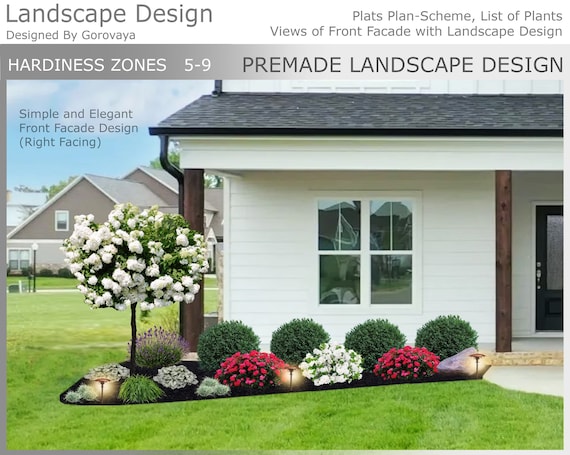
🌿 1. Create Clear Garden “Zones”
Why Designers Do This
Professional landscapes always feel organized because they’re divided into zones.
Common Zones:
- Seating / relaxation
- Lawn or open space
- Flower beds
- Pathways
How to Do It at Home:
- Use gravel, edging, or pavers to separate areas
- Change plant height between zones
- Add a focal point in each zone
Pinterest Tip:
Pins mentioning “zones” get higher saves because they feel intentional.
🌿 2. Use the Rule of Repetition
The Designer Trick Most People Miss
Amateur gardens use too many different plants.
Designers repeat:
- The same plant
- The same color
- The same shape
Example:
- Three identical shrubs along a fence
- Matching planters on both sides of a walkway
This creates visual rhythm, which instantly looks professional.
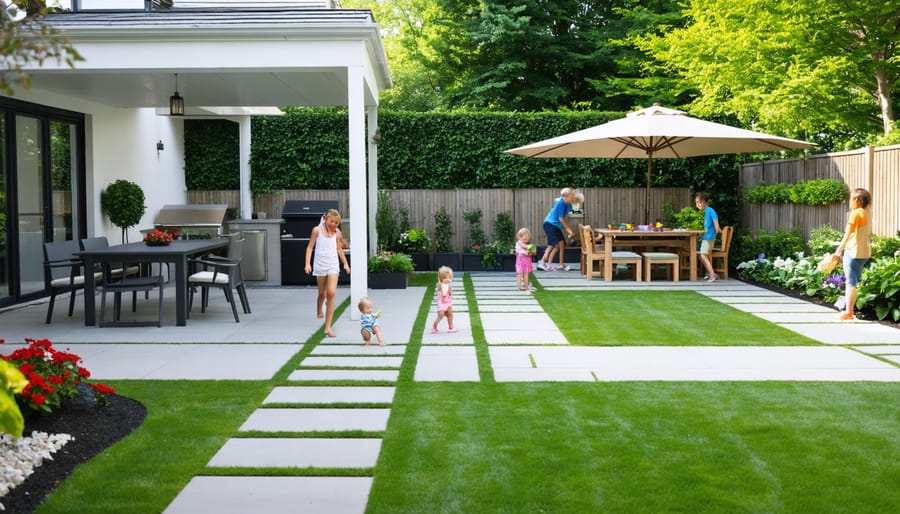
🌿 3. Add Curved Edges Instead of Straight Lines
Why Curves Look More Expensive
Nature isn’t boxy — and neither are high-end gardens.
Easy Upgrades:
- Curve your flower beds
- Use flowing gravel paths
- Avoid sharp 90° angles
Curves soften the space and guide the eye naturally.
🌿 4. Layer Plants Like a Designer (Height Matters)
The Classic 3-Layer Formula
Professionals almost always use this structure:
- Tall (trees, trellises, grasses)
- Medium (shrubs, flowering plants)
- Low (ground cover, edging plants)
Why It Works
It creates depth — the #1 difference between “DIY” and “designer” gardens.
🌿 5. Define Borders With Clean Edging
Instant Upgrade, Minimal Effort
Nothing makes a yard look unfinished faster than messy edges.
Popular Edging Options:
- Metal landscape edging
- Brick or stone
- Concrete borders
Clean edges = high-end look.
🌿 6. Use Fewer Colors (But Use Them Well)
Professional Color Rule
Designers usually stick to:
- 2–3 main colors
- 1 accent color
Example Palette:
- Green + white + soft purple
- Green + yellow + deep blue
Too many colors = visual chaos.
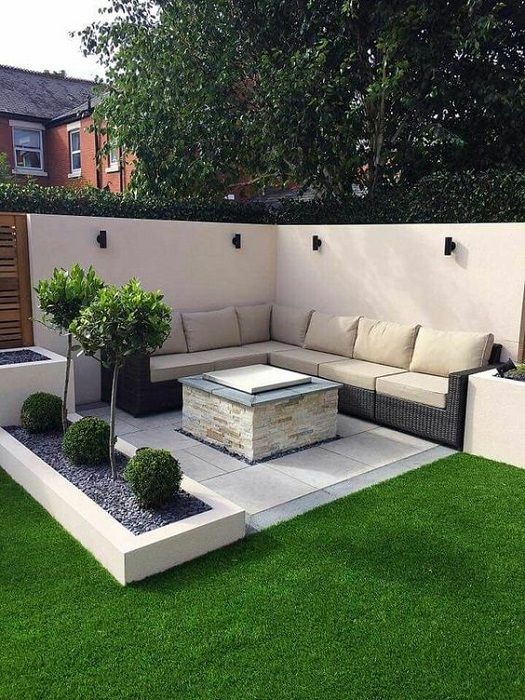
🌿 7. Anchor the Yard With One Strong Focal Point
What Counts as a Focal Point?
- Water feature
- Fire pit
- Statement tree
- Sculptural planter
Why It Matters
A focal point gives the eye a place to rest — a signature feature.
Pinterest users love pins with clear focal visuals.
🌿 8. Add Symmetry Where It Makes Sense
Symmetry = Designer Confidence
Especially effective for:
- Front yards
- Entryways
- Pathways
Easy Symmetry Ideas:
- Matching planters
- Identical shrubs
- Balanced lighting
It instantly signals intentional design.
🌿 9. Upgrade Mulch (Yes, Really)
Cheap Mulch Ruins Expensive Plants
Professional yards always use:
- Fresh, even mulch
- Consistent color
Best Choices:
- Dark brown bark
- Black mulch
- Pine bark nuggets
This alone can make your yard look newly landscaped.
🌿 10. Install Landscape Lighting (Even Minimal)
Why Lighting Is a Game-Changer
Lighting transforms gardens at night — and adds safety.
Designer Favorites:
- Path lights
- Uplights for trees
- Solar accent lights
Even 5–6 well-placed lights make a huge difference.
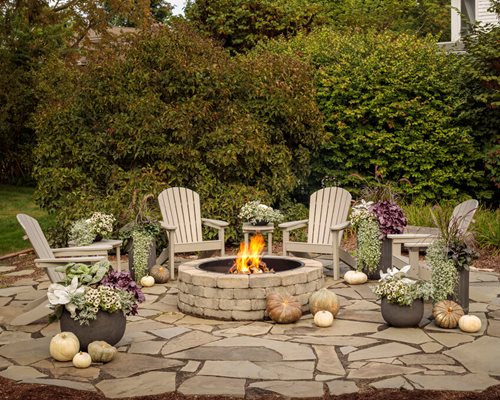
🌿 11. Use Gravel Like a Designer
Why Designers Love Gravel
Gravel is:
- Affordable
- Low maintenance
- Visually clean
Pro Tips:
- Choose one gravel color only
- Install proper edging
- Add stepping stones for contrast
Gravel paths and patios instantly raise the design level.
🌿 12. Frame Views With Plants
Professional Landscaping Secret
Designers frame, not fill.
How to Do It:
- Place taller plants on both sides of a view
- Keep the center visually open
- Frame doors, benches, or garden art
This creates intentional sightlines.
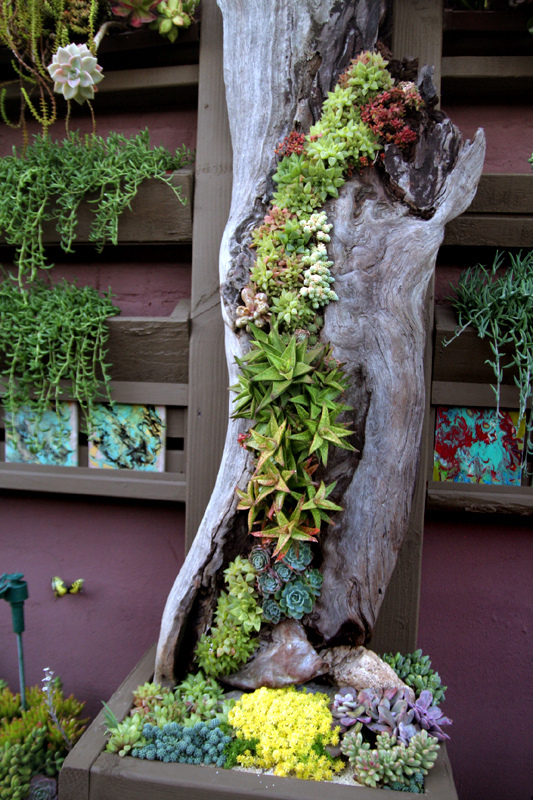
🌿 13. Mix Hardscape + Softscape
Why This Matters
All plants = messy
All stone = cold
Professionals balance both.
Examples:
- Stone path + flowering borders
- Concrete patio + ornamental grasses
- Wood deck + large planters
This contrast creates a high-end feel.
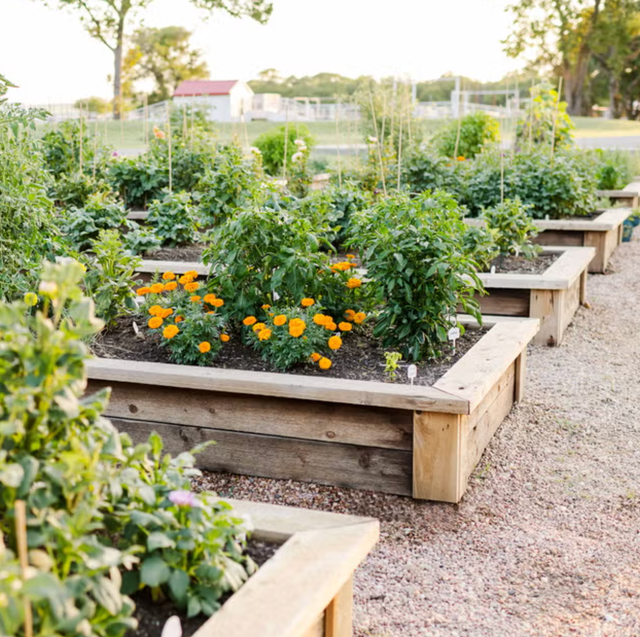
🌿 14. Add Raised Garden Beds (Clean Lines Only)
Designer Rule
Raised beds must look intentional, not improvised.
Best Materials:
- Cedar wood
- Stone blocks
- Metal planters
Avoid mismatched DIY boards if you want a polished look.
🌿 15. Use Vertical Space (Walls, Fences, Trellises)
Why Vertical Gardening Looks Expensive
It adds:
- Height
- Depth
- Structure
Easy Ideas:
- Climbing roses or jasmine
- Wall-mounted planters
- Wooden trellises
Pinterest users save vertical garden ideas heavily.
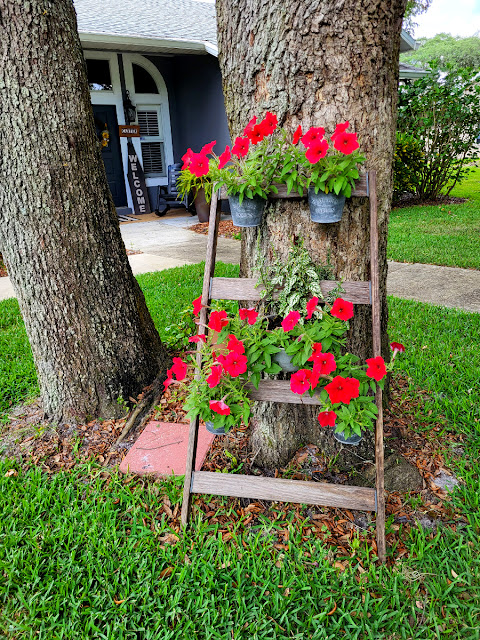
🌿 16. Limit Lawn Size on Purpose
Counterintuitive but True
Large lawns often make yards look unfinished.
Designer Move:
- Reduce lawn area
- Replace with beds, gravel, or seating
Smaller, defined lawns look intentional and upscale.
🌿 17. Choose One Statement Tree
Why This Works
One beautiful tree > many random plants.
Great Options:
- Japanese maple
- Olive tree
- Magnolia
- Ornamental cherry
This becomes the identity of the yard.
🌿 18. Add Garden Structures (Pergola, Arbor, Arch)
Instant Professional Touch
Structures add architecture to landscapes.
Popular Choices:
- Wooden pergola
- Metal garden arches
- Simple arbors at entrances
Even small yards benefit from this.
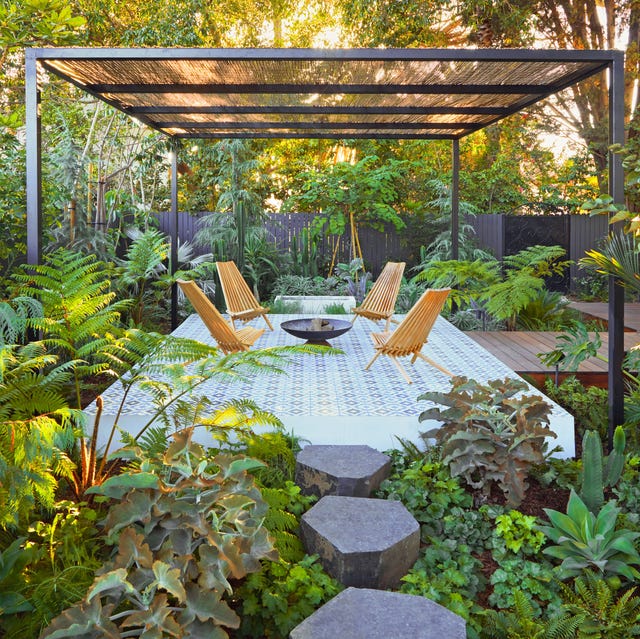
🌿 19. Hide the “Ugly Stuff”
Designers Always Hide:
- Trash bins
- Hoses
- AC units
Easy Fixes:
- Wooden screens
- Tall grasses
- Fence panels
This single step dramatically improves visual quality.
🌿 20. Use Matching Planters (Not Random Pots)
Designer Rule
Mismatched pots = clutter.
Instead:
- Choose 1–2 planter styles
- Repeat them throughout the yard
- Vary plant height, not pot style
This creates cohesion.
🌿 PART 3: POLISHED DETAILS THAT SCREAM “DESIGNER” (Ideas 21–30)
These are the finishing touches professionals never skip.
🌿 21. Stick to One Garden Style
Popular Styles:
- Modern minimalist
- Cottage garden
- Mediterranean
- Japanese-inspired
- Farmhouse
Mixing styles is the fastest way to ruin a design.
🌿 22. Use Ground Covers Instead of Bare Soil
Why Designers Avoid Bare Dirt
Bare soil looks unfinished and cheap.
Better Options:
- Creeping thyme
- Clover
- Decorative gravel
- Bark mulch
Ground cover = instant polish.
🌿 23. Repeat the Same Materials
Materials to Repeat:
- Stone type
- Wood tone
- Metal finish
Repetition creates visual harmony, a designer trademark.
🌿 24. Add Outdoor Seating With Purpose
Designer Seating Rule
Seating should face:
- A view
- A focal point
- Each other
Random chairs ruin flow. Intentional placement elevates design.
🌿 25. Use Large Plants Instead of Many Small Ones
Why This Looks Better
Large plants:
- Fill space faster
- Look established
- Reduce clutter
Designers prefer fewer, bigger plants.
🌿 26. Create a Clear Entry Moment
First Impressions Matter
Your garden entrance should feel intentional.
Ideas:
- Matching planters at entry
- Archway or arbor
- Defined pathway
This sets the tone for the entire yard.
🌿 27. Add Texture, Not Just Color
Texture Comes From:
- Leaf size
- Plant shape
- Material contrast
Texture adds depth even in monochrome gardens.
🌿 28. Keep Negative Space on Purpose
What Is Negative Space?
Empty space — and it’s powerful.
Designers leave room for:
- Visual breathing
- Clean lines
- Balance
Not every inch needs planting.
🌿 29. Maintain Clean Lines Regularly
Maintenance = Design
Even the best design fails without upkeep.
Weekly Tasks:
- Edge borders
- Trim plants
- Sweep paths
A maintained yard always looks professionally designed.
🌿 30. Edit Ruthlessly (Designers Always Remove Things)
Final Pro Secret
Designers remove more than they add.
Ask yourself:
- Does this serve a purpose?
- Does it match the style?
- Does it add clarity?
If not — remove it.
🌱 Final Thoughts: Why These Ideas Work
Professional gardens succeed because they:
- Follow structure
- Use repetition
- Value simplicity
- Focus on balance, not abundance
You don’t need a massive budget —
you need intentional decisions.
This is exactly why this topic:
- Performs exceptionally well on Pinterest
- Gets long-term search traffic
- Converts readers into followers and buyers