
Wedding dress shopping should feel exciting, not overwhelming. Yet many brides lose hours trying on random gowns, scrolling endlessly, or second-guessing their budget. A little planning changes everything. When you shop with a clear approach, you save time, protect your budget, and avoid decision fatigue. These 28 expert tips will help you stay focused, confident, and practical from your first appointment to your final fitting.
Set a Realistic Dress Budget
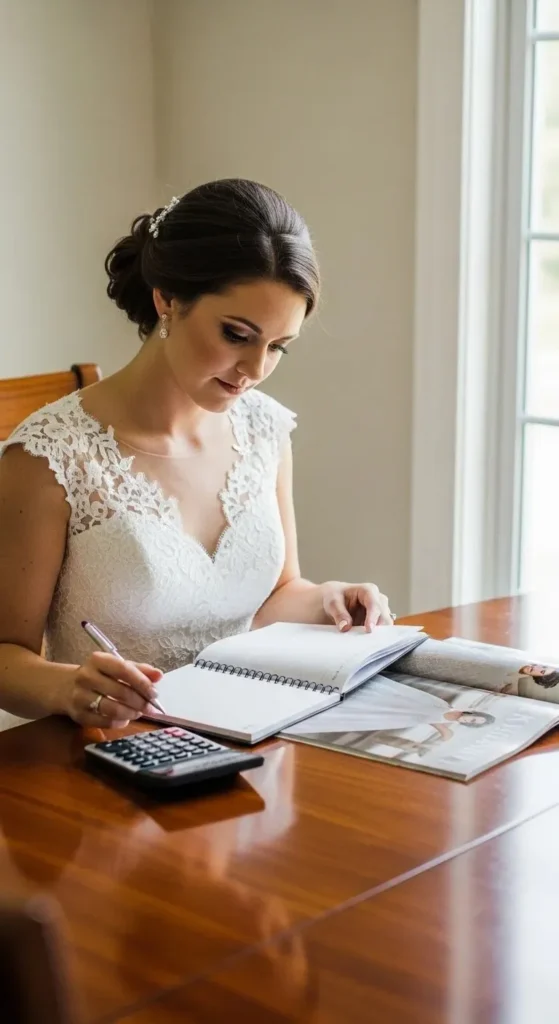
Before booking anything, decide your maximum number. Include alterations, taxes, steaming, veil, and shoes. Many brides forget those extras.
Write the full figure down. Share it with anyone contributing.
Tell consultants your limit immediately. That prevents you from trying dresses you can’t afford.
If your budget is tight, ask about discontinued styles or off-the-rack options. Sample gowns can save hundreds.
Track everything in a simple phone note or spreadsheet.
Clear numbers remove pressure and speed up decisions.
Research Styles Before You Shop

Spend one evening collecting inspiration. Not weeks.
Screenshot 10 dresses you love. Notice patterns. Lace? Clean satin? Long sleeves?
Also list what you dislike. Heavy sparkle? Large bows?
This saves time in-store. Consultants work faster with direction.
Knowing basic silhouettes like A-line or mermaid helps you communicate clearly.
Focused research keeps appointments productive.
Know Your Measurements

Bridal sizing runs differently.
Measure bust, waist, and hips at home or visit a local tailor.
Keep numbers on your phone.
Order for your current body, not a future goal. Minor alterations are easier than major resizing.
Accurate measurements prevent expensive ordering mistakes.
Keep Your Entourage Small

Bring two or three trusted people.
Too many opinions slow everything down.
Choose people who respect your style.
You can always share photos later with family.
A calm room leads to faster, clearer decisions.
Book Smart Appointment Times

Weekday mornings are quieter.
Avoid stacking more than two appointments in one day. Dresses blur together.
Leave thinking time between visits.
Good scheduling prevents mental overload.
Learn Basic Fabric Types

Satin is structured.
Chiffon feels light.
Tulle adds volume.
Lace creates texture.
Touch fabrics in person. Think about your venue and season.
Fabric knowledge narrows options quickly.
Try One Style Outside Your Comfort Zone
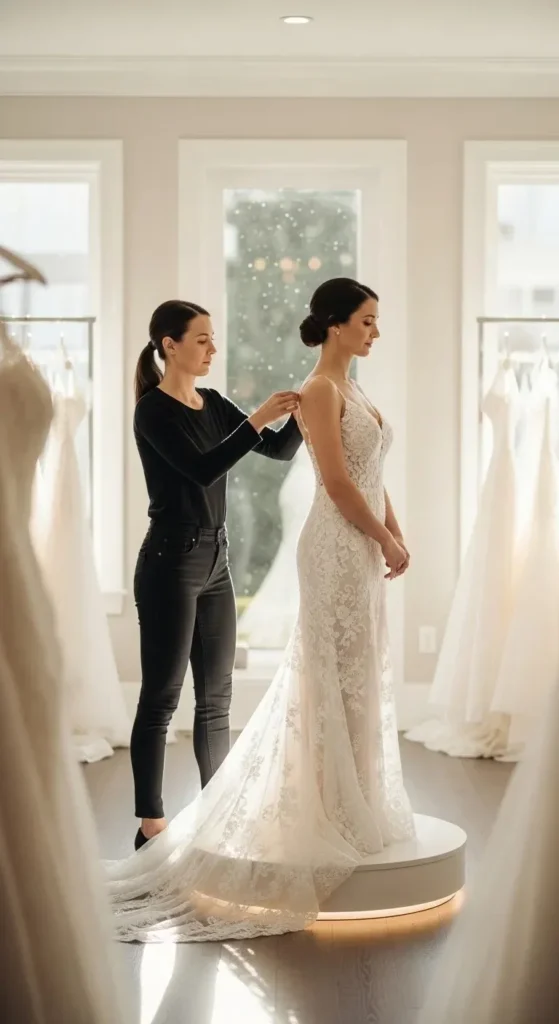
If you want A-line, try mermaid once.
If you want sleeves, try strapless once.
Surprises happen.
After that, narrow your focus.
Experiment early. Refine later.
Move, Sit, and Walk in the Dress
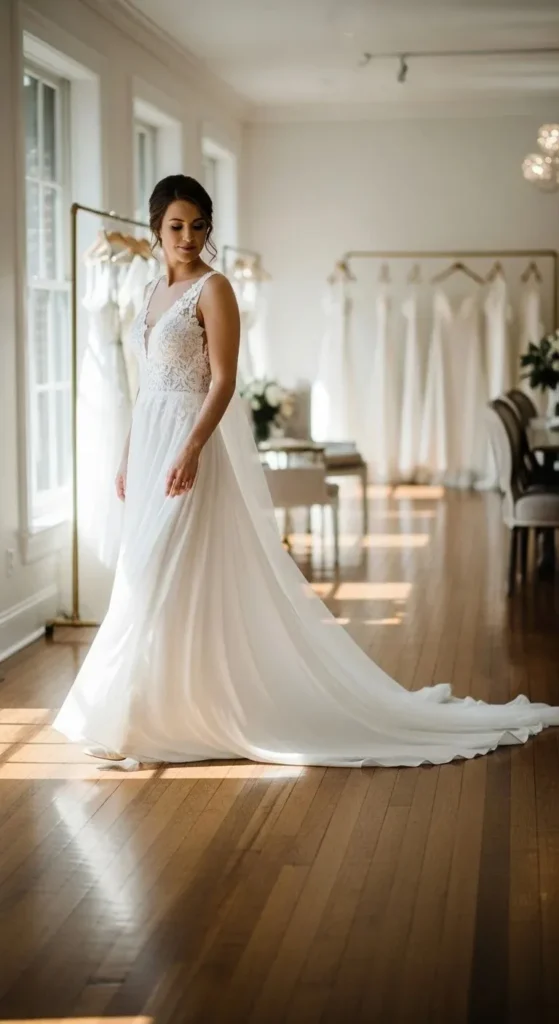
Don’t just pose.
Sit down. Lift your arms.
Can you breathe easily?
Imagine wearing it for hours.
Comfort matters as much as looks.
Notice Your First Reaction
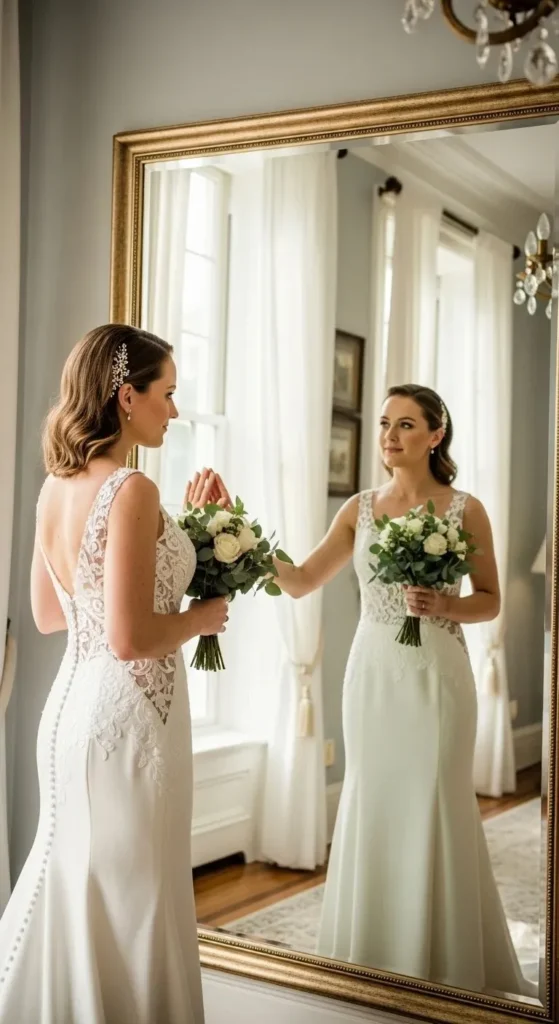
Did you smile immediately?
Did you feel confident?
Take one quiet moment alone.
Your instinct often knows before anyone else does.
Ask About Alteration Costs
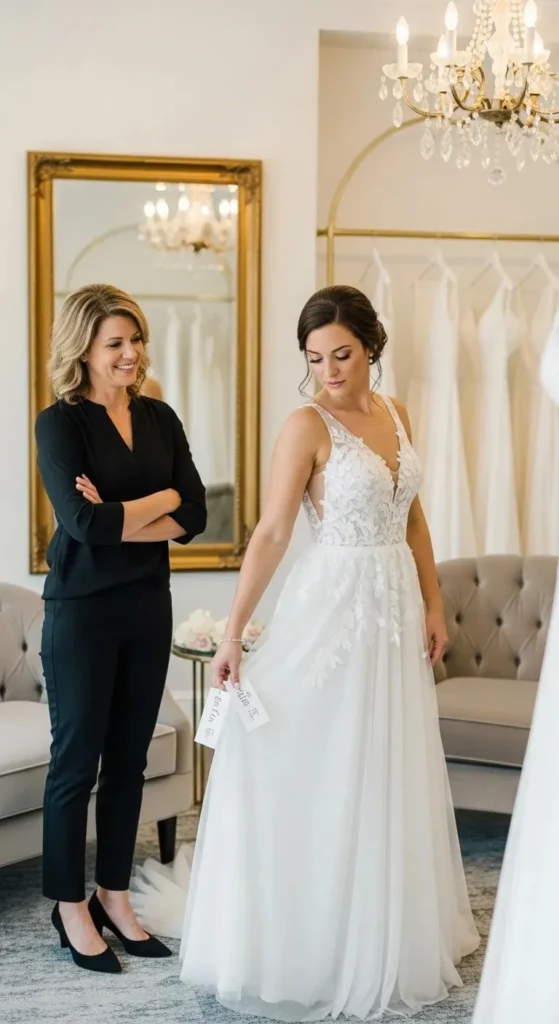
Alterations are rarely included.
Ask for average ranges.
Simple hems cost less than reshaping bodices.
Budget extra from the start.
Check Sample Sales
Sample sales offer major discounts.
Inspect dresses carefully for wear.
Factor in cleaning or repairs.
Great option for shorter timelines.
Match the Dress to Your Venue
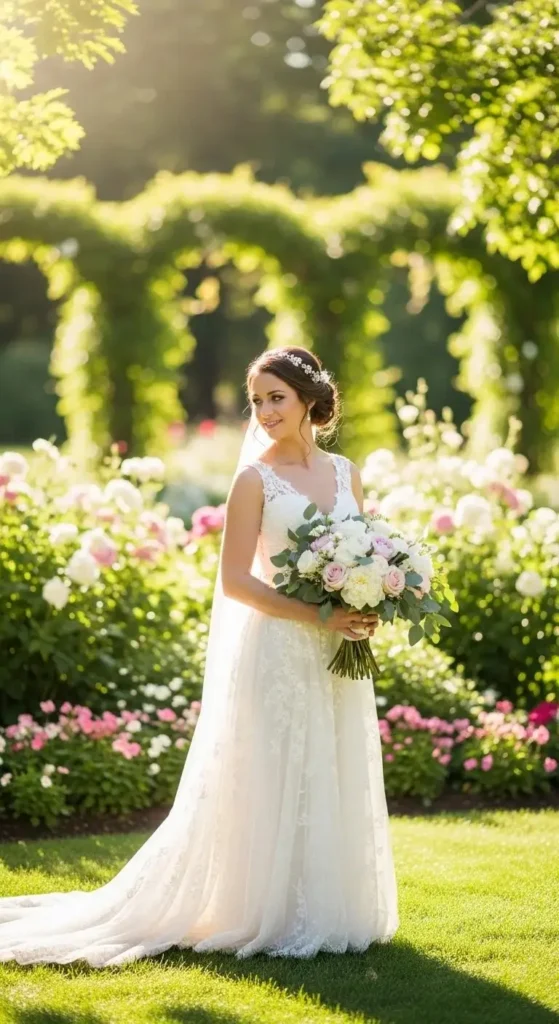
Beach weddings call for lighter fabrics.
Ballrooms suit structured gowns.
Garden settings pair well with flowy silhouettes.
Venue clarity reduces choices fast.
Wait Before Buying Accessories
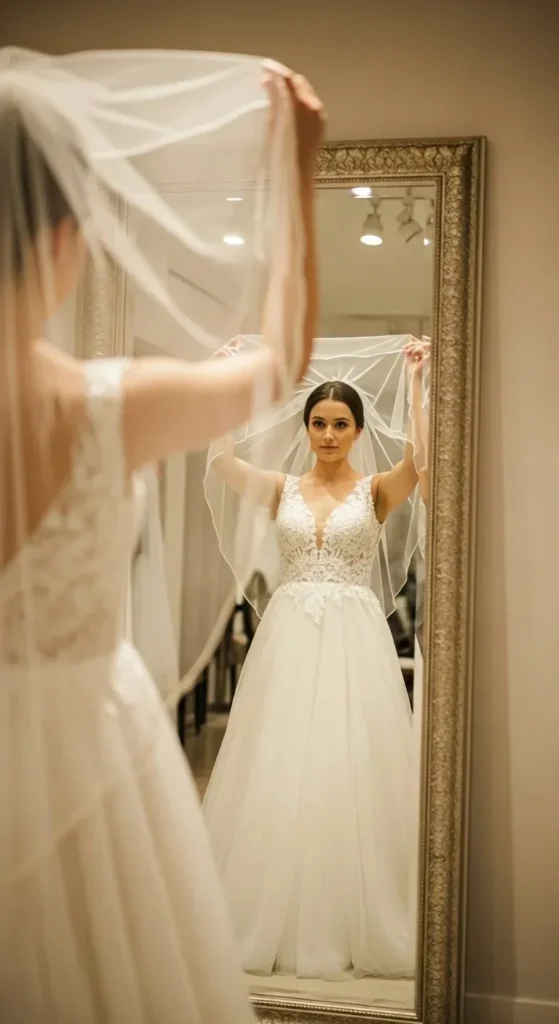
Choose the dress first.
Then match veil and jewelry.
Buying everything together can lead to regret.
Stay focused on one decision at a time.
Start Early But Not Too Early

Begin shopping 8–12 months before the wedding.
Earlier than that can lead to second thoughts.
Late shopping limits options.
Timing matters.
Stop Browsing After You Buy
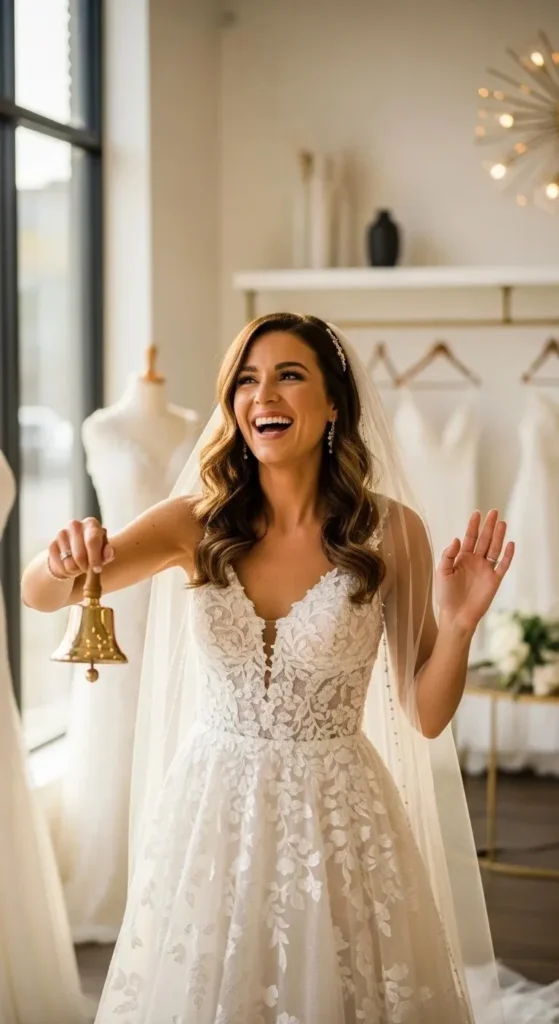
Delete saved dress boards.
Stop comparing online.
Confidence grows when scrolling stops.
Take Photos for Comparison

Ask if photos are allowed.
Review them later at home.
Clear comparison helps decision-making.
Read Boutique Reviews
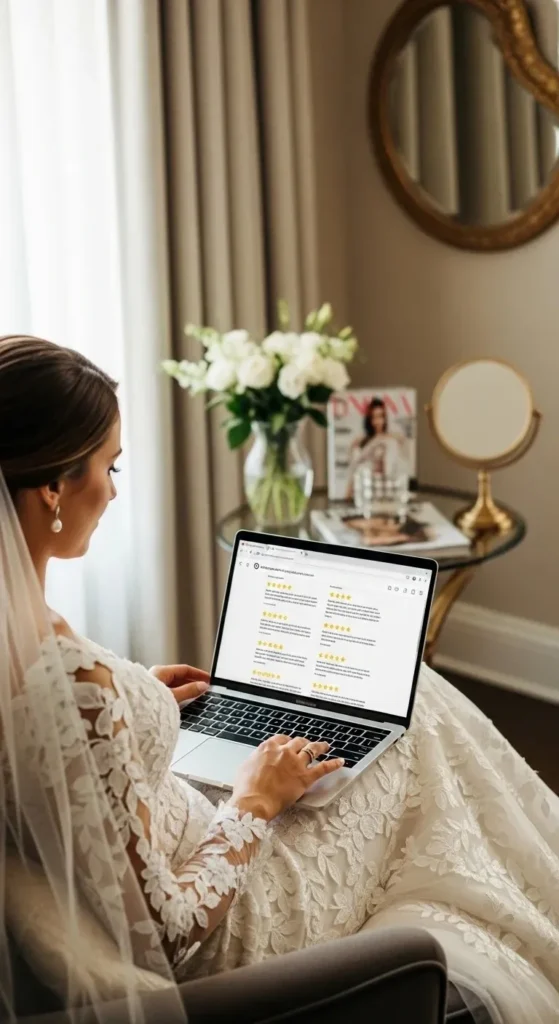
Look for comments about service and alteration quality.
A supportive consultant saves time.
Good tailoring prevents stress later.
Ask About Custom Changes
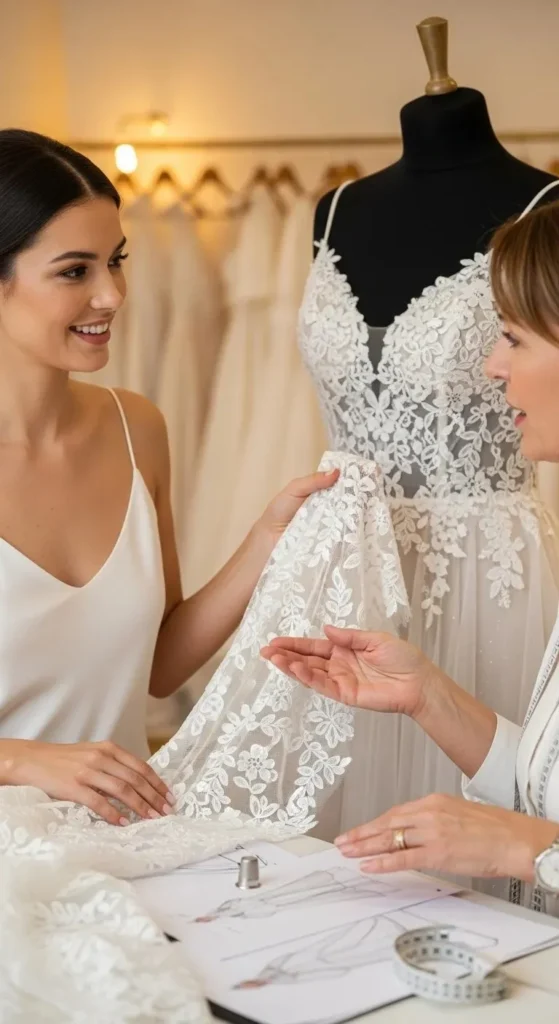
Can sleeves be added?
Can neckline be raised?
Minor adjustments personalize a gown affordably.
Large redesigns increase costs.
Clarify limits early.
Attend a Trunk Show
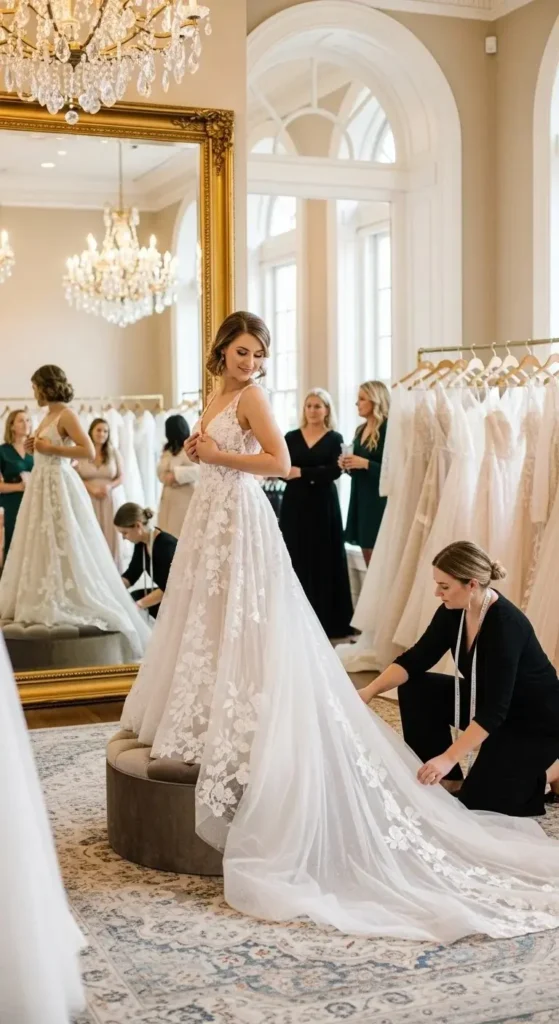
Designers showcase extended collections.
Sometimes small discounts apply.
Book early; spots fill fast.
Good way to see more options in one visit.
Understand Return Policies
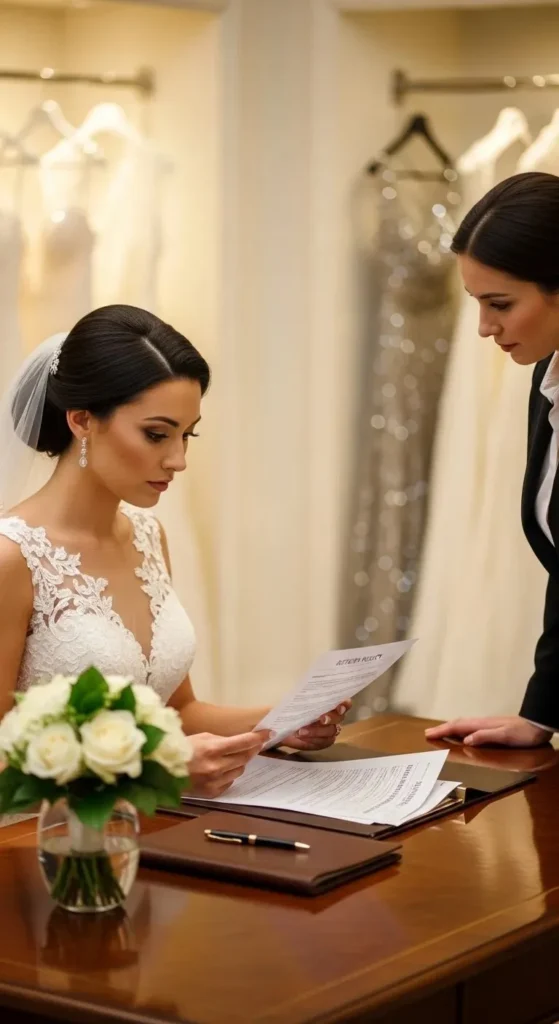
Most wedding dresses are final sale.
Read paperwork carefully.
Ask questions before signing.
Clarity prevents regret.
Shop With Confidence, Not Pressure
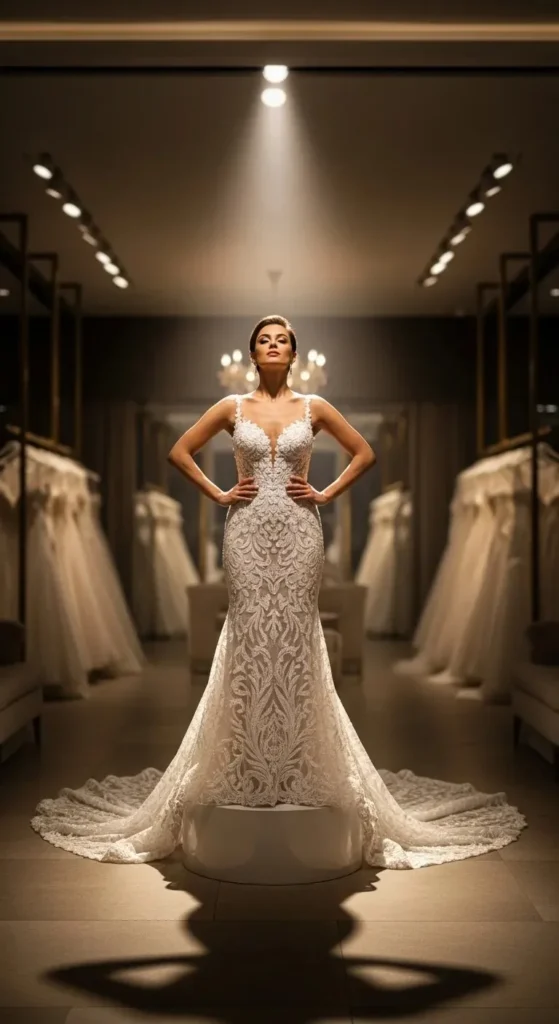
Don’t feel rushed by sales timelines.
If unsure, sleep on it.
A calm decision feels better than panic buying.
Create a Simple Mood Board
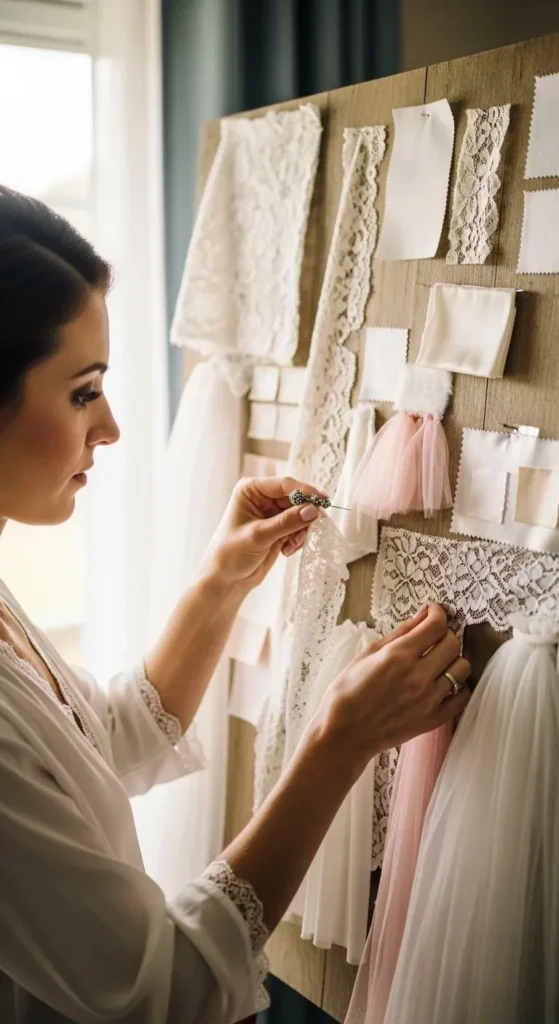
Print two or three favorites.
Pin them together.
Seeing them side by side clarifies preference.
DIY planning costs nothing.
Narrow Down to Two Finalists
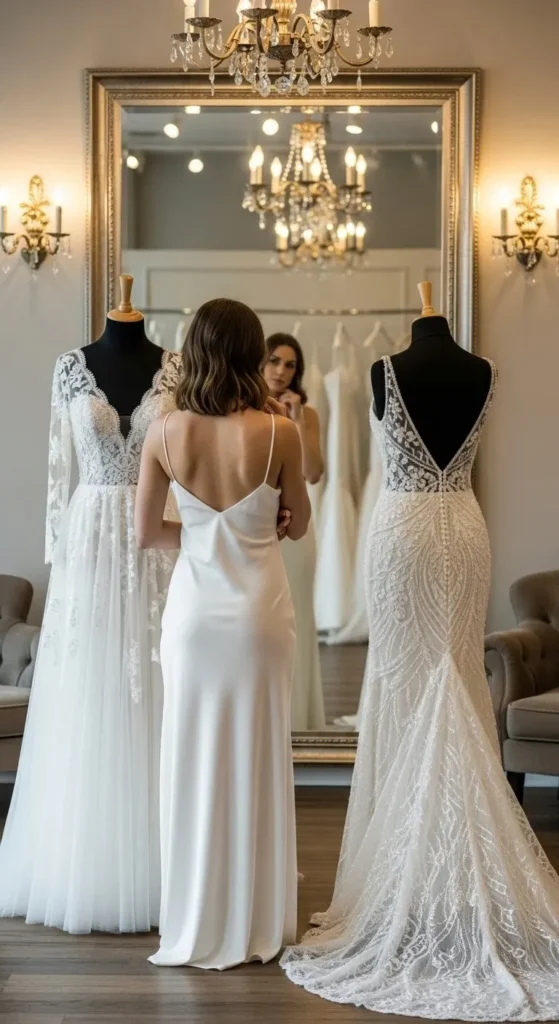
Avoid keeping five options open.
Pick your top two.
Compare comfort, price, and reaction.
Then decide.
Schedule Fittings Early
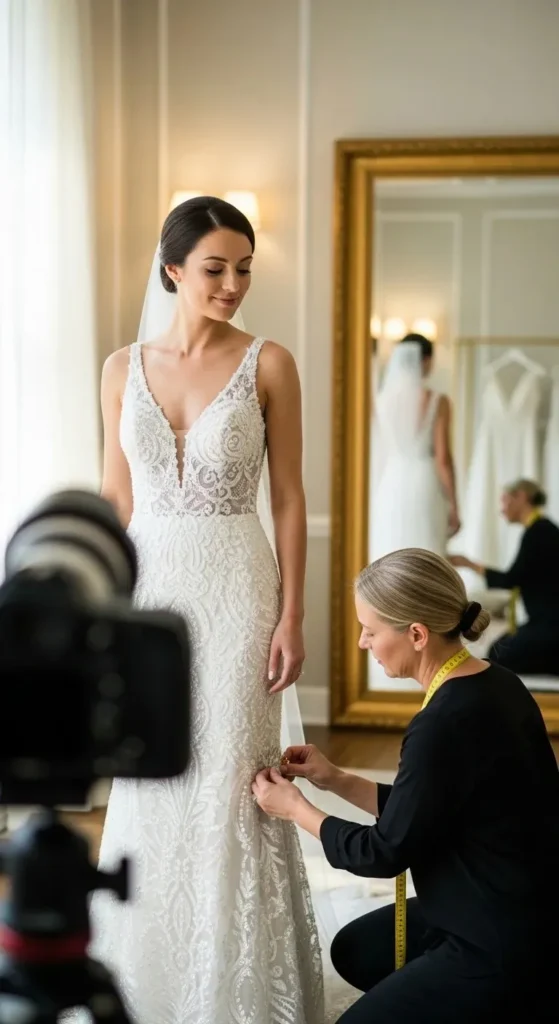
Book alteration appointments in advance.
Bring shoes to final fitting.
Walk around fully dressed.
Last-minute changes add stress.
Track Every Payment

Keep receipts.
Note deposit dates and balance deadlines.
Simple tracking avoids late fees.
Organization saves time.
Trust Your Decision

Once chosen, commit to it.
Confidence shows in photos.
The right dress feels like you.
No constant comparison needed.
Conclusion
Wedding dress shopping becomes easier when you prepare, set boundaries, and stay focused. A clear budget, smart scheduling, honest communication, and simple organization can save hours of stress and protect your wallet. Keep your circle small, trust your instinct, and remember that comfort matters as much as beauty. With these 28 practical tips, you can walk into every boutique calm, confident, and ready to say yes without wasting time.