
A wedding day timeline sets the rhythm for everything that follows. When timing slips, stress shows up fast. When timing feels calm, the day flows with ease. Couples searching for wedding timeline tips usually want one thing—less chaos and more space to enjoy the moments they planned for months. The ideas below focus on realistic pacing, simple planning habits, and budget-friendly fixes that work for real weddings, not just styled shoots. Small choices made early can shape the entire day in a good way.
Start the Day Earlier Than You Think
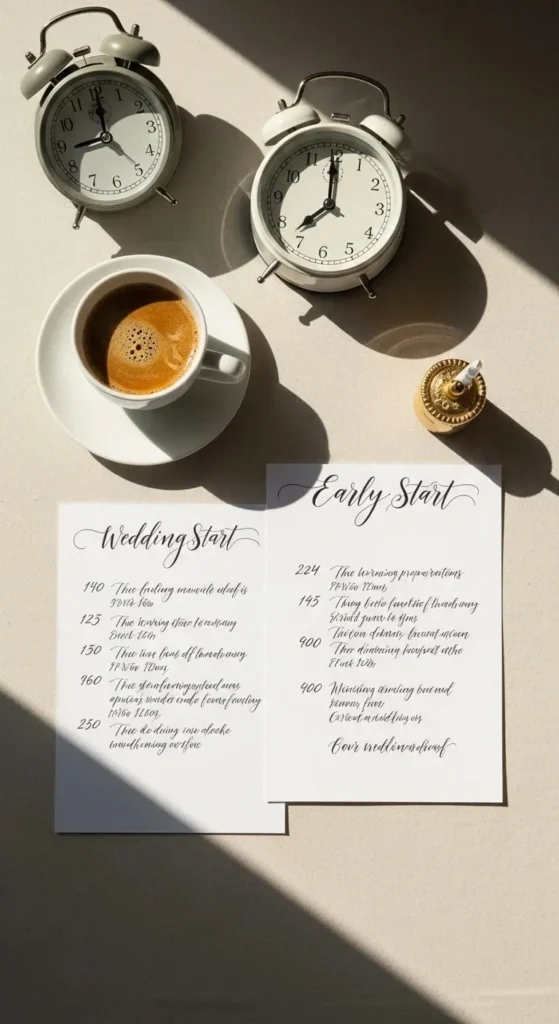
Morning time disappears faster than expected. Hair runs late. Makeup takes longer. Someone forgets shoes. Starting earlier gives breathing room. Add 30 to 45 minutes to the very first activity. That buffer often saves the rest of the schedule. A relaxed morning shows in photos and moods. If budget is tight, skip extra services instead of cutting time. Ask vendors when they prefer to start. Many stylists work faster without rush. Build a simple printed schedule and tape it to the mirror. This keeps everyone aligned. Early starts also allow quiet moments before guests arrive. Those calm minutes matter more than people expect.
Build in Quiet Time Before Getting Ready

Silence before the noise helps steady nerves. Schedule 15 minutes alone before hair and makeup. No phone. No visitors. Just breathing space. This costs nothing and helps more than extra decor. Couples who add this time often feel calmer through the ceremony. Place it on the timeline like any other task. Friends respect written plans more than verbal ones. If space is shared, step outside or sit near a window. Even a parked car works. This pause sets the tone for the day.
Limit the Getting-Ready Guest List
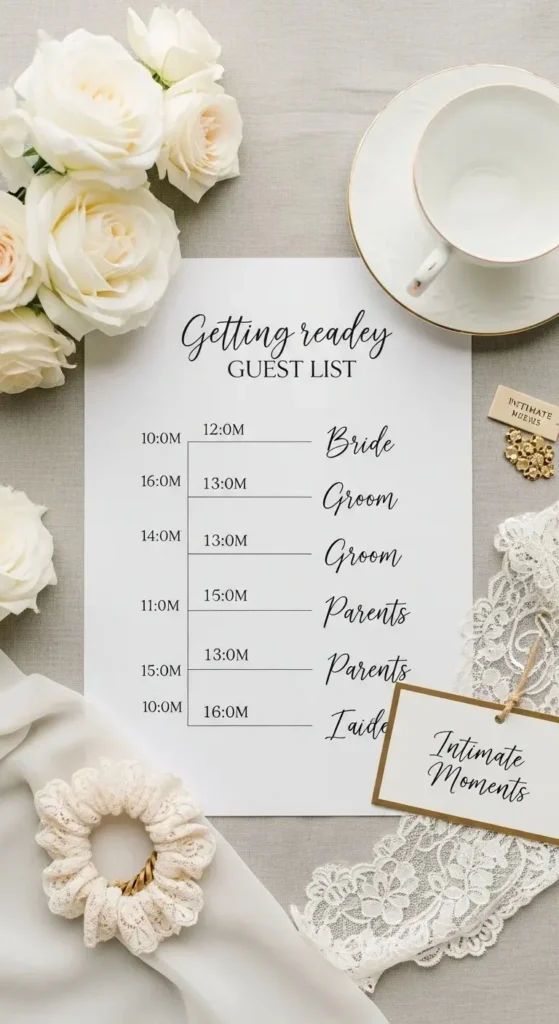
Crowded rooms slow everything down. More people mean more opinions, photos, and distractions. Keep the getting-ready space small. Invite only those directly involved. Others can join later. This saves time without spending money. Less movement helps stylists work faster. It also keeps belongings from going missing. Share this plan early to avoid hurt feelings. A simple message works. Calm spaces lead to smoother mornings.
Pad Hair and Makeup With Extra Time
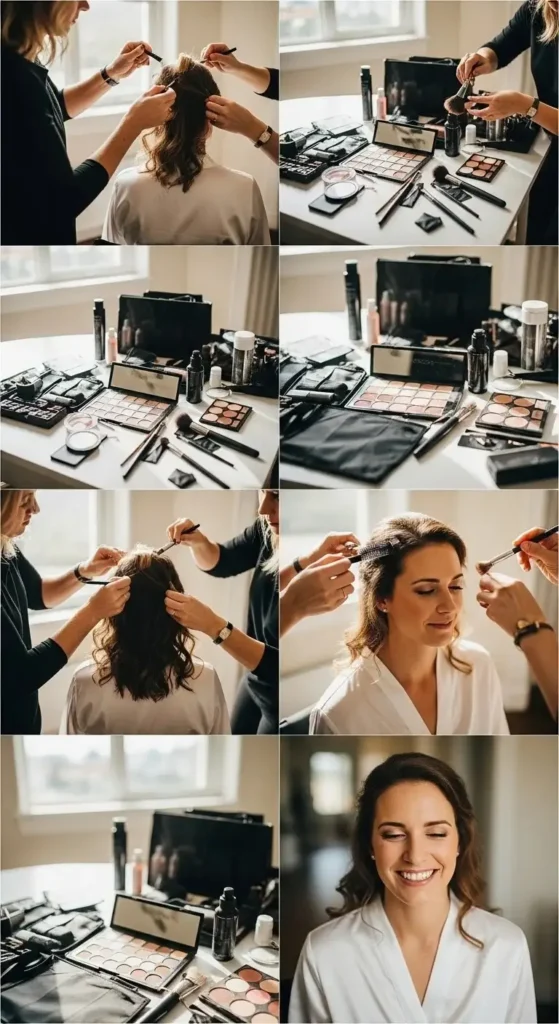
Hair and makeup almost always stretch longer than planned. Add extra minutes per person. Ten minutes each adds up fast. This padding protects the ceremony start. If time finishes early, great. Use it for photos or snacks. Keep a printed order list so artists move smoothly. Group styles with similar looks together. This saves both time and money.
Schedule Getting-Dressed Time, Not Just the Outfit
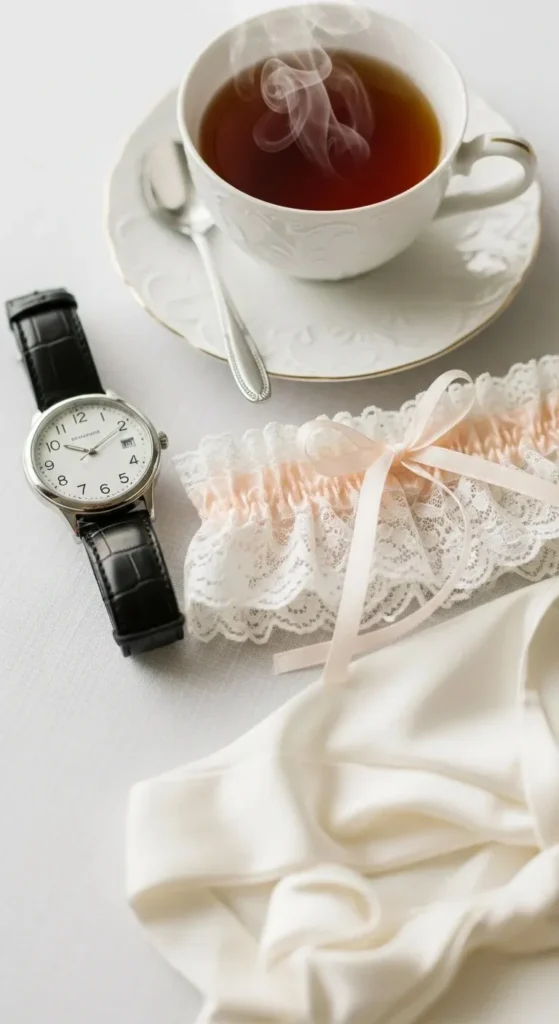
Dresses take longer than expected. Buttons, hooks, and accessories add minutes. Block real time for getting dressed. Include shoes and jewelry. Assign one helper who knows the outfit well. This avoids crowding. Practice once before the wedding day. That practice often cuts time in half.
Keep Snacks Close All Morning
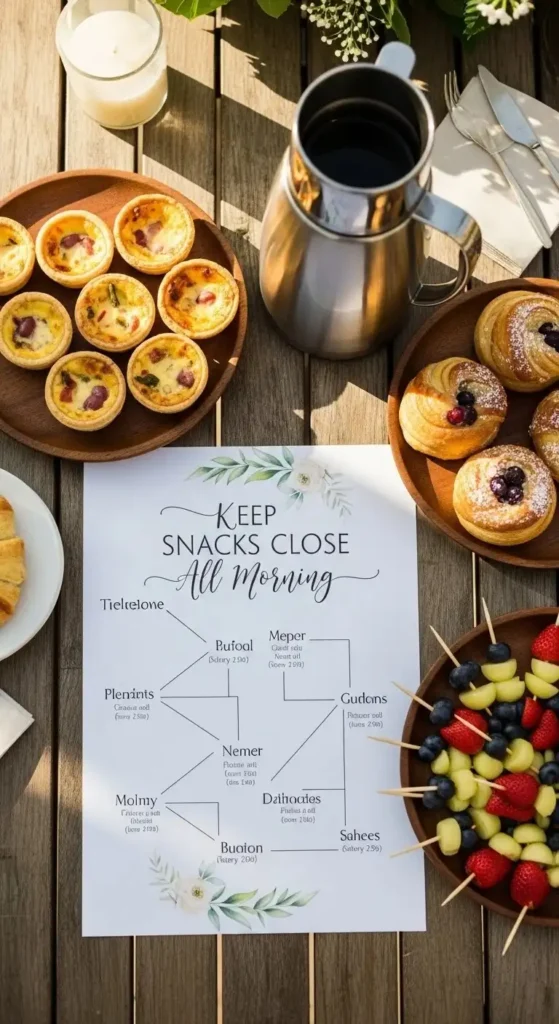
Hunger causes delays and bad moods. Keep simple snacks nearby. Granola bars, fruit, and nuts work well. This costs little and saves time. Ask someone to manage snacks so no one forgets. Avoid messy foods. Eating small bites between tasks keeps energy steady.
Plan First Look Timing Carefully
First looks save time later but require planning. Schedule it after full dressing and touch-ups. Choose a quiet spot close to the getting-ready area. This cuts travel time. Build space for private reactions. Fifteen minutes works well. After photos, many portraits get finished early, freeing time later.
Group Photos by Relationship
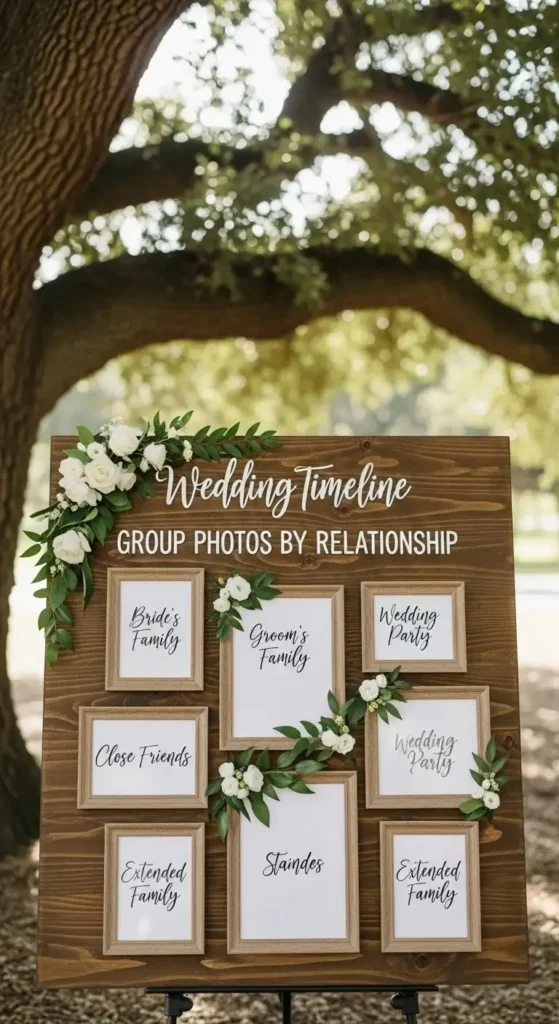
Photo time drags when people wander off. Group photos by family or friend circles. Share the list with the photographer and helpers. Assign one loud friend to gather people. This saves stress and keeps smiles real. Printed lists work better than phones.
Schedule Travel With Extra Minutes
Traffic surprises everyone. Add extra travel time between locations. Even short drives run late on busy days. This buffer avoids rushed arrivals. Choose nearby photo spots to cut driving. Fewer locations mean more time enjoying the day.
Keep Ceremony Start Simple
Complex entrances delay ceremonies. Simple orders keep things smooth. Practice once with the wedding party. This takes minutes and saves confusion. Share the order clearly. Calm starts help guests settle faster.
Set a Firm Ceremony End Window
Ceremonies often run long without notice. Agree on a rough end time. Share it with the officiant. This keeps the reception on track. Shorter ceremonies hold attention better. Guests appreciate pacing.
Plan a Short Buffer After the Ceremony
Guests linger. Hugs happen. Photos pop up. Add a short gap after the ceremony. Ten minutes works well. This keeps later events steady. Buffers reduce panic.
Combine Cocktail Hour With Portraits
Cocktail hour offers free time for photos. Guests stay busy while portraits happen. This avoids long waits later. Choose nearby photo spots. Fewer moves save minutes.
Limit Reception Entrance Variations
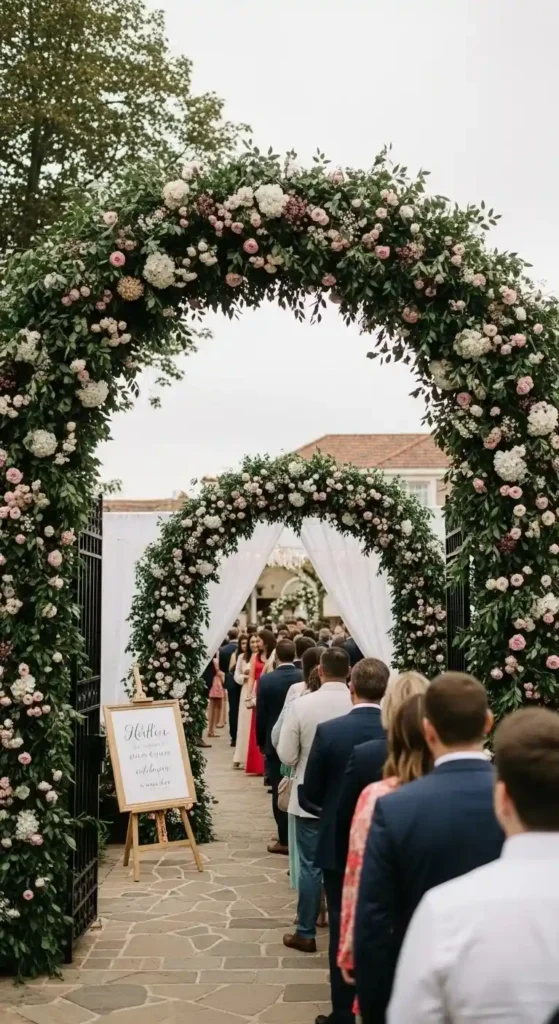
Multiple entrances slow dinners. Keep introductions short. Skip individual announcements if time feels tight. One group entrance works well. Guests focus more on food and conversation.
Serve Dinner Soon After Seating
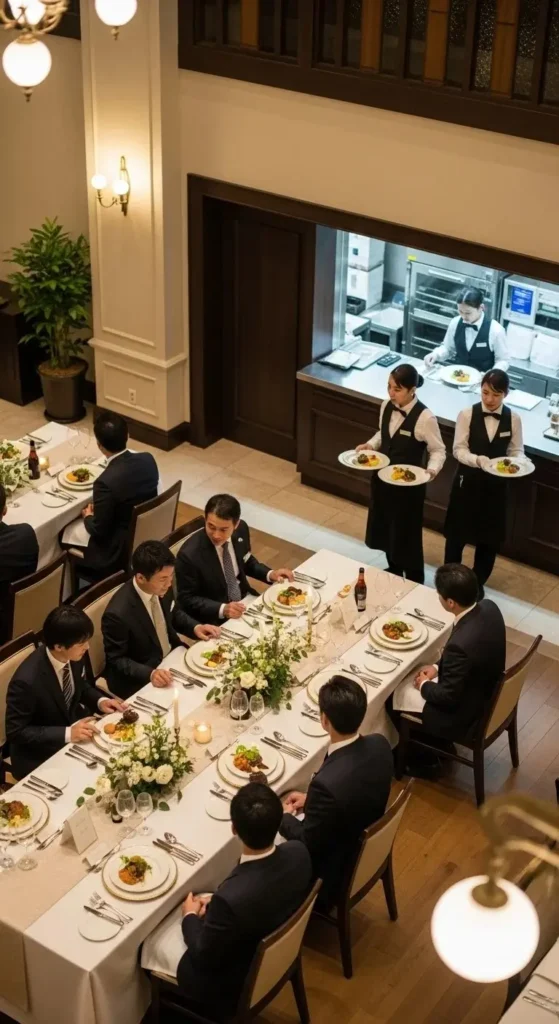
Long waits before dinner drain energy. Coordinate seating with catering. Serve within 15 minutes if possible. This keeps guests happy. Fewer complaints mean smoother pacing.
Keep Speeches Short and Planned
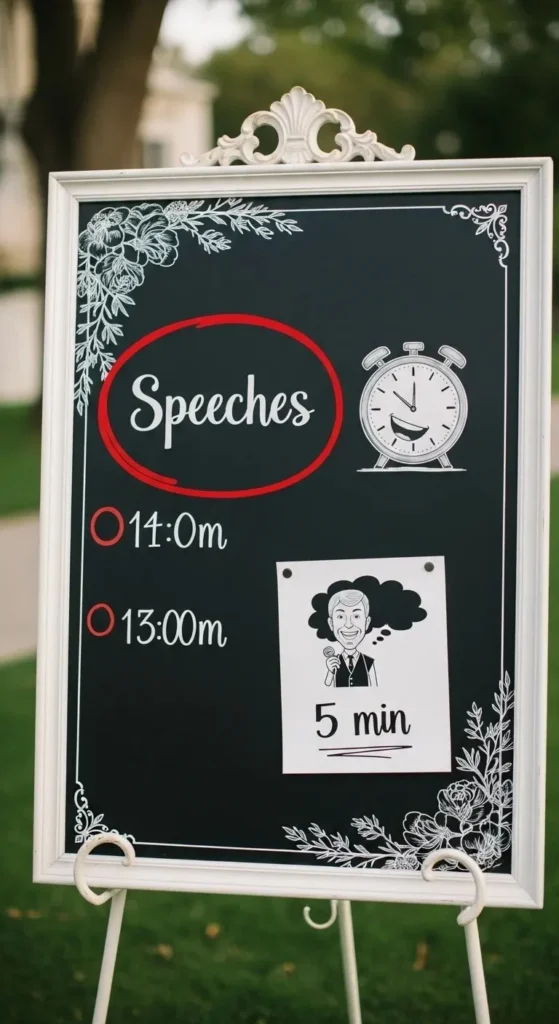
Speeches often run long. Set time limits early. Three minutes per speaker works well. Ask speakers to practice once. Short speeches keep attention high.
Schedule Cake Cutting Before Dancing Peaks
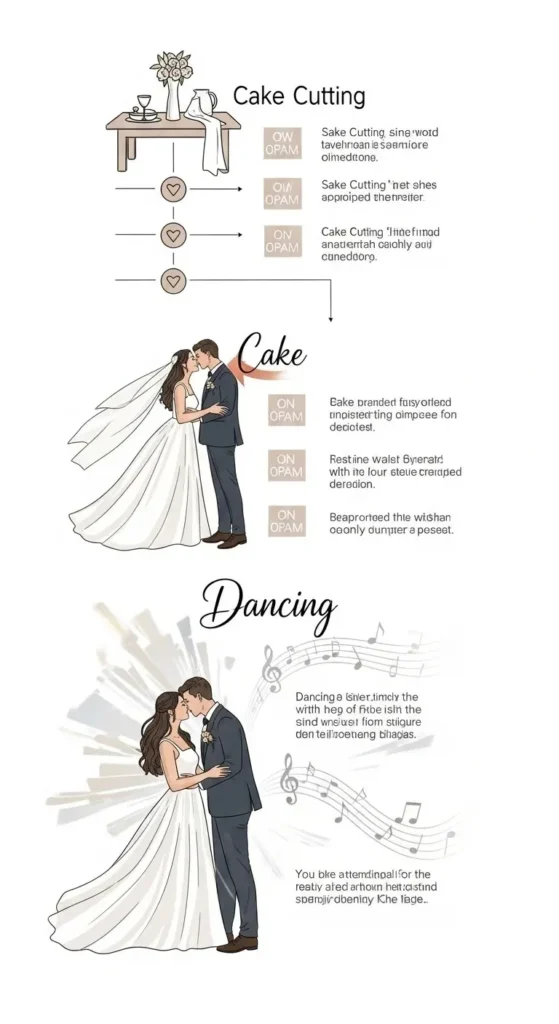
Cake cutting draws crowds. Do it before dance floors fill. This avoids pulling guests away. Photos feel better with more people present.
Plan the First Dance Early
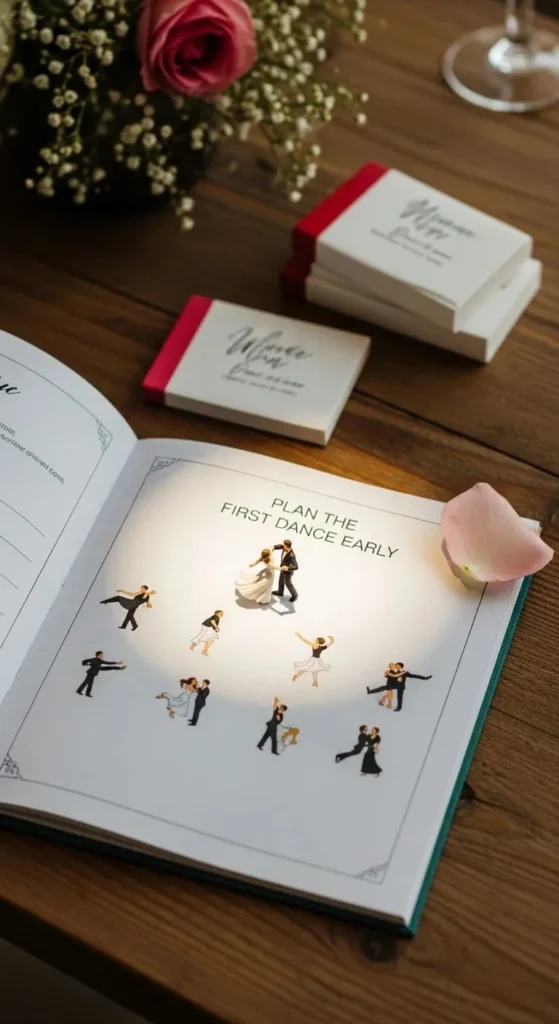
Early first dances set the mood. Guests stay engaged. It also opens the dance floor sooner. Short songs work best. Practice once at home to feel relaxed.
Keep Open Dancing Flexible
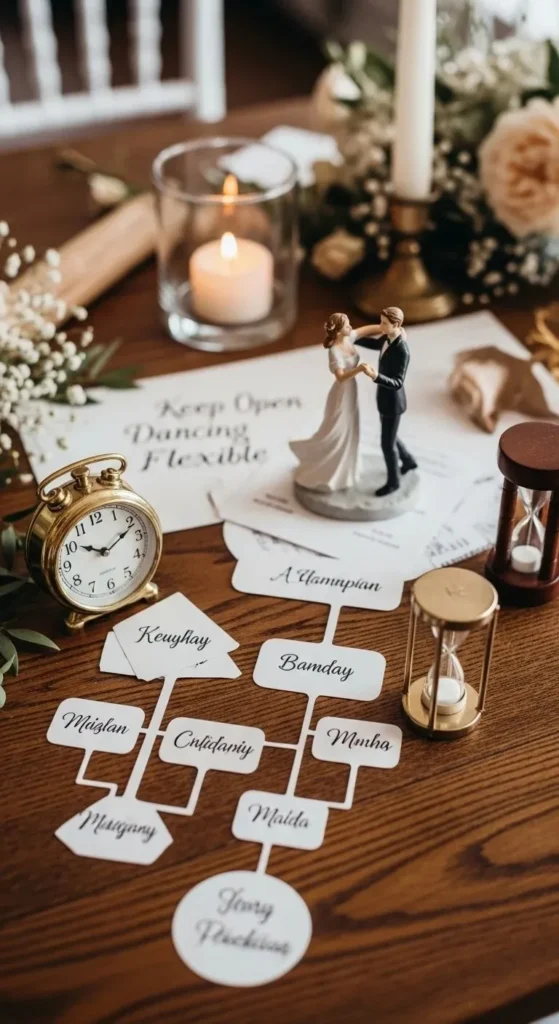
Open dancing flows better without strict timing. Let guests move naturally. DJs read energy better than schedules. Trust simple pacing.
Schedule Vendor Meals Early
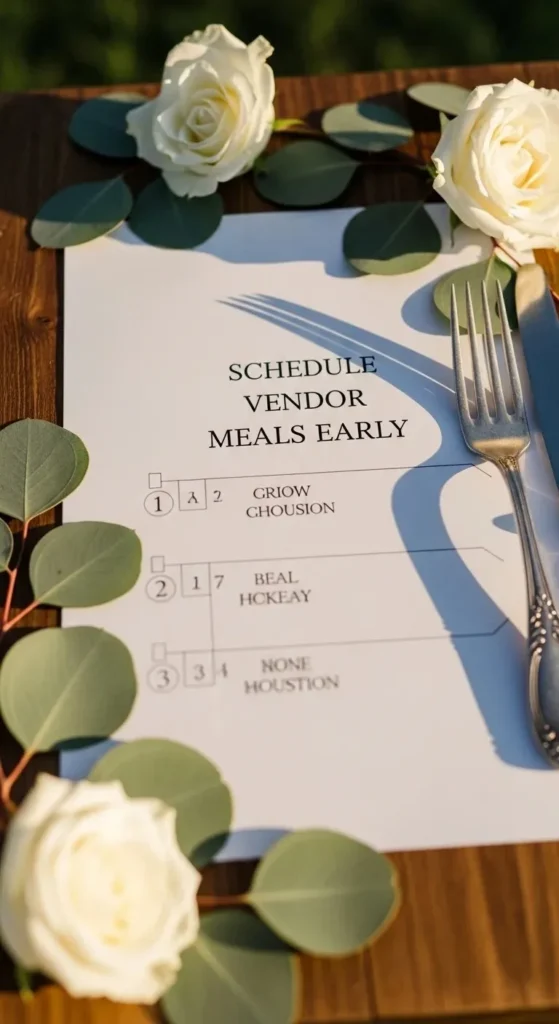
Vendors eat quickly when planned well. Feed them early so they’re ready for key moments. This keeps service smooth. Vendor meals often cost less than guest plates.
Plan Exit Timing Realistically
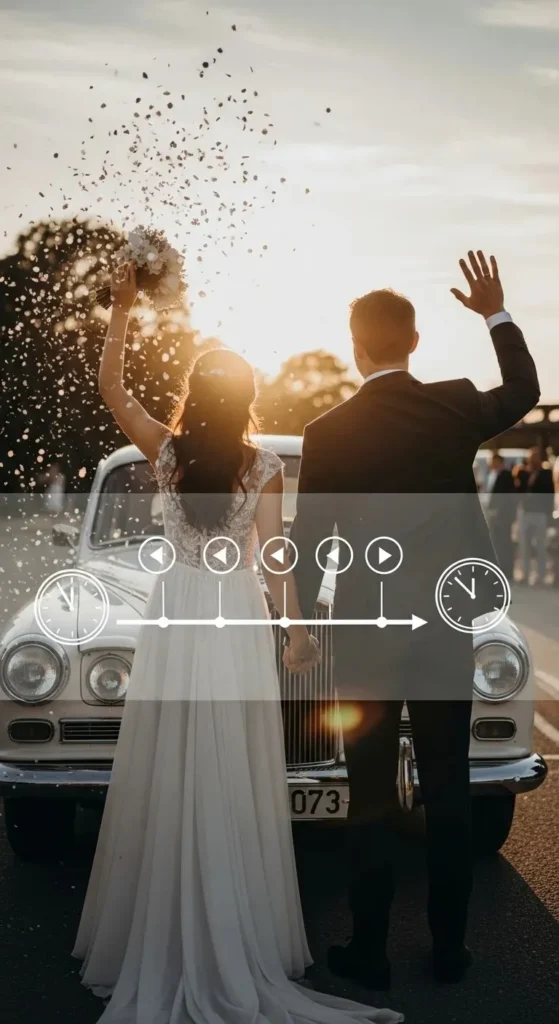
Grand exits take setup time. Schedule them when guests are still present. Late exits lose energy. Keep supplies simple to save time and money.
Assign One Timeline Point Person
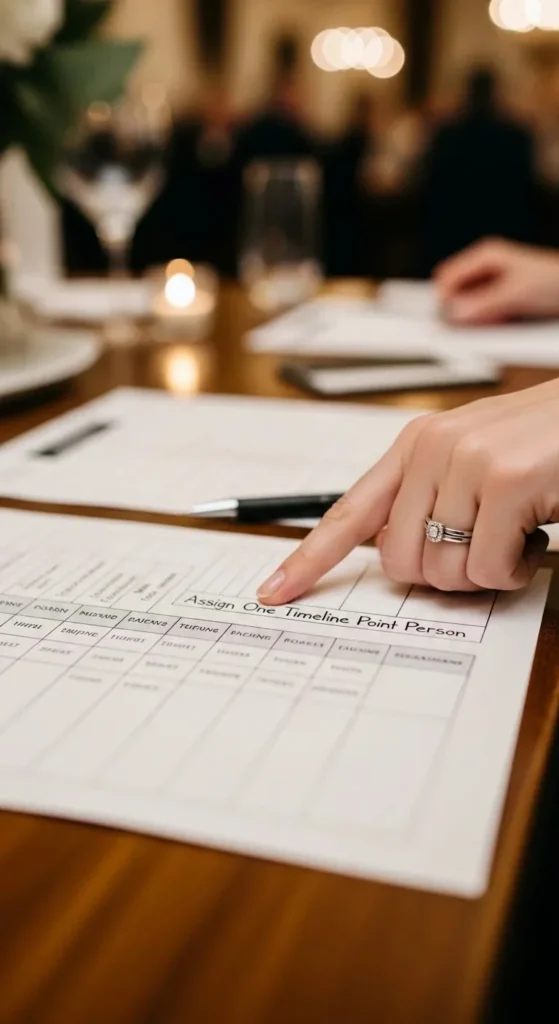
One person should watch the clock. This can be a friend or coordinator. Couples shouldn’t manage timing. Clear roles reduce stress.
Print the Timeline for Key People
Printed timelines beat texts. Phones die. Paper lasts. Share copies with vendors and helpers. Simple lists work best.
Add End-of-Day Wind-Down Time
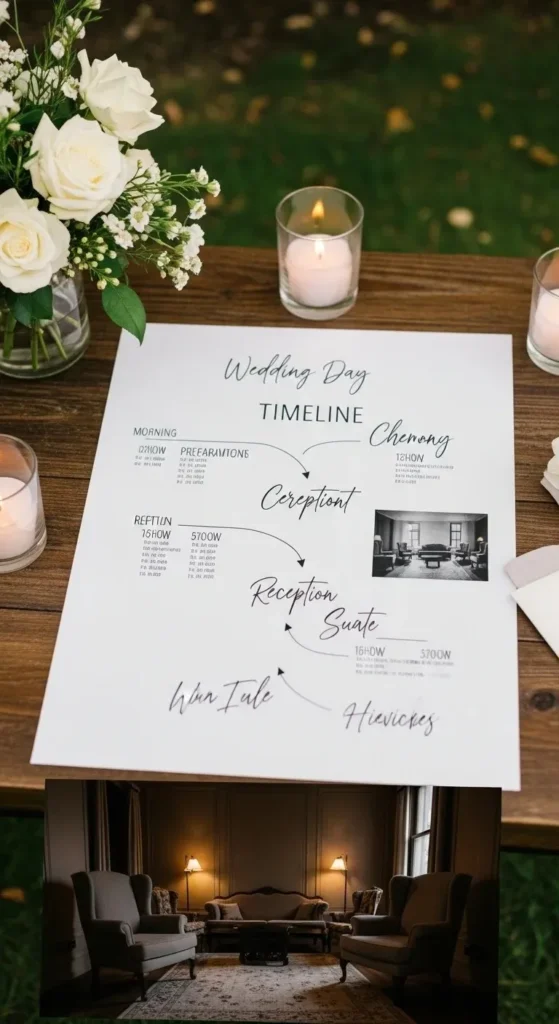
The day ends fast. Add quiet time after the exit. Even ten minutes helps. Couples remember this moment clearly. It’s worth planning.
Conclusion
A wedding timeline shapes how the day feels from start to finish. Small buffers, simple choices, and clear roles prevent stress from taking over. You don’t need complex schedules or extra spending to keep things steady. Pick a few ideas from this list and apply them early. A calm plan creates space for laughter, connection, and memories that last long after the music stops.