
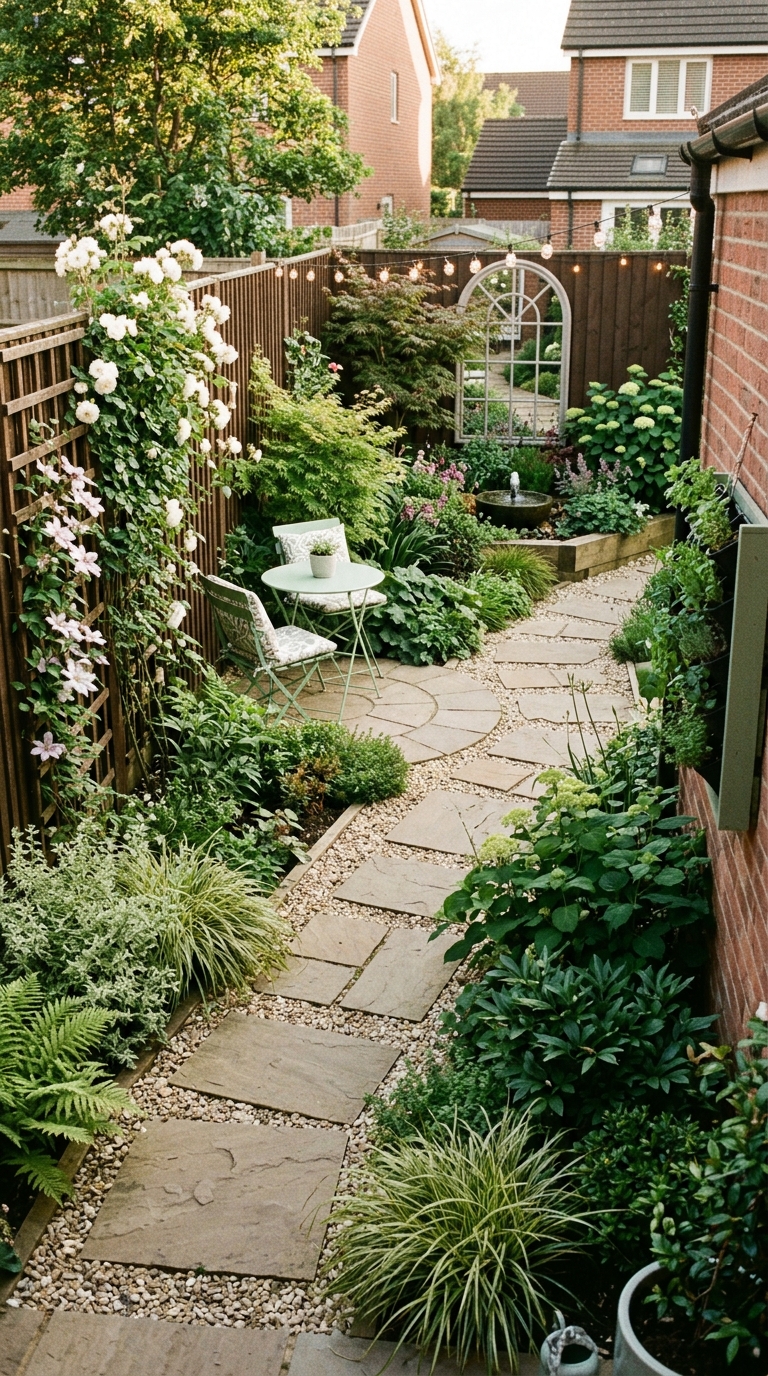
Let’s be honest—small gardens can feel limiting.
You step outside, look at your space, and think: “There’s no way I can make this look impressive.” But here’s the truth most people miss…
👉 A small garden isn’t a disadvantage—it’s a design opportunity.
With the right layout strategies, you can make even the tiniest outdoor space feel open, airy, and visually three times larger. It’s not about adding more—it’s about designing smarter.
In this guide, you’ll discover powerful, practical layout ideas that transform cramped spaces into stunning, spacious-looking gardens—whether you have a backyard, patio, balcony, or side yard.
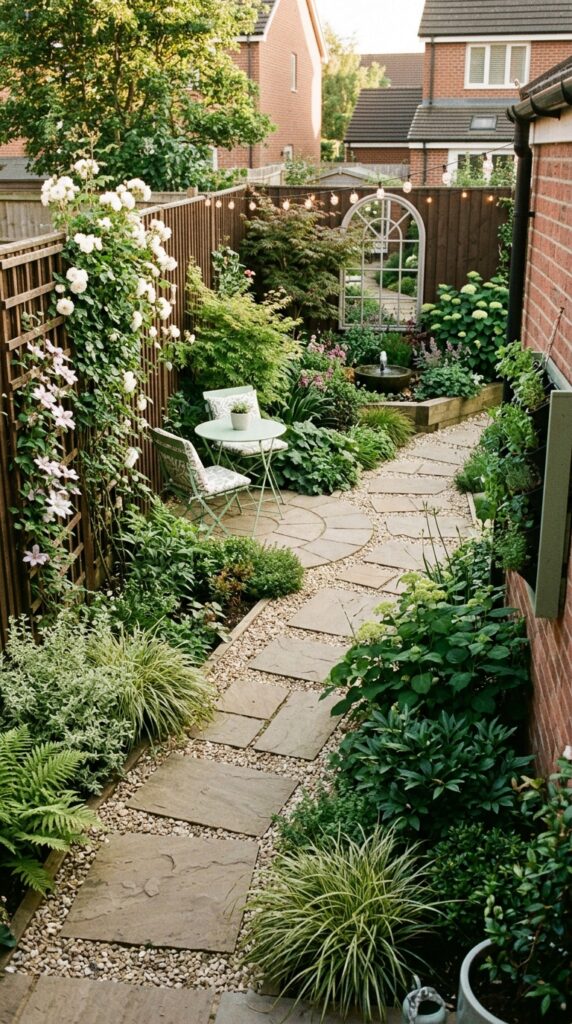
Why Garden Layout Matters More Than Size
Before jumping into ideas, let’s get one thing clear:
A poorly designed large garden can feel cluttered and overwhelming.
A well-designed small garden can feel luxurious and expansive.
The secret lies in:
- Visual flow
- Smart zoning
- Depth and perspective
- Strategic plant placement
Once you understand these principles, everything changes.
1. Create Clear Zones (Even in Tiny Spaces)
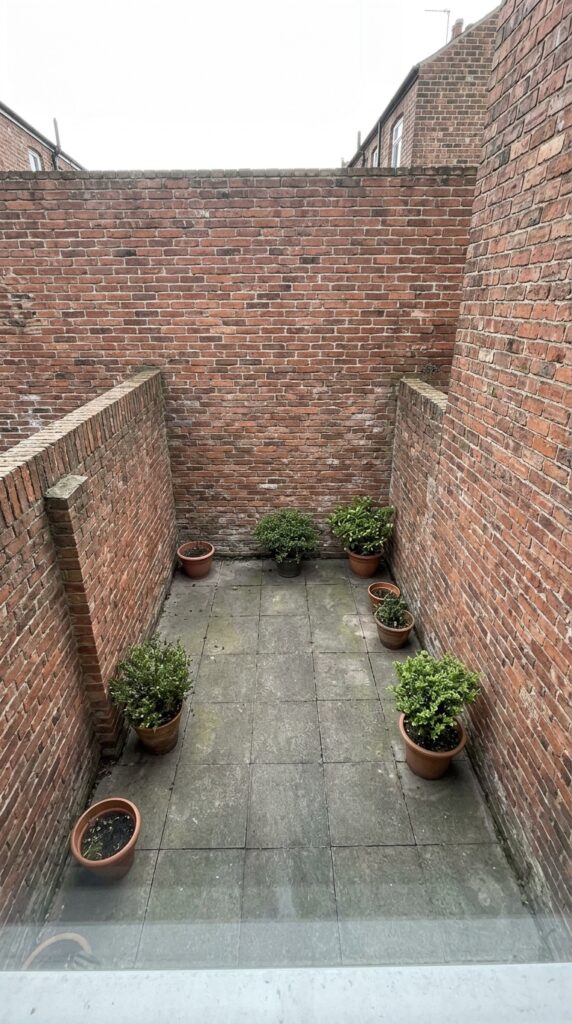
One of the biggest mistakes people make is treating a small garden as one single area.
That’s exactly what makes it feel cramped.
Instead, divide your space into zones:
- Seating area
- Planting area
- Pathway or transition space
Why It Works
Breaking your garden into sections tricks the eye into thinking the space is larger than it actually is.
How to Do It
- Use planters, rugs, or small borders
- Add a bench or chair to define a “room”
- Slightly vary materials (wood, gravel, stone)
Pro Tip
Even two zones are enough to create a sense of depth.
2. Use Diagonal Layouts (The Optical Illusion Trick)
Straight lines make spaces feel shorter.
Diagonal lines stretch them.
What to Do
- Lay pathways diagonally across the garden
- Position furniture at angles
- Arrange planters in staggered layouts
Why It Works
Diagonal lines force the eye to travel farther, creating the illusion of a larger area.
Where It Works Best
- Small backyards
- Square patios
- Narrow gardens
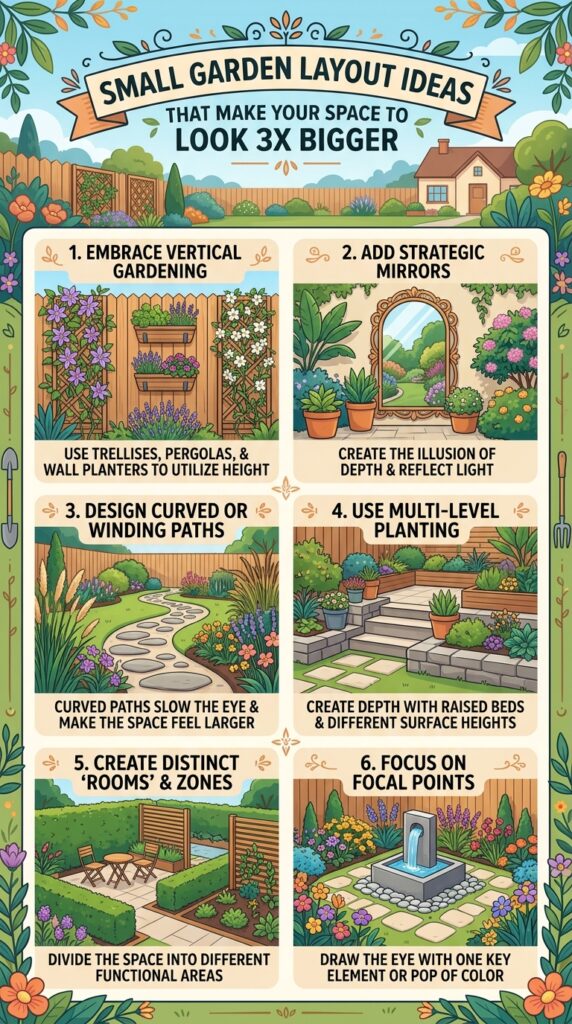
3. Go Vertical (Without Overcrowding)
You already know vertical gardening saves space—but here’s the trick:
👉 Use vertical elements to draw the eye upward, not clutter the space.
Smart Vertical Ideas
- Trellises with climbing plants
- Wall-mounted planters
- Tall, slim plant stands
What to Avoid
- Thick, bulky structures
- Overloading walls with too many pots
Why It Works
Height adds dimension. Your garden stops feeling flat and starts feeling layered.
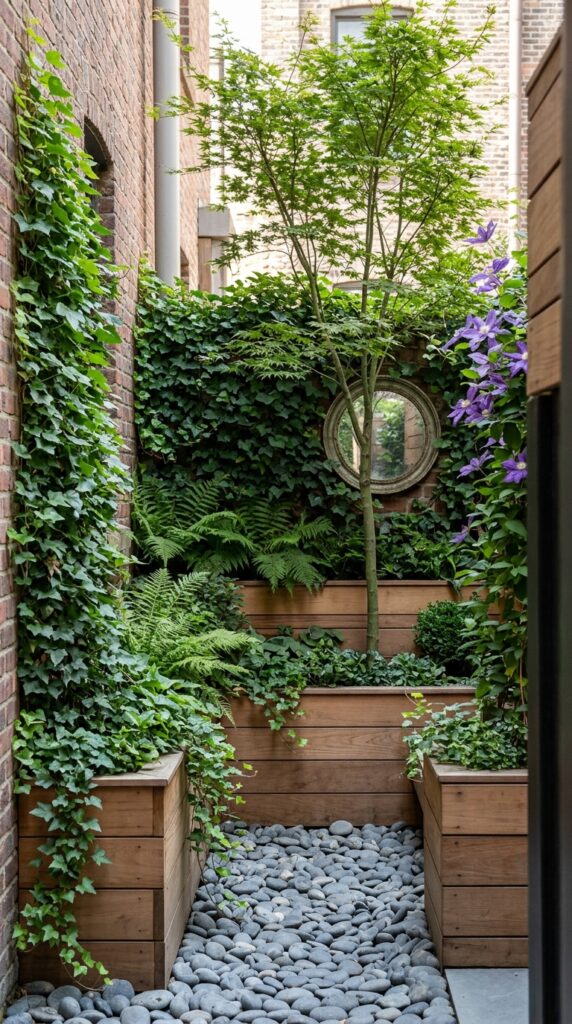
4. Stick to a Limited Color Palette
Too many colors can make a small space feel chaotic.
Instead:
Choose 2–3 main colors and repeat them.
Example Combinations
- Green + white + wood tones
- Soft pastels + gray
- Black + green + terracotta
Why It Works
Consistency creates visual harmony, which makes the space feel calmer—and bigger.
Pro Tip
Use lighter colors for walls, fences, and flooring to reflect light.
5. Use Mirrors to Double the Space (Seriously)
This might sound like an indoor trick—but it works incredibly well outdoors.
How to Use Mirrors in a Garden
- Mount on a fence or wall
- Place behind plants to reflect greenery
- Use window-style mirror frames
Why It Works
Mirrors create the illusion of depth and “fake” extra space.
Pro Tip
Position mirrors where they reflect plants—not empty walls.
6. Choose Multi-Functional Furniture
In a small garden, every inch counts.
Smart Choices
- Storage benches
- Foldable chairs
- Stackable furniture
- Planter boxes with seating edges
Why It Works
You reduce clutter while keeping functionality.
What to Avoid
- Bulky furniture
- Too many separate pieces
7. Create a Focal Point (But Only One)
Too many focal points confuse the eye.
One strong focal point anchors the entire space.
Ideas for a Focal Point
- A statement plant
- A water feature
- A fire pit
- A stylish seating setup
Why It Works
The eye is drawn to one area, making the rest of the garden feel more expansive.
8. Layer Your Plants (Front to Back Strategy)
Flat planting makes a garden feel small.
Layered planting adds depth.
How to Layer
- Short plants in the front
- Medium plants in the middle
- Tall plants at the back
Bonus Trick
Use slightly blurred or softer-texture plants in the background to create perspective.
Why It Works
It mimics how we perceive distance in nature.
9. Use Narrow Pathways (But Make Them Count)
You might think pathways waste space—but they actually enhance it.
Key Rule
Keep pathways narrow but visually clear.
Materials That Work Well
- Gravel
- Stepping stones
- Slim pavers
Why It Works
Pathways guide the eye and create movement, making the garden feel larger.
10. Blur the Boundaries
Sharp edges make a garden feel boxed in.
How to Soften Boundaries
- Let plants spill over edges
- Use climbing plants on fences
- Add layered greenery near borders
Why It Works
When edges are less defined, the space feels more open and continuous.
11. Use Repetition for a Cohesive Look
Repeating elements creates rhythm—and rhythm creates space.
What to Repeat
- Plant types
- Pot styles
- Colors
- Materials
Why It Works
Your eye moves smoothly across the garden instead of stopping at every new detail.
12. Keep the Center Open
This is one of the simplest yet most powerful tricks.
What to Do
- Avoid placing large objects in the middle
- Push furniture and plants toward the edges
Why It Works
An open center creates breathing room, instantly making the space feel bigger.
13. Use Raised Beds Strategically
Raised beds can define space without closing it off.
Best Practices
- Keep them narrow
- Use them along edges
- Combine with seating
Why It Works
They add structure while maintaining openness.
14. Add Lighting for Depth at Night
A small garden can feel even smaller at night—unless you use lighting strategically.
Lighting Ideas
- String lights overhead
- Solar lights along pathways
- Spotlights on plants
Why It Works
Light creates layers and shadows, adding depth and dimension.
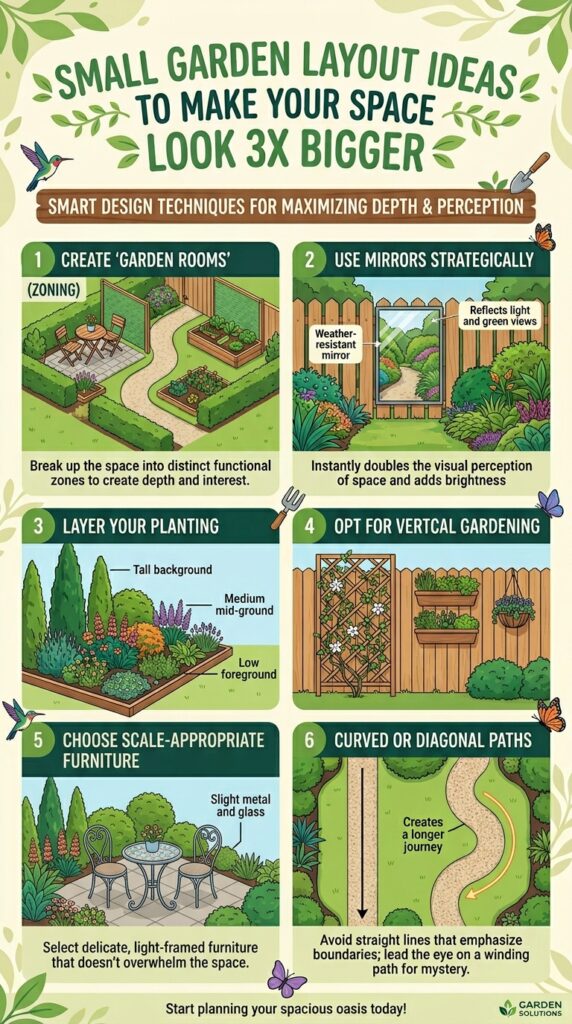
15. Think Minimal, Not Empty
Minimalism doesn’t mean boring—it means intentional.
What to Focus On
- Fewer, better-quality elements
- Clean lines
- Open space
What to Avoid
- Over-decorating
- Too many plant varieties
- Clutter
Common Mistakes That Make Small Gardens Feel Even Smaller
Avoid these, and you’re already ahead:
- Overcrowding with too many plants
- Using oversized furniture
- Ignoring vertical space
- Mixing too many styles
- Blocking natural light
Sample Layout Ideas (Quick Inspiration)
1. Tiny Balcony
- Vertical planters on wall
- Foldable chair
- Small round table
- Hanging plants above
2. Narrow Backyard
- Diagonal pathway
- Layered plants on one side
- Seating at the end (focal point)
3. Small Patio
- Outdoor rug to define zone
- Compact furniture set
- Wall-mounted greenery
Final Thoughts: It’s All About Perception
Here’s the mindset shift that changes everything:
👉 You don’t need more space—you need better design.
A small garden can feel:
- Cozy instead of cramped
- Stylish instead of messy
- Spacious instead of limited
Start with just 2–3 of these layout ideas, and you’ll immediately notice the difference.
Because once your garden feels bigger…
It changes how you use it, enjoy it, and show it off.
Quick Recap
- Divide your garden into zones
- Use diagonal layouts for depth
- Keep the center open
- Stick to a simple color palette
- Add vertical elements strategically
- Use mirrors and lighting for extra dimension