
When people think of a “luxury garden,” they often imagine:
- High-end landscaping
- Professional designers
- Expensive plants and materials
But here’s the truth designers rarely admit:
Most expensive-looking gardens are built on smart choices, not big budgets.
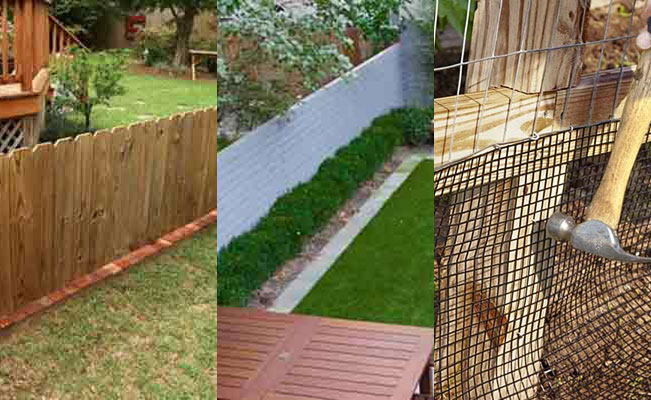
In fact, many low-maintenance gardens that go viral on Pinterest cost far less than traditional landscaping — and require less work to maintain.
This guide reveals budget-friendly, low-effort garden ideas that:
- Look high-end
- Save time and money
- Thrive with minimal care
- Photograph beautifully for Pinterest
You don’t need rare plants or costly stone.
You need design strategy.
Why Low-Maintenance Gardens Are Trending Right Now
1. People Want Beauty Without Constant Work
Modern homeowners want gardens that:
- Don’t require daily watering
- Don’t need weekly pruning
- Still look good year-round
Low-maintenance is no longer a compromise — it’s the goal.
2. “Quiet Luxury” Is Influencing Outdoor Design
Just like interiors, outdoor spaces are moving toward:
- Neutral palettes
- Clean lines
- Natural textures
This style looks expensive while often costing less.
3. Pinterest Loves “Before & After” Transformations
Budget garden upgrades:
- Show dramatic results
- Are highly saveable
- Feel achievable
That’s why these ideas spread fast.
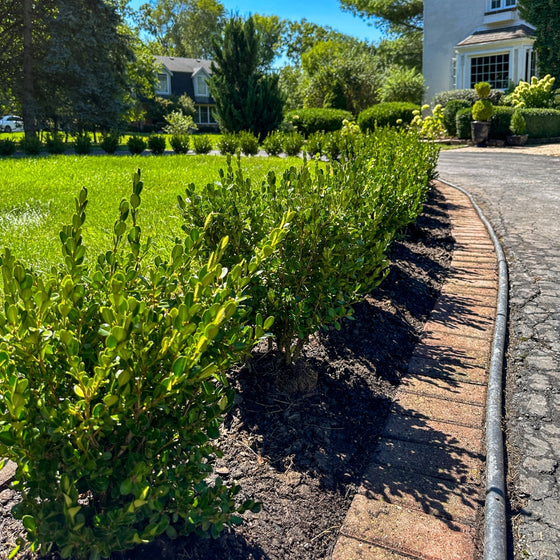
The Core Rules of an Expensive-Looking Garden (On a Budget)
Before specific ideas, you need to understand what actually makes a garden look luxurious.
Rule #1: Fewer Plant Types = More Luxury
Luxury gardens are simple, not crowded.
❌ Cheap-looking:
- Too many plant varieties
- Random colors
- Busy layouts
✅ Expensive-looking:
- Repetition
- Limited color palette
- Clean groupings
Pro Tip: Choose 2–3 plant types and repeat them.
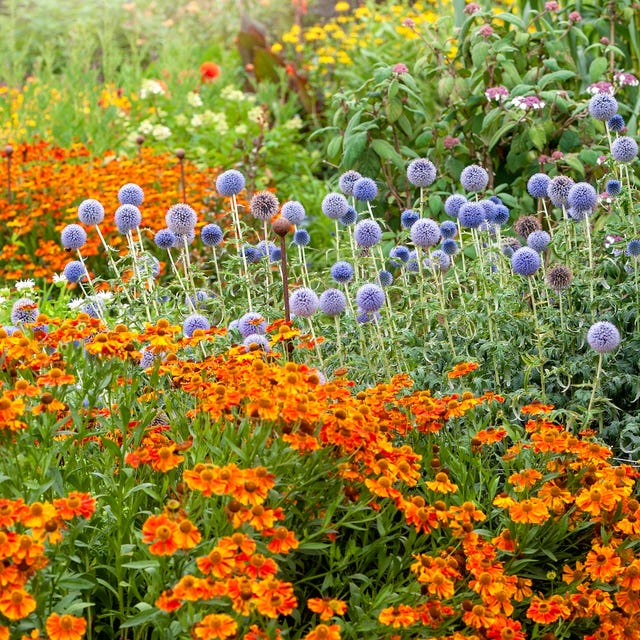
Rule #2: Structure Matters More Than Plants
Designers focus on:
- Shape
- Borders
- Pathways
Even inexpensive plants look high-end when:
- Beds have clean edges
- Shapes are intentional
Rule #3: Neutral Colors Feel Premium
Muted greens, silvers, and soft whites feel:
- Calm
- Timeless
- Upscale
Bright, mixed colors often feel cheaper and harder to maintain.
Rule #4: Negative Space Is Your Friend
Leaving space empty:
- Makes gardens look intentional
- Reduces maintenance
- Highlights focal points
Luxury is often about what you don’t add.
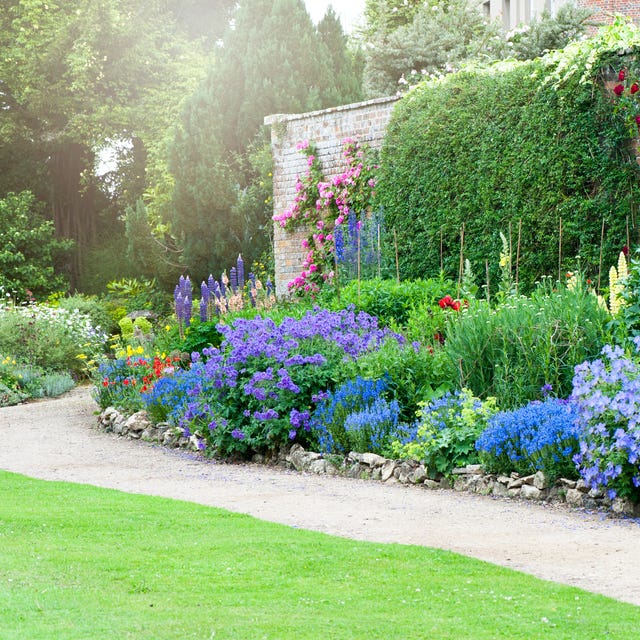
Low-Maintenance Garden Idea #1: Gravel Gardens (Designer Favorite)
Gravel is one of the cheapest ways to elevate a garden.
Why Gravel Looks Expensive
- Clean, modern appearance
- Used in European gardens
- Highlights plant shapes
Why It’s Low-Maintenance
- No mowing
- Excellent drainage
- Suppresses weeds (with fabric)
Budget Tip
- Use pea gravel or crushed stone
- Install edging for a clean finish
Pinterest users love gravel + greenery contrast.
Low-Maintenance Garden Idea #2: Repetition Planting
Repeating the same plant instantly upgrades any space.
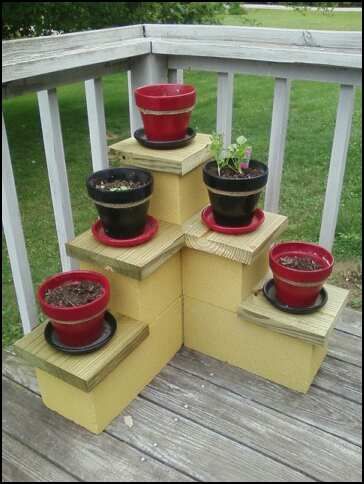
Best Low-Cost Plants to Repeat
- Ornamental grasses
- Lavender
- Boxwood alternatives
- Hostas (for shade)
Why It Works
- Creates rhythm
- Looks planned
- Easier to maintain
Designers use repetition constantly — and it costs nothing extra.
Low-Maintenance Garden Idea #3: Mulch That Looks Like Landscaping Stone
Dark mulch mimics the look of:
- Rich soil
- Professional landscaping
Choose:
- Black or dark brown mulch
Avoid:
- Bright red mulch (looks cheap)
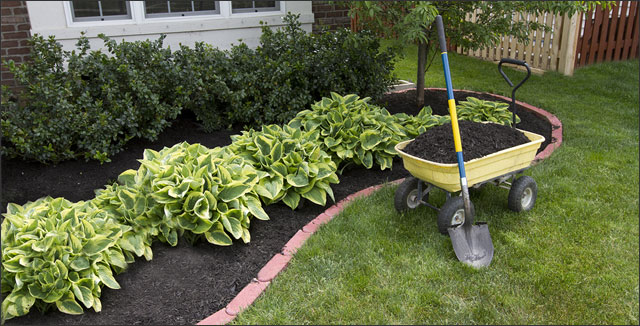
Mulch:
- Retains moisture
- Reduces weeds
- Makes plants stand out
This is one of the highest ROI garden upgrades.
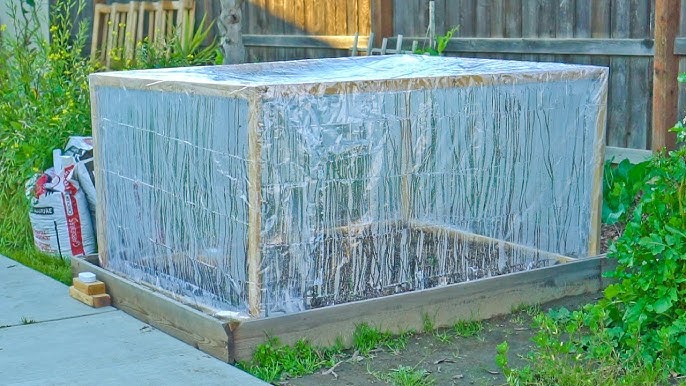
Low-Maintenance Garden Idea #4: Defined Edges (Instant Upgrade)
Nothing screams “DIY” like messy edges.
Cheap Edge Solutions
- Metal edging
- Brick (salvaged or reused)
- Stone borders
Why Edging Looks Expensive
- Creates clean lines
- Separates spaces visually
- Mimics professional installs
Clean edges = luxury appearance.
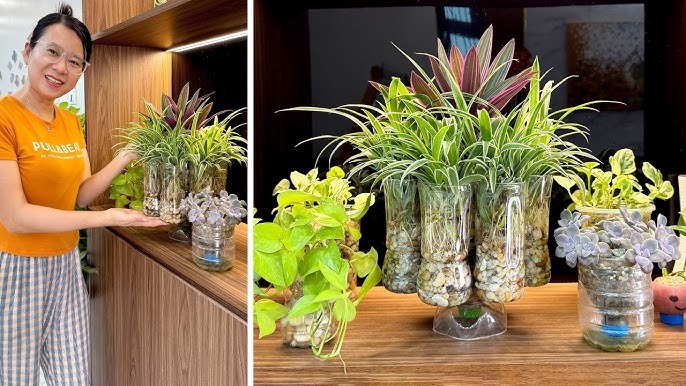
Low-Maintenance Garden Idea #5: Evergreens for Year-Round Structure
Evergreens are the backbone of designer gardens.
Best Low-Maintenance Options
- Boxwood substitutes
- Juniper
- Yew
- Dwarf pine
Why Designers Love Them
- Look good all year
- Minimal pruning
- Provide structure
They make even small gardens feel intentional.
Why These Ideas Work So Well on Pinterest
They combine:
- 💰 Budget-friendly appeal
- 🌿 Low-effort maintenance
- 🏡 High-end visual results
Pinterest users save ideas that feel:
- Achievable
- Timeless
- Stress-free
Low-Maintenance Garden Idea #6: Symmetry (Free but Powerful)
Symmetry is one of the cheapest design tricks that instantly makes a garden look expensive.
How to Use It
- Place matching plants on both sides of a path
- Use identical pots in pairs
- Mirror shapes and spacing
Why It Looks Luxe
High-end estates and formal gardens rely heavily on symmetry because it:
- Feels calm and balanced
- Looks intentional
- Photographs beautifully
Best of all — it costs nothing extra.
Low-Maintenance Garden Idea #7: Large Pots Instead of Many Small Ones
Designers always prefer fewer, larger planters.
Why Large Pots Look Expensive
- They feel substantial
- Reduce visual clutter
- Mimic luxury hotel landscaping
Budget Hack
- Buy plain plastic pots
- Spray-paint them matte black, charcoal, or stone
- Group them in odd numbers (3 or 5)
This trick is extremely popular on Pinterest.
Low-Maintenance Garden Idea #8: Ornamental Grasses (Designer Gold)
Ornamental grasses are:
- Cheap
- Hardy
- Low-water
- High-impact
Best Options
- Fountain grass
- Blue fescue
- Maiden grass
Why They Work
- Add movement
- Look modern and upscale
- Need minimal pruning
Grasses are a luxury look without luxury effort.
Low-Maintenance Garden Idea #9: One Statement Plant
Instead of many average plants, designers choose one focal point.
Statement Plant Ideas
- Olive tree
- Japanese maple
- Tall grass clump
- Sculptural shrub
Why This Looks Expensive
Luxury gardens are curated, not crowded.
One strong feature:
- Anchors the space
- Reduces maintenance
- Creates a “designer” feel
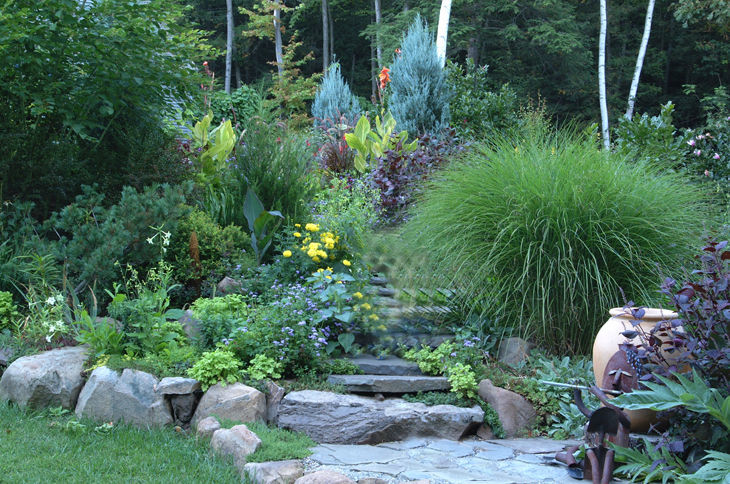
Low-Maintenance Garden Idea #10: Simple Stone or Concrete Stepping Paths
Paths instantly elevate a garden.
Budget Path Options
- Concrete stepping stones
- Salvaged stone
- Large pavers spaced apart
Why Designers Love This Look
- Clean and modern
- Easy DIY
- Reduces lawn maintenance
Add gravel between stones for an even more polished finish.
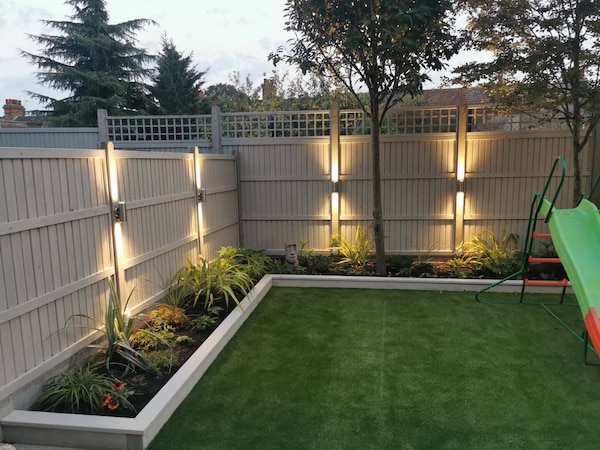
Low-Maintenance Garden Idea #11: Limited Color Palette
Too many colors = visual chaos.
Designer-Approved Palettes
- Green + white
- Green + silver
- Green + soft purple
Why It Works
- Feels calm
- Looks intentional
- Easier to maintain
Pinterest saves increase when gardens feel cohesive.
Low-Maintenance Garden Idea #12: Raised Beds with Clean Lines
Raised beds aren’t just practical — they look expensive.
Budget Materials
- Concrete blocks
- Untreated wood
- Reclaimed bricks
Benefits
- Better soil control
- Fewer weeds
- Clear structure
Keep beds simple and rectangular for a high-end look.
Low-Maintenance Garden Idea #13: Solar Lighting (Subtle, Not Flashy)
Lighting changes everything.
What to Use
- Warm-toned solar lights
- Low-profile path lights
- Hidden uplighting
What to Avoid
- Bright white LEDs
- Over-lighting
Subtle lighting makes even small gardens feel luxurious at night.
Low-Maintenance Garden Idea #14: Ground Covers Instead of Grass
Grass is high-maintenance and expensive over time.
Low-Cost Ground Covers
- Creeping thyme
- Clover
- Sedum
Why Designers Prefer Them
- No mowing
- Less water
- Softer, natural look
They’re also great for drought-prone areas.
Low-Maintenance Garden Idea #15: Reuse & Reframe Materials
Luxury isn’t about new — it’s about intentional.
Budget Reuse Ideas
- Old bricks for borders
- Wooden pallets for planters
- Leftover tiles as stepping stones
When reused consistently, these materials look curated, not cheap.
Small Garden & Balcony Tips (Pinterest Favorite)
Even tiny spaces can look expensive.
Designer Tricks
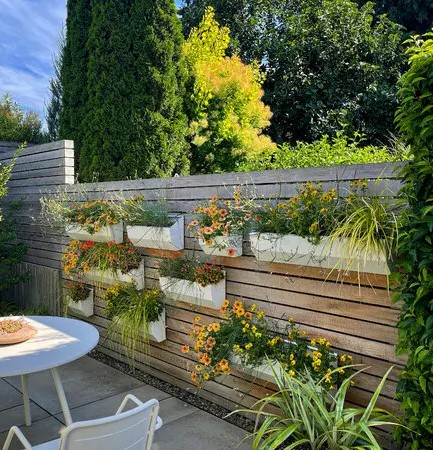
- Vertical planting
- One main focal feature
- Matching pots
- Neutral colors
Small, intentional gardens often outperform large messy ones on Pinterest.
Why These Ideas Feel “High-End” to Viewers
Because they:
- Reduce visual noise
- Emphasize structure
- Feel intentional
- Look timeless
Luxury is less about money — more about restraint.
Zero-Water & Drought-Tolerant Garden Ideas (Ultra Low Maintenance)
Luxury gardens often look effortless because they rely on plants that don’t need constant care.
Idea #16: Mediterranean-Style Planting
Mediterranean gardens are naturally:
- Drought-tolerant
- Minimal
- High-end looking
Best Plants
- Lavender
- Rosemary
- Olive trees
- Thyme
Paired with gravel and stone, this style feels European and upscale.
Idea #17: Native Plants Only (Designer Secret)
Designers quietly rely on native plants.
Why?
- They thrive naturally
- Need less water
- Resist pests
Native gardens look lush without effort — and cost less long-term.
Idea #18: Mulch + Gravel Mix Zones
Instead of planting everything, designers mix:
- Gravel sections
- Mulched beds
- Hardscape
This reduces watering and maintenance while adding visual contrast.
The Cheapest Plants That Always Look Expensive
You don’t need rare species.
Budget Plants Designers Love
- Boxwood alternatives (like holly or euonymus)
- Ornamental grasses
- Lavender
- Hostas (shade gardens)
- Sedum
When planted with repetition and space, these look high-end.
Cheap Garden Materials That Mimic Luxury
Expensive Look → Cheap Alternative
- Natural stone → Concrete pavers
- Designer planters → Painted plastic pots
- Custom paths → Stepping stones + gravel
- Professional lighting → Solar warm lights
Luxury is about illusion, not cost.
Common Garden Mistakes That Make Spaces Look Cheap
Avoid these if you want a designer look.
- Too many plant types
- Bright, clashing colors
- Messy edges
- Overcrowded beds
- High-maintenance lawns
Pinterest audiences instantly spot these mistakes.
How Designers Keep Gardens Low-Maintenance Year-Round
Their Strategy
- Evergreen structure
- Seasonal accents only
- Minimal pruning plants
- Simple layouts
They design for:
“How will this look in 6 months — not just today?”
The “Quiet Luxury” Garden Formula
Use this formula every time:
Structure + Repetition + Neutral Colors + Space
If a garden follows these rules, it will:
- Look expensive
- Require less work
- Age beautifully
Final Checklist: Make Any Garden Look Expensive on a Budget
✔ Limit plant varieties
✔ Add clean edging
✔ Use gravel or mulch
✔ Choose evergreen structure
✔ Repeat plants
✔ Create one focal point
✔ Keep colors neutral
✔ Leave empty space