
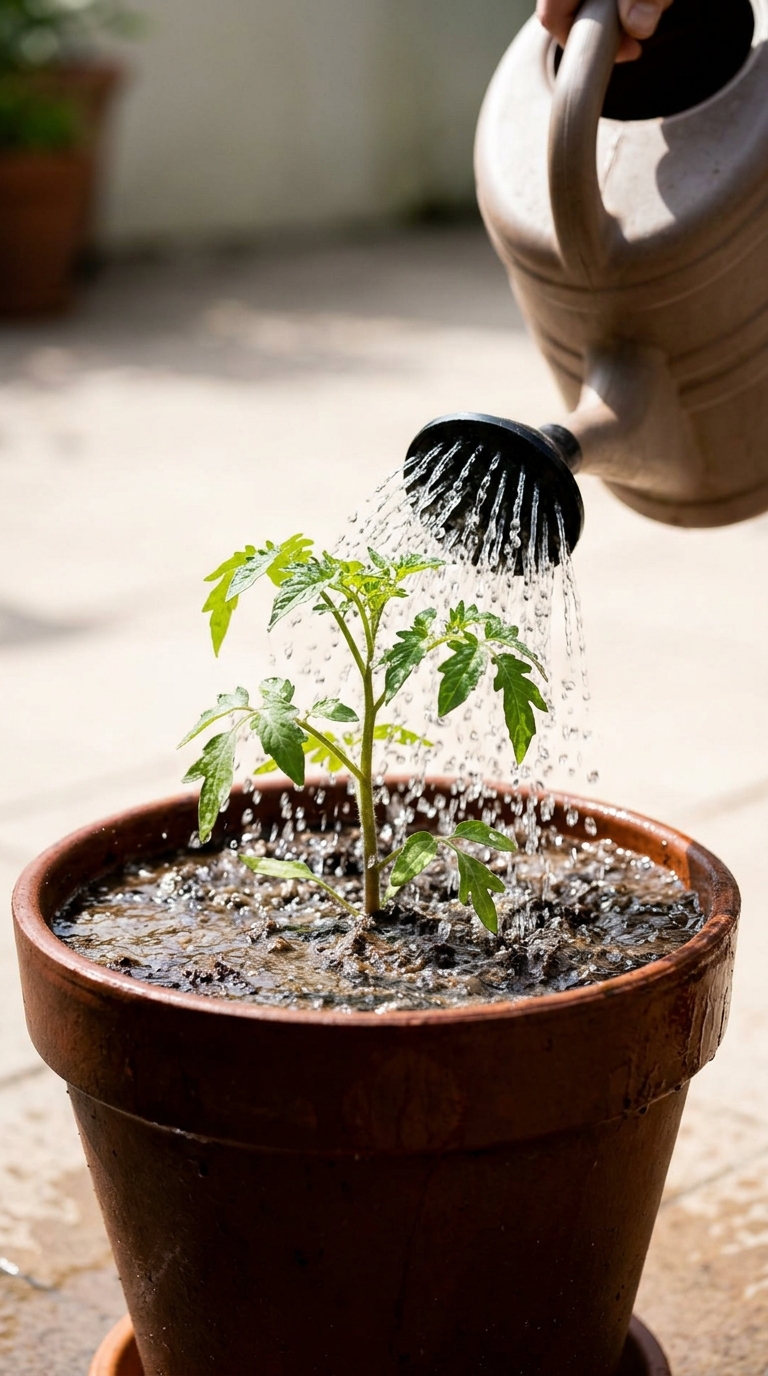
Starting a garden feels exciting… until your plants start turning yellow, wilting, or just flat-out dying—and you have no idea why.
Here’s the truth most beginners don’t realize:
👉 Plants don’t die randomly.
👉 They die because of small, avoidable mistakes.
The good news? Once you know what’s going wrong, fixing it becomes surprisingly simple.
In this guide, we’re breaking down the most common beginner gardening mistakes that silently kill your plants—and exactly how to avoid them. If you’ve struggled to keep plants alive, this might completely change how you garden.
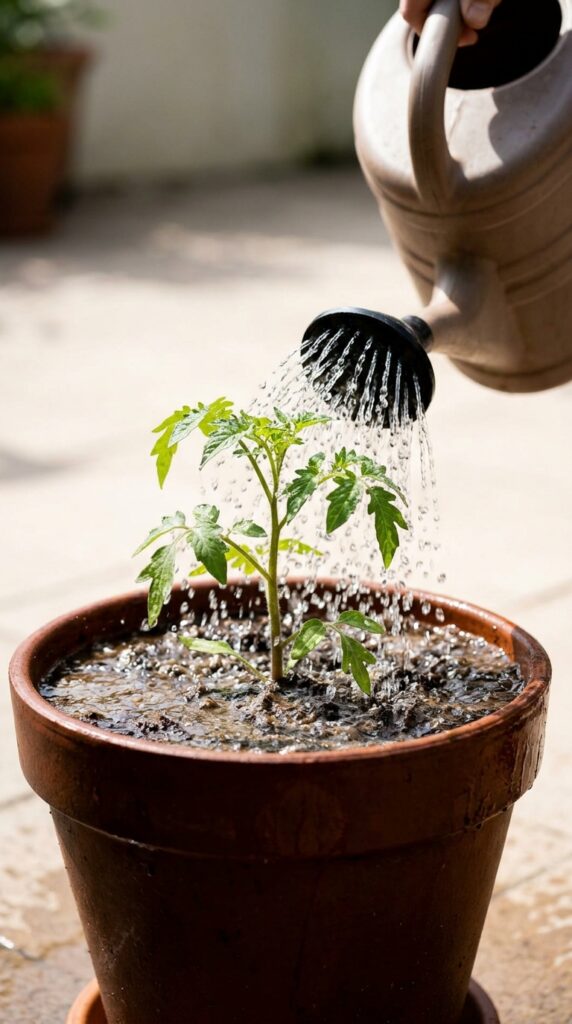
Why Most Beginner Gardens Fail
Before we jump into the mistakes, let’s get one thing straight:
It’s not about having a “green thumb.”
Successful gardening comes down to understanding a few basic principles:
- Light
- Water
- Soil
- Space
- Timing
Mess up any of these—and even the easiest plant can struggle.
Now let’s get into the real mistakes.
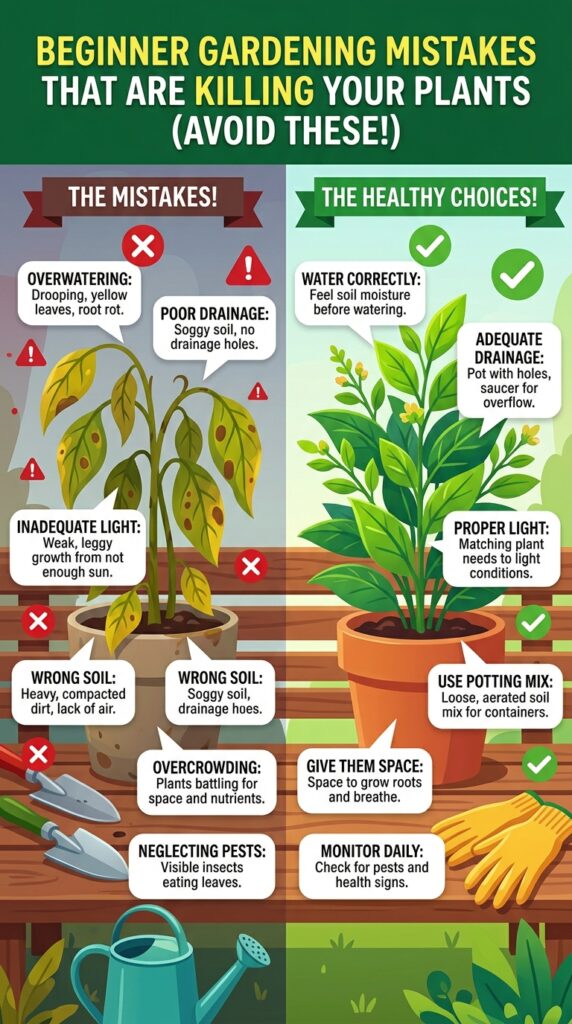
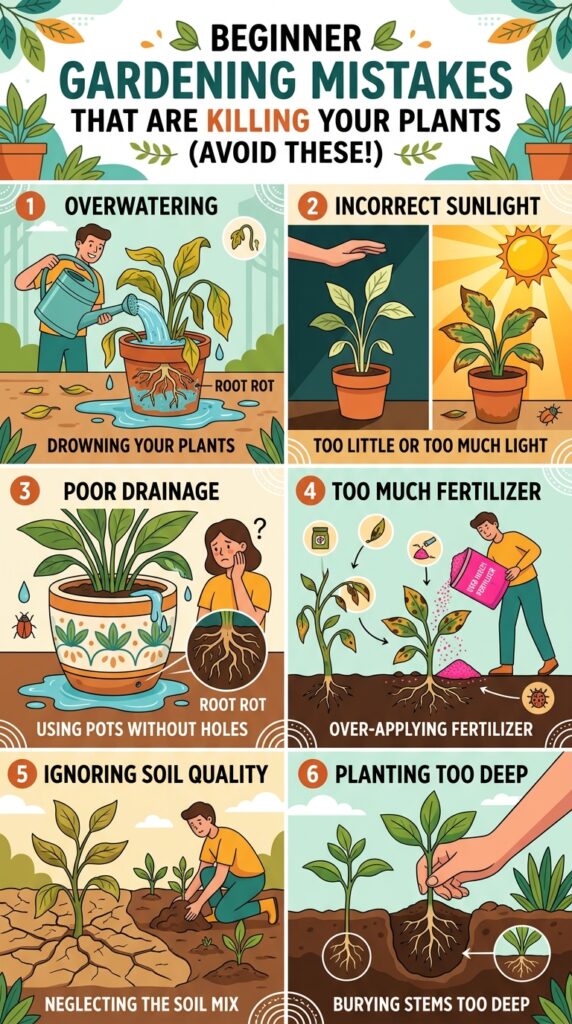
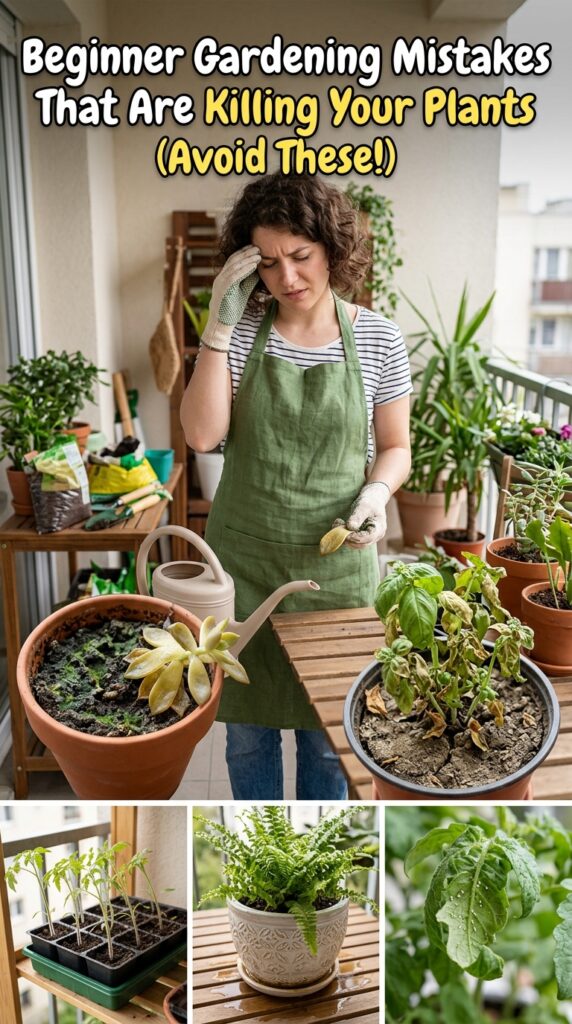
Mistake #1: Overwatering (The #1 Plant Killer)
If there’s one mistake that kills more plants than anything else, it’s this.
What Beginners Do
- Water every day “just to be safe”
- Keep soil constantly wet
- Use pots without drainage holes

What Happens
Roots start to rot because they can’t breathe.
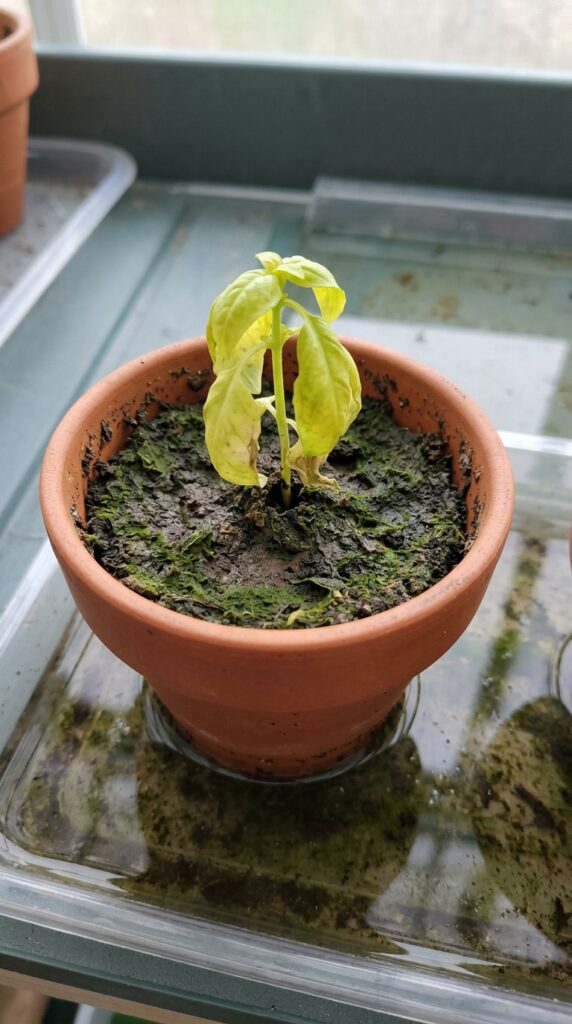
Signs of Overwatering
- Yellow leaves
- Mushy stems
- Mold on soil
- Drooping (even though soil is wet)
How to Fix It
- Only water when the top 1–2 inches of soil are dry
- Always use pots with drainage holes
- Let excess water drain out completely
Pro Tip:
Most plants prefer slightly dry soil over constantly wet soil.
Mistake #2: Underwatering (The Silent Killer)
On the flip side, some beginners forget to water consistently.
Signs
- Dry, crispy leaves
- Soil pulling away from the pot
- Slow growth
Fix
- Water deeply (not just a light sprinkle)
- Stick to a consistent schedule
- Check soil regularly—not just by memory
Mistake #3: Ignoring Sunlight Requirements
Not all plants need the same amount of light.
Common Mistake
Putting all plants in one spot—either full sun or full shade.
What Happens
- Too much sun → scorched leaves
- Too little sun → weak, leggy growth
Solution
Learn your plant’s needs:
- Full sun (6–8 hours)
- Partial sun
- Shade
Quick Tip:
Observe how sunlight moves in your garden throughout the day.
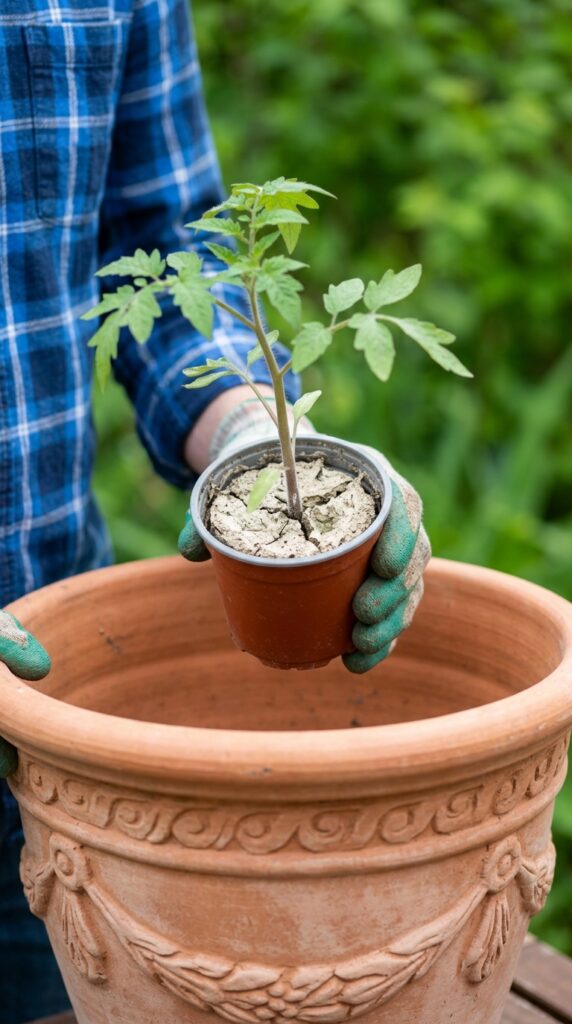
Mistake #4: Using the Wrong Soil
Soil isn’t just dirt—it’s your plant’s entire environment.
Beginner Mistake
Using garden soil everywhere, even in pots.
Why This Fails
- Poor drainage
- Compacted roots
- Lack of nutrients
Fix
- Use potting mix for containers
- Add compost for nutrients
- Improve drainage with sand or perlite
Mistake #5: Planting Too Close Together
It’s tempting to fit as many plants as possible in a small space.
What Happens
- Plants compete for water and nutrients
- Poor air circulation
- Higher risk of disease
Fix
- Follow spacing guidelines on plant labels
- Give roots and leaves room to grow
Mistake #6: Not Understanding Your Climate
What works in one region might fail in another.
Common Issues
- Planting at the wrong time
- Choosing plants that don’t suit your climate
Fix
- Learn your USDA hardiness zone
- Choose plants suited for your region
- Plant according to seasons
Mistake #7: Over-Fertilizing
More fertilizer does NOT mean faster growth.
What Happens
- Burns plant roots
- Causes weak, fast growth
- Can kill plants
Signs
- Brown leaf tips
- Salt buildup on soil
Fix
- Follow recommended amounts
- Use slow-release fertilizers
- Fertilize only when needed
Mistake #8: Ignoring Drainage
Even perfect watering won’t help if water has nowhere to go.
Problem
Water sits at the bottom → root rot
Fix
- Use pots with drainage holes
- Add a layer of gravel if needed
- Avoid waterlogging the soil
Mistake #9: Not Pruning or Trimming
Many beginners are afraid to cut their plants.
Why This Is a Mistake
- Dead leaves drain energy
- Plants become overcrowded
- Growth slows down
Fix
- Remove dead or yellow leaves
- Trim overgrown branches
- Encourage new growth
Mistake #10: Expecting Instant Results
Gardening is not instant—it’s a process.
Beginner Mindset
“If it’s not growing fast, something is wrong.”
Reality
- Plants take time to establish
- Growth depends on seasons
Fix
- Be patient
- Track progress weekly—not daily
Mistake #11: Choosing High-Maintenance Plants First
Some plants are just harder to care for.
Beginner Trap
Buying plants because they look beautiful—not because they’re easy.
Better Approach
Start with beginner-friendly plants like:
- Snake plant
- Pothos
- Marigolds
- Herbs
Mistake #12: Ignoring Pests Until It’s Too Late
Small pest problems can turn into big ones quickly.
Common Pests
- Aphids
- Spider mites
- Whiteflies
Signs
- Holes in leaves
- Sticky residue
- Discoloration
Fix
- Check plants regularly
- Use natural solutions (like neem oil)
- Act early
Mistake #13: Watering Leaves Instead of Roots
Many beginners spray water everywhere.
Problem
- Fungal diseases
- Wasted water
Fix
Water the base of the plant—not the leaves.
Mistake #14: Not Mulching
Mulch is often overlooked—but it’s powerful.
Benefits
- Retains moisture
- Prevents weeds
- Regulates soil temperature
Fix
Add a layer of mulch around plants.
Mistake #15: Giving Up Too Early
This is the biggest mistake of all.
Every gardener kills plants—it’s part of learning.
The difference?
👉 Experienced gardeners learn from it.
👉 Beginners quit.
How to Actually Succeed as a Beginner Gardener
Instead of trying to do everything perfectly, focus on these basics:
The Simple Success Formula
- Right plant
- Right place
- Right amount of water
- Good soil
That’s it.
Quick Beginner Checklist
Before planting anything, ask yourself:
- Does this plant match my sunlight conditions?
- Do I have proper soil?
- Am I watering correctly?
- Is there enough space?
If yes—you’re already ahead of most beginners.
Final Thoughts: Small Fixes = Big Results
Most plant problems don’t require expensive solutions.
They just require awareness.
Once you avoid these common mistakes, you’ll notice:
- Healthier plants
- Faster growth
- Less frustration
- More enjoyment
And suddenly…
👉 Gardening becomes fun instead of stressful.