
If you think you need a big backyard to grow plants, think again.
Vertical gardening has completely changed the game—especially for people living in apartments, condos, or homes with limited outdoor space. Whether you’ve got a tiny balcony, a blank wall, or just a sunny window, you can create a lush, productive garden without ever touching the ground.
And here’s the best part: vertical gardens aren’t just practical—they look amazing. They turn boring spaces into vibrant, living designs that feel straight out of Pinterest.
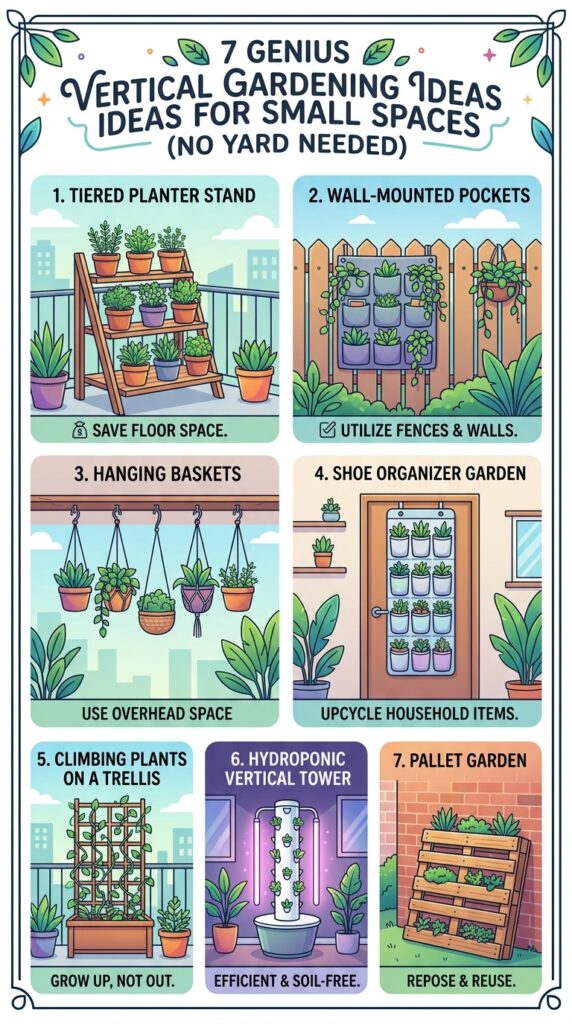
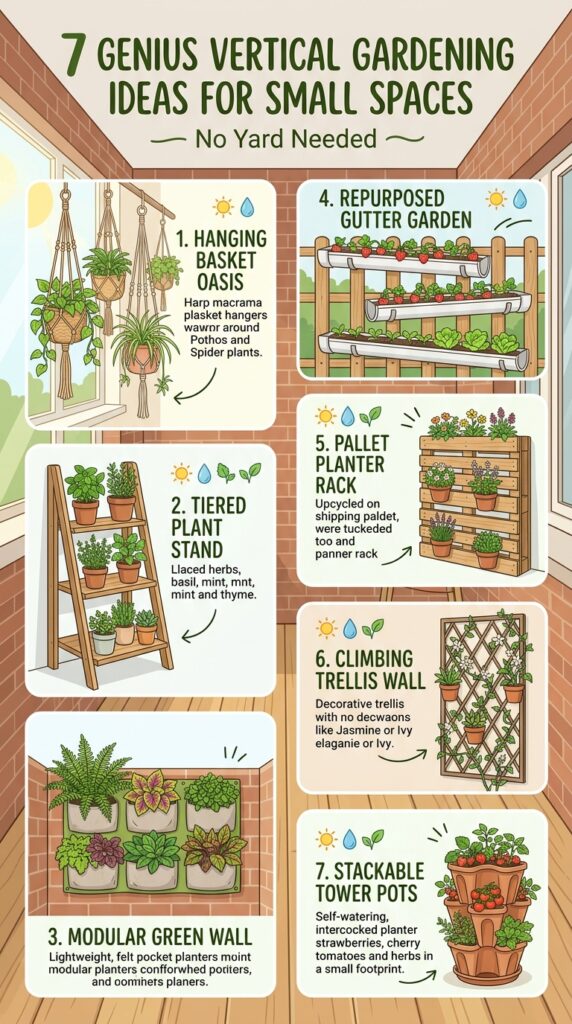
In this guide, we’re diving deep into 7 genius vertical gardening ideas that work beautifully in small spaces. You’ll learn how to build them, what to grow, and how to make them thrive—even if you’re a complete beginner.
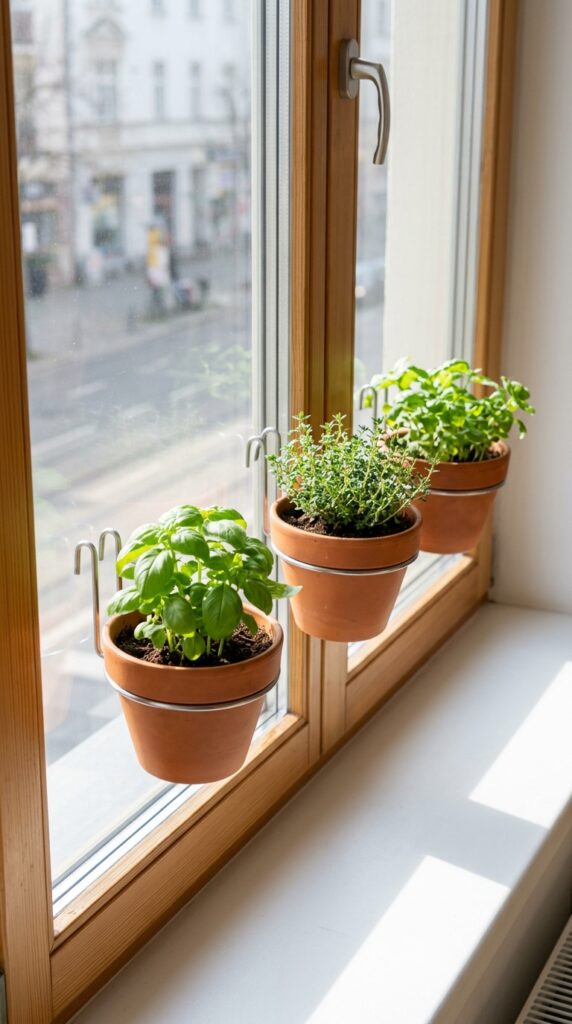
Why Vertical Gardening Is Perfect for Small Spaces
Before we jump into the ideas, let’s quickly talk about why vertical gardening works so well.
When you grow upward instead of outward, you:
- Maximize limited space
- Improve air circulation (healthier plants)
- Reduce pest problems
- Make harvesting easier
- Create a stunning visual feature
It’s not just a gardening trick—it’s a smart design strategy.
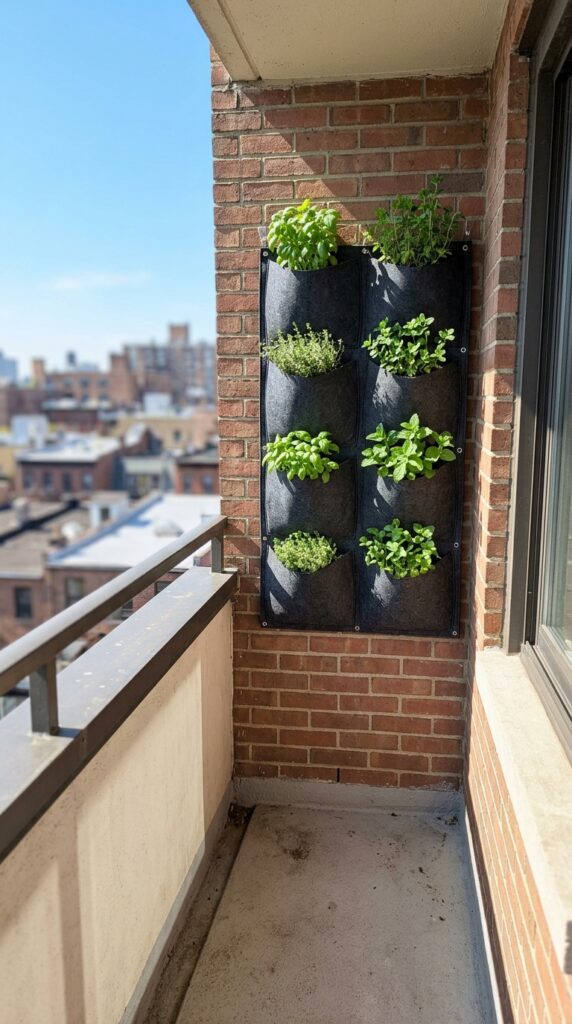
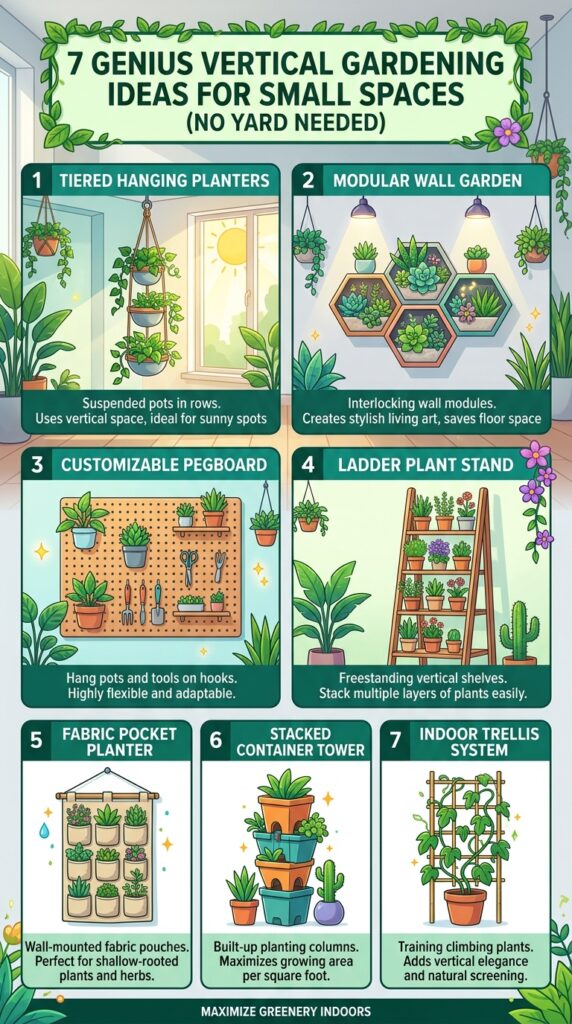
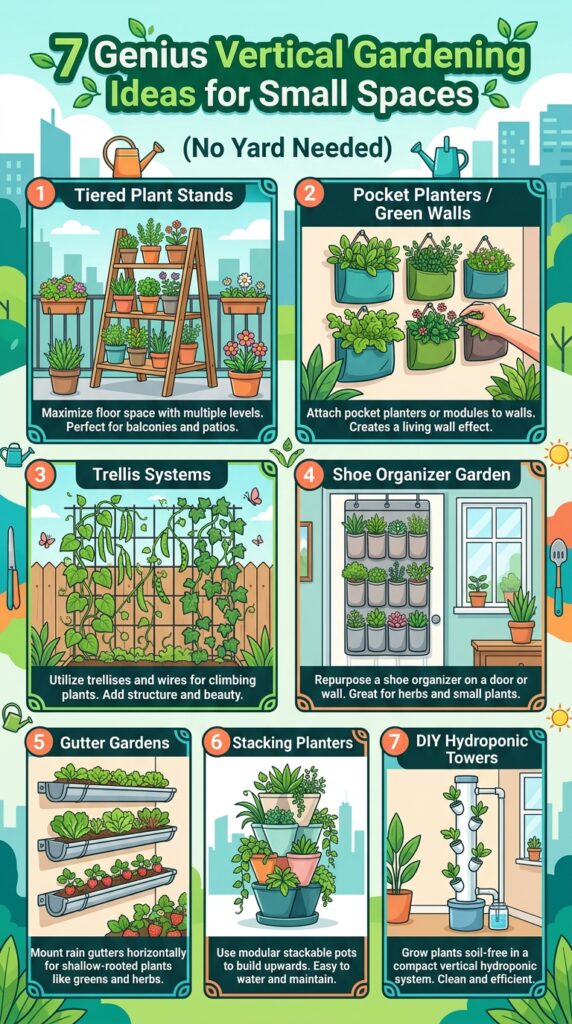
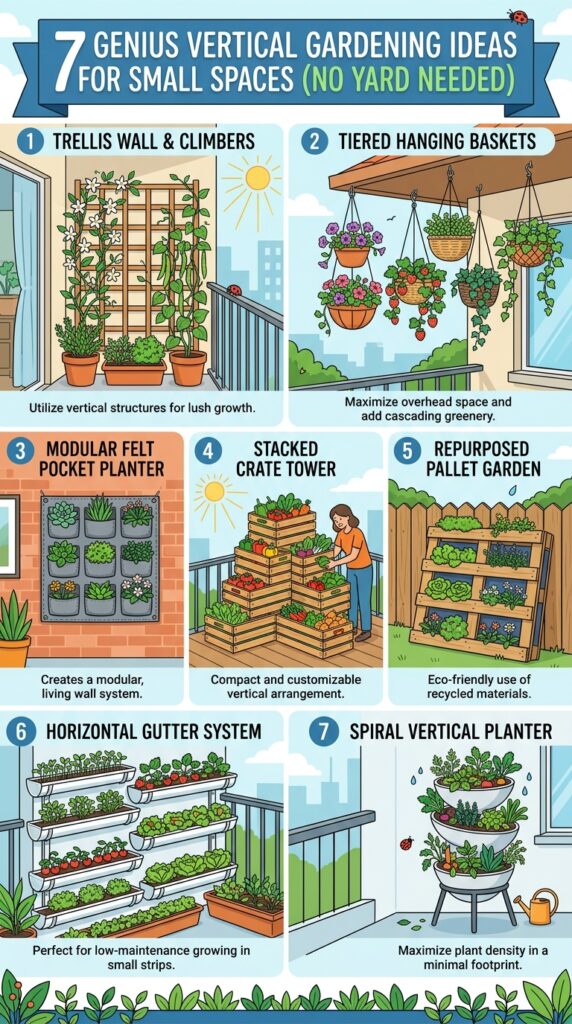
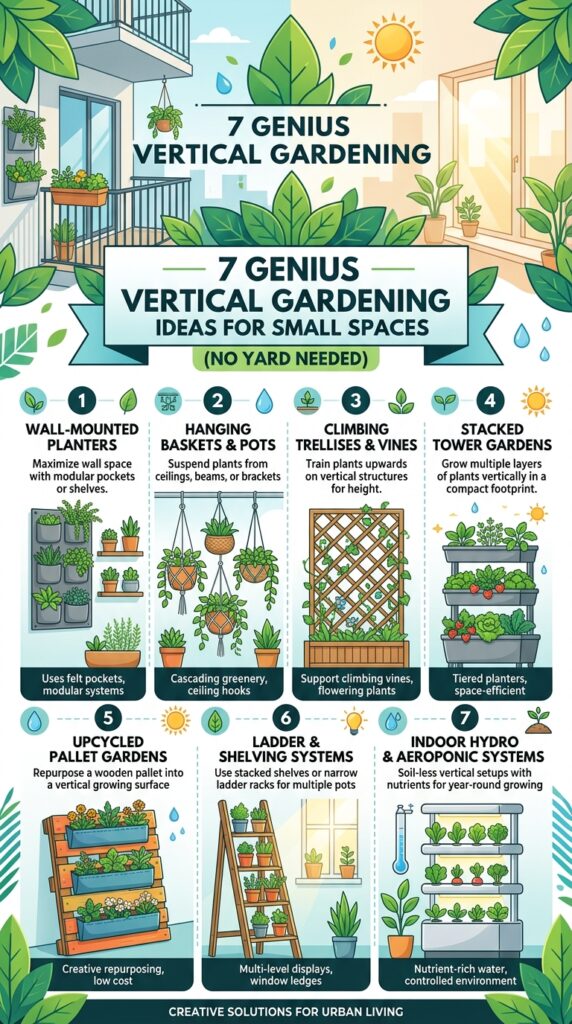
1. Wall-Mounted Planters (Turn Any Wall into a Garden)
If you have an empty wall, you already have a garden waiting to happen.
Wall-mounted planters are one of the easiest and most effective vertical gardening solutions. You can install them indoors or outdoors, depending on your space.
How It Works
Planters are attached directly to the wall using brackets, hooks, or modular systems. You can arrange them in rows, grids, or even artistic patterns.
What to Grow
- Herbs (basil, mint, parsley)
- Leafy greens (lettuce, spinach)
- Small flowers (petunias, pansies)
- Succulents for low maintenance
Pro Tips
- Use lightweight pots to reduce wall strain
- Install near natural light sources
- Add a drip tray or watering system to avoid mess
Why It’s Genius
It turns unused vertical space into a functional garden without taking up any floor area.
2. Hanging Garden (Perfect for Balconies & Windows)
No floor space? No problem.
Hanging gardens use vertical air space, making them ideal for balconies, patios, and even indoor corners.
How It Works
You suspend pots using ropes, chains, or macramé hangers from ceilings, hooks, or rails.
What to Grow
- Strawberries
- Cherry tomatoes
- Herbs
- Trailing plants like pothos or ivy
Pro Tips
- Use strong ceiling anchors
- Choose lightweight soil mix
- Group plants with similar watering needs
Why It’s Genius
You’re literally growing plants in mid-air—zero footprint required.
3. DIY Pallet Garden (Budget-Friendly & Stylish)
Wooden pallets are a vertical gardening goldmine.
They’re cheap (sometimes free), easy to find, and incredibly versatile.
How It Works
You stand a pallet upright, add landscape fabric behind the slats, fill it with soil, and plant directly into the openings.
What to Grow
- Lettuce
- Spinach
- Herbs
- Small flowering plants
Step-by-Step Overview
- Sand and clean the pallet
- Attach landscape fabric to the back
- Fill with soil
- Let it settle for a few days
- Add plants
Pro Tips
- Use heat-treated pallets (avoid chemically treated ones)
- Place against a wall for support
- Water slowly to prevent runoff
Why It’s Genius
It’s affordable, eco-friendly, and gives you a rustic, trendy look.
4. Vertical Tower Garden (High Yield in Tiny Space)
If your goal is to grow more food in less space, this is your best bet.
Vertical tower gardens are designed for maximum efficiency and productivity.
How It Works
Plants grow in stacked layers or pockets around a central column. Some systems use soil, while others are hydroponic.
What to Grow
- Lettuce
- Kale
- Herbs
- Strawberries
Pro Tips
- Rotate the tower regularly for even sunlight
- Use nutrient-rich soil or hydroponic solution
- Keep watering consistent
Why It’s Genius
You can grow dozens of plants in the space of a single pot.
5. Trellis & Climbing Plants (Grow Up, Not Out)
This is one of the oldest tricks in gardening—and still one of the best.
A trellis allows plants to climb vertically, saving space while boosting production.
How It Works
Install a trellis, grid, or mesh against a wall or in a container. Train climbing plants to grow upward.
What to Grow
- Cucumbers
- Beans
- Peas
- Tomatoes
- Climbing roses
Pro Tips
- Use soft ties to guide plants
- Choose compact or dwarf varieties
- Ensure strong support for heavier plants
Why It’s Genius
It transforms natural plant behavior into a space-saving solution.
6. Shoe Organizer Garden (The Viral Hack)
This one went viral for a reason—it’s simple, cheap, and surprisingly effective.
How It Works
Use a hanging shoe organizer with pockets. Fill each pocket with soil and plant herbs or small plants.
Hang it on:
- A door
- A fence
- A wall
What to Grow
- Herbs
- Lettuce
- Strawberries
Pro Tips
- Choose a fabric organizer for better drainage
- Add small holes for extra drainage
- Don’t overwater
Why It’s Genius
It turns an everyday household item into a fully functional garden.
7. Ladder Plant Stand (Stylish + Functional)
If you want something that looks straight out of a home decor magazine, this is it.
How It Works
Use a leaning ladder or tiered stand to place plants at different heights.
What to Grow
- Potted herbs
- Flowers
- Decorative plants
Pro Tips
- Place larger plants on the bottom
- Use matching pots for a clean look
- Position near sunlight
Why It’s Genius
It combines vertical gardening with interior design.
Choosing the Right Plants for Vertical Gardening
Not all plants thrive vertically, so choosing the right ones is key.
Best Plants for Beginners
- Herbs (easy and fast-growing)
- Leafy greens
- Strawberries
Avoid These (At First)
- Large root vegetables
- Heavy fruiting plants without support
- Plants that need deep soil
Light, Water, and Soil: The Basics You Can’t Ignore
Even the best setup won’t work if the basics are off.
Light
Most edible plants need:
- 6–8 hours of sunlight daily
If indoors:
- Use grow lights
Water
Vertical gardens dry out faster.
- Check moisture daily
- Use self-watering systems if possible
Soil
Use lightweight, well-draining potting mix—not garden soil.
Common Mistakes to Avoid
Even smart setups can fail if you overlook these:
- Overcrowding plants
- Ignoring sunlight direction
- Poor drainage
- Using heavy containers on weak supports
- Inconsistent watering
Fix these, and you’re already ahead of most beginners.
How to Make Your Vertical Garden Look Amazing
Want that Pinterest-worthy look? Focus on design.
Simple Design Tricks
- Stick to a color theme
- Mix textures (wood, metal, ceramic)
- Combine trailing and upright plants
- Use symmetry or intentional asymmetry
A vertical garden isn’t just functional—it’s a visual statement.
Indoor vs Outdoor Vertical Gardening
Indoor
Pros:
- Controlled environment
- Year-round growing
Cons:
- Needs good lighting
Outdoor
Pros:
- Natural sunlight
- Better airflow
Cons:
- Weather exposure
Choose based on your lifestyle and space.
Budget vs Premium Setups
You don’t need to spend a lot to start.
Budget Options
- Pallets
- Shoe organizers
- DIY hanging pots
Premium Options
- Modular wall systems
- Hydroponic towers
- Self-watering planters
Start simple, upgrade later.
Final Thoughts: Start Small, Grow Big
Vertical gardening isn’t just a trend—it’s a smarter way to live, especially in small spaces.
You don’t need land. You don’t need a backyard. You just need a little creativity and a willingness to start.
Pick one idea from this list and try it this week.
Because once you see that first plant grow in a space you thought was useless—you’ll never look at your walls the same way again.
Quick Recap
- Use walls, air space, and vertical structures
- Start with easy plants like herbs and greens
- Focus on light, water, and drainage
- Keep design simple but intentional
- Start small and scale up